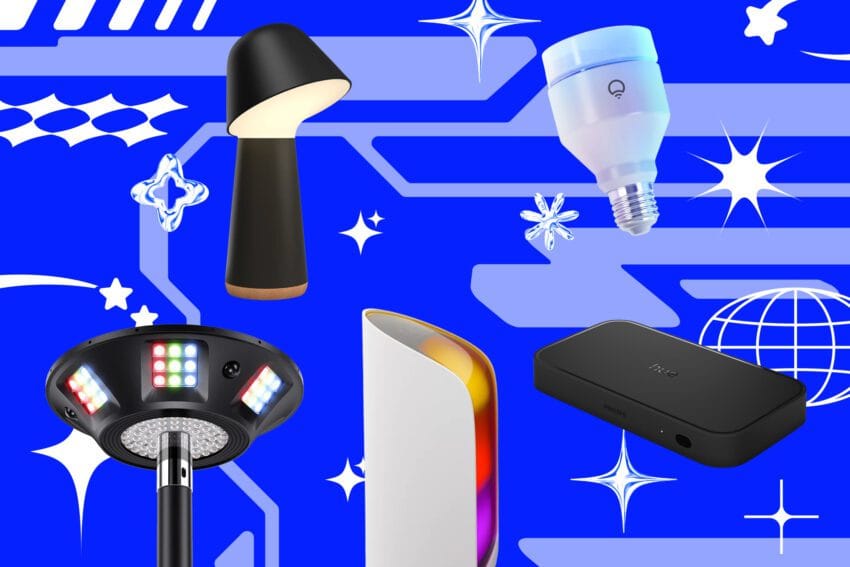
fall into smarter lighting Smart lighting technology is rapidly evolving, offering homeowners an unparalleled level of convenience and customization.
fall into smarter lighting
The Rise of Smart Lighting
Smart lighting has emerged as one of the most transformative upgrades in the smart home landscape. With the ability to control lights through voice commands, mobile apps, or automated schedules, smart lighting systems enhance both functionality and ambiance in residential spaces. This technology allows users to tailor their lighting experience based on personal preferences, time of day, or even specific activities, making it a significant quality-of-life improvement.
Understanding Smart Lighting
At its core, smart lighting refers to lighting solutions that can be controlled remotely or programmed to respond to various triggers. These systems typically consist of smart LED bulbs, fixtures, and accessories, such as smart switches and dimmers. The integration of smart lighting into a home can lead to numerous benefits, including energy savings, enhanced security, and improved mood and productivity.
Key Features of Smart Lighting
- Remote Control: Smart lights can be controlled from anywhere via smartphone apps, allowing users to turn lights on or off, adjust brightness, or change colors even when they are not at home.
- Voice Activation: Many smart lighting systems are compatible with voice assistants like Amazon Alexa, Google Assistant, and Apple’s Siri, enabling hands-free control.
- Automation: Users can set schedules for their lights to turn on or off at specific times, or create scenes that adjust multiple lights to desired settings with a single command.
- Energy Efficiency: Smart LED bulbs consume less energy than traditional incandescent bulbs, leading to lower electricity bills and a reduced carbon footprint.
- Color Customization: Many smart bulbs offer a wide range of colors, allowing users to create different moods or atmospheres in their homes.
The Impact of Matter on Smart Lighting
One of the most significant developments in the smart home industry is the introduction of Matter, a universal connectivity standard designed to improve compatibility among smart devices. Matter aims to simplify the integration of various smart home products, allowing them to work seamlessly together, regardless of the manufacturer. This initiative is particularly beneficial for smart lighting, as it enhances the interoperability of different brands and devices.
Compatibility and Accessibility
The Matter standard is expected to revolutionize how consumers approach smart lighting. Previously, users often faced challenges when trying to integrate products from different manufacturers, leading to frustration and limited functionality. With Matter, smart lighting solutions from various brands can communicate effectively, making it easier for homeowners to mix and match products according to their preferences.
As a result, the costs associated with smart lighting are beginning to decrease. The price of smart LED bulbs, fixtures, and accessories is becoming more accessible, making it an opportune time for homeowners to invest in these technologies. The combination of lower costs and improved compatibility means that consumers can now create a cohesive smart lighting system without breaking the bank.
Benefits of Smart Lighting
Investing in smart lighting provides numerous advantages beyond mere convenience. Here are some of the key benefits:
Energy Savings
Smart lighting systems can significantly reduce energy consumption. By utilizing LED technology, these bulbs consume less power than traditional incandescent or fluorescent bulbs. Additionally, the ability to schedule lights to turn off when not in use or to adjust brightness based on natural light levels further enhances energy efficiency. Over time, these savings can lead to substantial reductions in electricity bills.
Enhanced Security
Smart lighting can also improve home security. Homeowners can program their lights to simulate occupancy by turning on and off at random intervals, deterring potential intruders. Furthermore, many smart lighting systems can be integrated with security cameras and motion sensors, providing an added layer of protection.
Improved Mood and Productivity
The right lighting can have a profound impact on mood and productivity. Smart lighting allows users to adjust the color temperature and brightness of their lights to suit different activities. For instance, cooler, brighter lights can enhance focus and energy during work hours, while warmer, dimmer lights can create a relaxing atmosphere in the evening. This flexibility can lead to improved well-being and a more enjoyable living environment.
Stakeholder Reactions
The introduction of Matter and the growing popularity of smart lighting have garnered attention from various stakeholders in the tech industry. Manufacturers, consumers, and industry experts have expressed optimism about the future of smart lighting solutions.
Manufacturers’ Perspective
Manufacturers are increasingly recognizing the importance of interoperability in the smart home market. Many companies are investing in the development of Matter-compatible products to ensure their offerings remain relevant in a competitive landscape. This shift is likely to lead to a wider variety of smart lighting options for consumers, as more brands participate in the Matter ecosystem.
Consumer Sentiment
Consumers are generally enthusiastic about the potential of smart lighting. As awareness of the benefits grows, more homeowners are considering upgrading their lighting systems. The decreasing costs associated with smart lighting, combined with the ease of integration offered by Matter, are likely to accelerate adoption rates. Consumers appreciate the convenience, energy savings, and enhanced security that smart lighting provides.
Industry Experts’ Insights
Industry experts have noted that the smart lighting market is poised for significant growth in the coming years. As more consumers embrace smart home technologies, the demand for innovative lighting solutions will continue to rise. Experts predict that advancements in artificial intelligence and machine learning will further enhance the capabilities of smart lighting systems, allowing for even greater customization and automation.
Challenges and Considerations
While the benefits of smart lighting are substantial, there are also challenges that consumers should consider before making the switch. Understanding these challenges can help homeowners make informed decisions about their smart lighting investments.
Initial Costs
Although the prices of smart lighting products are decreasing, the initial investment can still be higher than traditional lighting options. Homeowners should weigh the long-term savings against the upfront costs when considering a smart lighting upgrade. Additionally, the need for a compatible hub or bridge to connect various devices may add to the overall expense.
Privacy and Security Concerns
As with any smart home technology, privacy and security are important considerations. Smart lighting systems often require internet connectivity, which can expose users to potential cybersecurity risks. Homeowners should ensure that their networks are secure and consider using strong passwords and two-factor authentication to protect their devices.
Technical Limitations
While Matter aims to improve compatibility among devices, there may still be technical limitations that users encounter. Not all smart lighting products may support the Matter standard initially, and some features may vary between brands. Homeowners should research compatibility before investing in a smart lighting system to ensure a seamless experience.
Conclusion
Smart lighting represents a significant advancement in home automation, offering convenience, energy savings, and enhanced security. With the introduction of Matter, the compatibility and accessibility of smart lighting solutions are improving, making it an ideal time for homeowners to consider upgrading their lighting systems. As the technology continues to evolve, the potential for customization and automation will only increase, promising an even smarter and more efficient future for home lighting.
Source: Original report
Was this helpful?
Explore more: More Consumer Technology Tech News Blog
Last Modified: September 23, 2025 at 5:44 pm
8 views