faa proposal supersonic airliners can fly over A new proposal from the U.S. Federal Aviation Administration (FAA) could potentially lift the long-standing ban on commercial supersonic flights over U.S. cities, contingent upon the aircraft’s ability to mitigate sonic boom impacts.
faa proposal supersonic airliners can fly over
Historical Context of Supersonic Flight Regulations
The FAA’s current proposal marks a significant shift in aviation policy, as it seeks to overturn a ban that has been in place since 1973. The original prohibition was enacted after a series of military tests in the 1960s, which included supersonic flights over major U.S. cities such as Oklahoma City, Chicago, and St. Louis. These tests revealed the disruptive effects of sonic booms, which are shockwaves produced when an aircraft exceeds the speed of sound. The loud, thunderous noise generated by these booms raised concerns about noise pollution and its impact on urban populations.
In response to these concerns, the FAA implemented regulations that effectively grounded supersonic commercial air travel over land. This decision was influenced by public outcry and the desire to protect residential areas from the disruptive noise associated with supersonic flight. As a result, while supersonic military aircraft continued to operate, the commercial aviation sector was left with a significant gap in its offerings, particularly in terms of speed and efficiency.
The Trump Administration’s Influence
The landscape of supersonic flight regulations began to change under the Trump administration, which actively sought to repeal the ban. This push was part of a broader agenda to stimulate innovation in the aviation sector and promote economic growth. On June 6, 2025, President Trump issued an executive order directing the FAA to explore options for allowing supersonic flights over land, emphasizing the need for advancements in technology that could mitigate the noise associated with sonic booms.
This directive set the stage for the FAA’s recent rulemaking action on June 30, 2026, which proposes a new “noise-based” certification standard. This standard aims to allow supersonic flights over U.S. cities, provided that the sonic boom overpressure at the surface remains below 0.11 pounds per square foot. The proposed regulation reflects a significant shift in the FAA’s approach, moving from a blanket ban to a more nuanced framework that considers technological advancements.
Technological Innovations and Their Implications
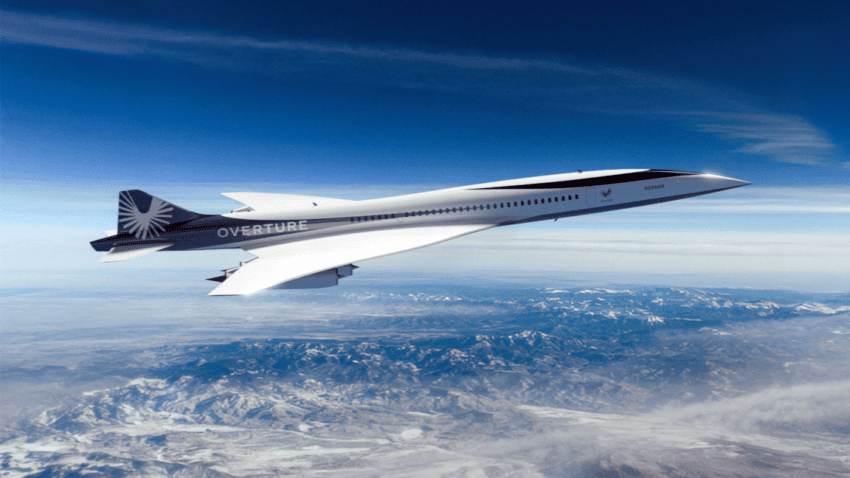
Central to the FAA’s proposal is the notion that advancements in aircraft design and technology can address the noise issues associated with supersonic flight. One of the key players in this space is Boom Supersonic, a Colorado-based startup that has been at the forefront of developing quieter supersonic aircraft. The company has demonstrated the feasibility of “quiet Mach cutoff” flights using its XB-1 aircraft, which is designed to operate at supersonic speeds while minimizing ground-level noise.
The XB-1’s design incorporates specific aerodynamic features and flight techniques that allow it to fly at higher altitudes, where atmospheric conditions can help refract shockwaves upward, away from populated areas. This innovative approach aims to significantly reduce the impact of sonic booms on the ground, making it more acceptable for commercial operations over urban environments.
Potential Benefits of Supersonic Travel
The reintroduction of commercial supersonic flights could have far-reaching implications for the aviation industry and travelers alike. Some of the potential benefits include:
- Reduced Travel Times: Supersonic aircraft can significantly cut flight durations, allowing passengers to reach their destinations faster. This could be particularly advantageous for business travelers and those on tight schedules.
- Increased Economic Opportunities: The revival of supersonic travel could stimulate economic growth by enhancing connectivity between major cities. This could lead to increased tourism, business travel, and trade.
- Technological Advancements: The push for quieter supersonic aircraft may drive further innovations in aviation technology, leading to improvements in fuel efficiency, safety, and overall performance.
Challenges and Concerns
Despite the potential benefits, the proposal to allow supersonic flights over U.S. cities is not without its challenges and concerns. Critics of the initiative have raised several points that warrant consideration:
Environmental Impact
One of the primary concerns surrounding supersonic flight is its environmental impact. While advancements in technology may mitigate noise, questions remain about fuel consumption and emissions associated with supersonic travel. The aviation industry is already under pressure to reduce its carbon footprint, and the introduction of new supersonic aircraft could complicate these efforts.
Public Acceptance
Public opinion will play a crucial role in the acceptance of supersonic flights. Many individuals remain wary of the potential noise pollution and disruptions that could arise from the return of supersonic travel. The FAA will need to engage with communities and stakeholders to address these concerns and ensure that the benefits of supersonic flight are communicated effectively.
Regulatory Oversight
Implementing a new certification standard for supersonic aircraft will require robust regulatory oversight. The FAA will need to establish clear guidelines and criteria to ensure that any new aircraft meet the proposed noise standards. This process may involve extensive testing and evaluation, which could delay the introduction of supersonic flights.
Stakeholder Reactions
The FAA’s proposal has elicited a range of reactions from various stakeholders in the aviation industry. Supporters of the initiative, including aircraft manufacturers and airlines, have expressed enthusiasm about the potential for renewed commercial supersonic travel. They argue that the ability to operate over land could open up new markets and enhance competitiveness.
Conversely, environmental groups and community advocates have voiced concerns about the implications of allowing supersonic flights over populated areas. They emphasize the need for thorough assessments of the environmental impact and the importance of prioritizing sustainable aviation practices.
Conclusion
The FAA’s proposal to lift the ban on commercial supersonic flights over U.S. cities represents a pivotal moment in aviation history. By introducing a new noise-based certification standard, the agency is signaling a willingness to embrace technological advancements while balancing the concerns of communities and environmental advocates. As the aviation industry moves forward, the success of supersonic travel will depend on the ability to address these challenges and foster public acceptance. The coming years will be critical in determining whether supersonic airliners can once again soar over American skies, transforming the way we travel and connect.
Source: Original report
Was this helpful?
Explore more: More General Technology Tech News Blog
Last Modified: July 3, 2026 at 7:36 am
8 views