everyone s a loser in strait of The new game “Bottleneck” immerses players in the complexities of a global crisis triggered by conflict in the Strait of Hormuz, highlighting the difficult choices faced by maritime coordinators.
everyone s a loser in strait of
Overview of the Game
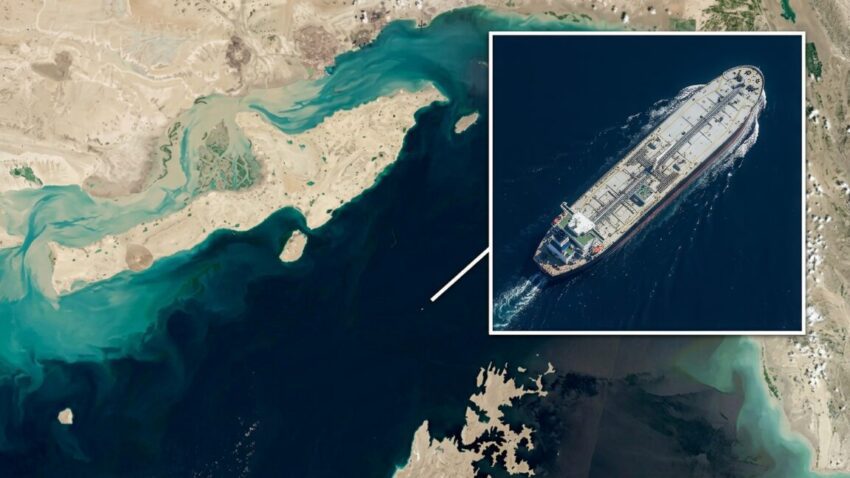
“Bottleneck” is a free, browser-based simulation game that places players in the role of a fictional maritime coordinator tasked with managing the flow of shipping traffic through the strategically vital Strait of Hormuz. This narrow waterway is a critical passage for global oil shipments, and its disruption can have far-reaching implications for economies worldwide. The game draws upon real maritime transit data and news reports to create a dynamic and immersive experience that reflects the ongoing challenges in the region.
Gameplay Mechanics
Players are confronted with the daunting task of selecting a limited number of ships that can pass through the strait each day. With approximately 2,000 vessels trapped in and around the area, the decisions players make are fraught with consequences. Each choice involves weighing various factors, including geopolitical tensions, economic ramifications, and humanitarian crises.
- Economic Costs: Players must consider the toll imposed by the Iranian government, which claims authority over the strait. Paying this toll may allow certain ships to pass, but it could also provoke backlash from the United States and its allies.
- Geopolitical Tensions: Each decision can escalate tensions between Iran and the U.S., potentially leading to wider conflict. Players must navigate these treacherous waters carefully, balancing the need for oil shipments against the risk of military confrontation.
- Humanitarian Implications: Failing to prioritize specific shipments can result in crises related to food and water security. The game emphasizes the real-world consequences of these decisions, including the potential for famine in various countries.
Real-World Context
The Strait of Hormuz is one of the most critical chokepoints for global oil transportation, with approximately 20% of the world’s oil passing through it. The ongoing geopolitical tensions in the region, particularly between Iran and the United States, have raised concerns about the stability of oil supplies and the potential for conflict. The game “Bottleneck” serves as a poignant reminder of the delicate balance of power in this region and the far-reaching consequences of decisions made by those in authority.
Developer Insights
Jakub Gornicki, the journalist and artist behind “Bottleneck,” has articulated the game’s underlying philosophy. He emphasizes that the game does not simply challenge players to find a solution to the crisis but rather forces them to confront the inherent costs of their decisions. “The game does not ask whether you are smart enough to solve the crisis,” Gornicki stated. “It asks what kind of damage you choose when every option has a cost.” This perspective encourages players to engage with the moral and ethical dimensions of crisis management.
Educational Value
“Bottleneck” is not just a game; it serves as an educational tool that highlights the complexities of global crises. By simulating real-world scenarios, the game fosters a deeper understanding of the interconnectedness of global trade, politics, and humanitarian issues. Players are encouraged to think critically about the consequences of their actions, making it a valuable resource for educators and students alike.
Implications of the Game
The implications of “Bottleneck” extend beyond entertainment; they touch on significant global issues that affect millions of lives. The game raises awareness about the fragility of global supply chains and the potential for conflict in geopolitically sensitive areas. As players navigate the challenges presented in the game, they are reminded of the real-world stakes involved in maritime logistics and international relations.
Reactions from Stakeholders
The release of “Bottleneck” has garnered attention from various stakeholders, including educators, policymakers, and gamers. Many have praised the game for its innovative approach to simulating complex global issues.
- Educators: Teachers have expressed interest in incorporating the game into their curricula to help students understand the complexities of global trade and crisis management. The game’s realistic scenarios provide a platform for discussions about ethics, decision-making, and the consequences of actions.
- Policymakers: Some policymakers have noted the game’s potential to inform public discourse about energy security and geopolitical tensions. By engaging with the game’s scenarios, players may gain insights into the challenges faced by decision-makers in real-life situations.
- Gamers: The gaming community has responded positively to “Bottleneck,” appreciating its unique blend of strategy and realism. Many players have shared their experiences on social media, discussing the difficult choices they faced and the moral dilemmas presented in the game.
Conclusion
“Bottleneck” serves as a compelling simulation of the complexities surrounding the Strait of Hormuz and the global energy crisis. By placing players in the role of a maritime coordinator, the game challenges them to make difficult decisions that carry significant consequences. As players navigate the intricacies of geopolitical tensions, economic costs, and humanitarian crises, they gain a deeper understanding of the real-world implications of their choices.
In an era where global crises are increasingly intertwined, “Bottleneck” offers a unique perspective on the challenges faced by those in positions of authority. The game not only entertains but also educates, fostering critical thinking and awareness of the complexities of international relations. As players grapple with the moral and ethical dimensions of crisis management, they are reminded that in the world of “Bottleneck,” everyone is a loser when it comes to the costs of conflict.
Source: Original report
Was this helpful?
Explore more: More Gaming Tech News Blog
Last Modified: May 8, 2026 at 6:36 pm
11 views