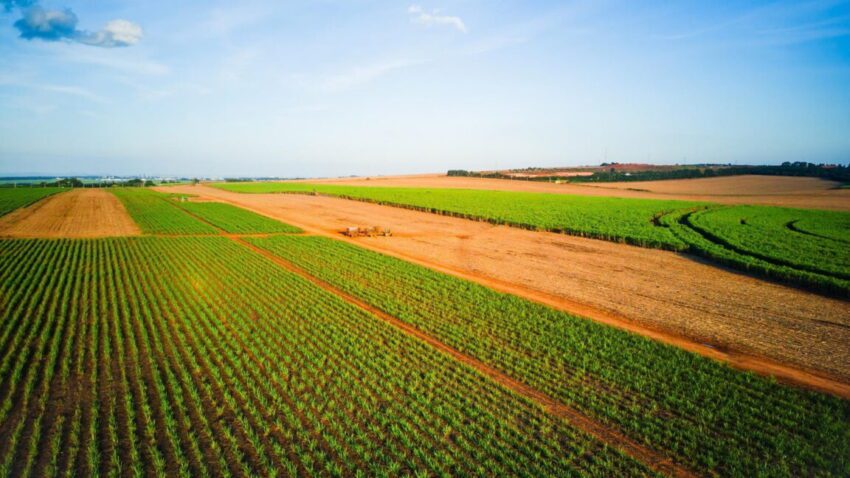
everyone pays the price as patent holders The U.S. seed industry is facing significant challenges as a result of stringent patent laws that allow a handful of corporations to dominate the market, stifling competition and innovation.
everyone pays the price as patent holders
Patent Laws and Market Control
The United States stands out as one of the few countries that permits companies to hold patents on plant varieties. This legal framework has led to a concentration of power within the seed industry, where a small number of corporations control a vast majority of the market. According to the U.S. Department of Agriculture (USDA), two companies alone dominate over 70% of the corn and soybean seed sales in the country. Furthermore, the top four cottonseed companies account for nearly 94% of that market. This concentration raises concerns about the implications for farmers, consumers, and the agricultural sector as a whole.
The Impact on Farmers
Farmers are often caught in a challenging position due to the monopolistic practices of these corporations. With limited options for seed varieties, farmers may find themselves reliant on a few major suppliers. This reliance can lead to increased costs for seeds, which are often passed down to consumers in the form of higher food prices. Moreover, the lack of competition can stifle innovation in seed development, which is crucial for addressing challenges such as climate change, pests, and diseases.
Additionally, the high costs associated with patented seeds can deter small-scale farmers from entering the market or expanding their operations. Many farmers are forced to purchase seeds each season rather than saving seeds from their harvests, a practice that has been common for generations. This not only increases their operational costs but also limits their ability to cultivate diverse crops that could be more resilient to changing environmental conditions.
Legal Challenges and Government Intervention
The issue of seed patents has not gone unnoticed by government entities. In May 2026, the Department of Justice (DOJ) filed a statement in a legal dispute between two U.S. seed companies, highlighting the detrimental effects of seed patents on competition and research within the agricultural industry. The DOJ’s involvement underscores the growing concern that the current patent system is not only hindering innovation but also creating an uneven playing field for smaller companies and independent researchers.
In its filing, the DOJ pointed out that the existing patent laws allow these corporations to maintain control over seed varieties, effectively shutting out smaller competitors who may have innovative solutions to offer. This legal framework has led to a situation where the interests of a few corporations take precedence over the broader needs of the agricultural community and society at large.
Innovation Stifled by Corporate Control
The concentration of power in the seed industry has significant implications for innovation. With limited competition, there is less incentive for companies to invest in research and development of new seed varieties. This stagnation can have far-reaching consequences, particularly as the agricultural sector faces increasing pressures from climate change, population growth, and the need for sustainable farming practices.
The Role of Research Institutions
Research institutions and universities play a crucial role in developing new agricultural technologies and seed varieties. However, the restrictive nature of seed patents can hinder their ability to conduct research effectively. When patents are held by a few corporations, researchers may find it challenging to access the genetic materials they need to develop new varieties. This can lead to a lack of diversity in the seed market and limit the options available to farmers.
Moreover, the high costs associated with patented seeds can discourage collaboration between research institutions and smaller seed companies. In many cases, these smaller entities may lack the resources to navigate the complex patent landscape, further exacerbating the issue of innovation stagnation.
Global Implications
The implications of the U.S. seed patent system extend beyond national borders. As the U.S. is a major player in the global agricultural market, the practices adopted here can influence seed patent laws and agricultural policies in other countries. Many developing nations look to the U.S. for guidance on agricultural innovation and technology transfer. If the U.S. continues to prioritize corporate interests over the needs of farmers and researchers, it may set a precedent that could hinder agricultural development worldwide.
Additionally, the concentration of seed patents in the hands of a few corporations can lead to a homogenization of crops, which poses risks to food security. A lack of genetic diversity can make crops more susceptible to pests, diseases, and changing climate conditions. This is particularly concerning as the world grapples with the challenges posed by climate change and the need for sustainable agricultural practices.
Stakeholder Reactions
The ongoing debate surrounding seed patents has elicited a range of responses from various stakeholders, including farmers, agricultural organizations, and policymakers. Many farmers have voiced their concerns about the rising costs of seeds and the lack of options available to them. Organizations advocating for agricultural reform have called for a reevaluation of the current patent system to promote competition and innovation.
Farmers’ Perspectives
Farmers have expressed frustration over the increasing costs associated with patented seeds. Many have reported that they are forced to purchase new seeds each year, rather than saving seeds from their harvests. This practice not only increases their operational costs but also limits their ability to cultivate diverse crops that could be more resilient to changing environmental conditions. The sentiment among farmers is that the current patent system favors large corporations at their expense.
Advocacy Groups and Policy Recommendations
Advocacy groups have been vocal in calling for reforms to the seed patent system. They argue that a more equitable approach would promote competition and innovation, ultimately benefiting farmers and consumers alike. Some recommendations include:
- Implementing policies that encourage the sharing of genetic resources among researchers and seed companies.
- Revising patent laws to allow for greater access to seed varieties for research and development purposes.
- Encouraging public-private partnerships to foster innovation in the seed industry.
These recommendations aim to create a more balanced seed market that prioritizes the needs of farmers and promotes sustainable agricultural practices.
The Future of the Seed Industry
The future of the seed industry hinges on the ability to strike a balance between protecting intellectual property and fostering innovation. As the agricultural sector faces unprecedented challenges, it is crucial to reevaluate the current patent system to ensure that it serves the interests of all stakeholders, including farmers, researchers, and consumers.
In conclusion, the concentration of seed patents in the hands of a few corporations poses significant challenges for the agricultural industry. The implications for farmers, innovation, and global food security are profound. As stakeholders continue to advocate for reform, it remains to be seen how the U.S. will address these pressing issues and what impact it will have on the future of agriculture.
Source: Original report
Was this helpful?
Explore more: More General Technology Tech News Blog
Last Modified: June 23, 2026 at 8:35 pm
8 views