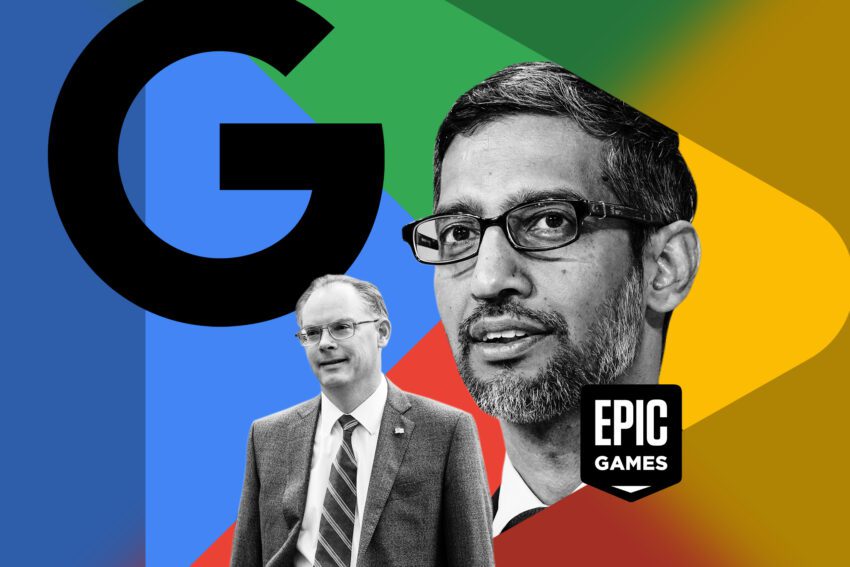
epic and google agree to settle their Epic Games and Google have reached a significant settlement that could reshape the future of the Android ecosystem and enhance competition in the app marketplace.
epic and google agree to settle their
Background of the Lawsuit
The legal battle between Epic Games and Google began in August 2020 when Epic introduced a direct payment system in its popular game, Fortnite, circumventing Google Play’s billing system. This move led to Epic being removed from the Google Play Store, prompting the company to file a lawsuit against Google. Epic accused the tech giant of monopolistic practices, claiming that Google was unfairly tying its app store to its payment system, thereby stifling competition.
In a notable ruling, Judge James Donato issued a permanent injunction requiring Google to allow rival app stores within its Google Play Store. This injunction aimed to restore competition in the Android marketplace by enabling developers to offer alternative payment methods and app distribution channels. However, the initial ruling applied only to the United States and was set to last for three years, leaving many questions about its global implications.
The Settlement Agreement
On a pivotal Tuesday evening, both parties announced a settlement agreement that could extend the benefits of the initial ruling beyond U.S. borders. If approved by Judge Donato, the settlement would introduce significant changes to the Android operating system and the Google Play Store, potentially altering the landscape for app developers and consumers alike.
Key Changes to Google Play Fees
One of the most impactful aspects of the settlement is Google’s agreement to reduce its standard fee structure. Under the new proposal, Google will charge a fee of either 20% or 9%, depending on the type of transaction. This marks a significant reduction from the previous standard fee of 30% for many developers.
Google’s spokesperson, Dan Jackson, confirmed that this new fee structure aims to provide developers with more flexibility. For example, a 20% fee will apply to in-app purchases that provide “more than a de minimis gameplay advantage,” while a 9% fee will apply to transactions that do not fall into that category. This tiered approach appears to be tailored to the needs of game developers like Epic Games, who often rely on in-app purchases to drive revenue.
Alternative App Stores and Payment Systems
Another significant change is the introduction of a new program in the upcoming version of Android that will allow alternative app stores to register with Google. This initiative aims to elevate these stores to “first-class citizens,” making it easier for users to install them. The proposal also includes provisions for “Registered App Stores” to operate globally, not just within the United States, through June 2032.
Epic CEO Tim Sweeney expressed optimism about the settlement, stating that it aligns with the original vision of Android as an open platform. He emphasized that the changes would streamline the installation of competing app stores and reduce service fees for developers using Google Play.
Implications for Developers and Users
Should Judge Donato approve the settlement, the implications for developers could be profound. The reduction in fees may encourage more developers to enter the Android ecosystem, fostering a more competitive environment. Additionally, the ability to offer alternative payment systems alongside Google Play Billing could empower developers to set their own prices, potentially leading to lower costs for consumers.
However, the proposal does stipulate that Google may still charge fees on transactions processed through alternative payment systems. While it appears that developers would not have to pay a billing fee to Google if users choose an alternative payment method, the specifics of how these fees would be assessed remain somewhat unclear. The proposal suggests that Google could still receive a cut if a user clicks through to a developer’s website to make a purchase within 24 hours.
Addressing User Concerns
One of the longstanding criticisms of app stores, including Google Play, has been the friction involved in sideloading alternative app stores. Epic has argued that the “scare screens” and barriers to entry discourage users from exploring alternative options. The proposed settlement aims to address this issue by allowing users to install a Registered App Store from a website with a single click, using neutral language to minimize confusion.
This change could significantly lower the barriers for users looking to explore alternative app stores, potentially leading to a more diverse app ecosystem. By simplifying the installation process, Google may encourage users to consider options beyond the Google Play Store, thereby enhancing competition.
Future of the Android Ecosystem
The settlement agreement is poised to have far-reaching effects on the Android ecosystem. If approved, it could lead to a more open and competitive environment for app distribution and payment processing. This shift may not only benefit developers and consumers but could also ripple across the industry, influencing the practices of other major players like Apple, Sony, Microsoft, Nintendo, and Valve.
As the tech landscape evolves, the implications of this settlement extend beyond just Epic and Google. The changes could set a precedent for how app stores operate globally, challenging existing norms and potentially leading to a more equitable marketplace for developers and users alike.
Reactions from Stakeholders
The reactions to the settlement have been mixed. While Epic Games and Google have expressed optimism about the proposed changes, industry observers remain cautious. Some analysts suggest that while the settlement may offer immediate benefits, the long-term effects on competition and developer relations will depend on how effectively the changes are implemented.
Moreover, the settlement raises questions about how other app stores and platforms will respond. If Google successfully reduces its fees and opens up the Android ecosystem, will Apple follow suit? The competitive pressure could force other companies to reevaluate their own app store policies, potentially leading to a broader shift in the industry.
Next Steps
Both Epic Games and Google are scheduled to discuss the proposed settlement with Judge Donato on November 6th. The outcome of this discussion will determine whether the settlement is approved and how quickly the proposed changes can be implemented. If the judge gives the green light, the modifications could take effect with the next major release of Android, paving the way for a more competitive app marketplace.
As the tech industry watches closely, the implications of this settlement could reverberate for years to come. The potential for lower fees, increased competition, and a more open platform could reshape the dynamics of app distribution and payment processing, benefiting developers and consumers alike.
Source: Original report
Was this helpful?
Explore more: More Big Tech & Platforms Tech News Blog
Last Modified: November 5, 2025 at 11:36 am
14 views