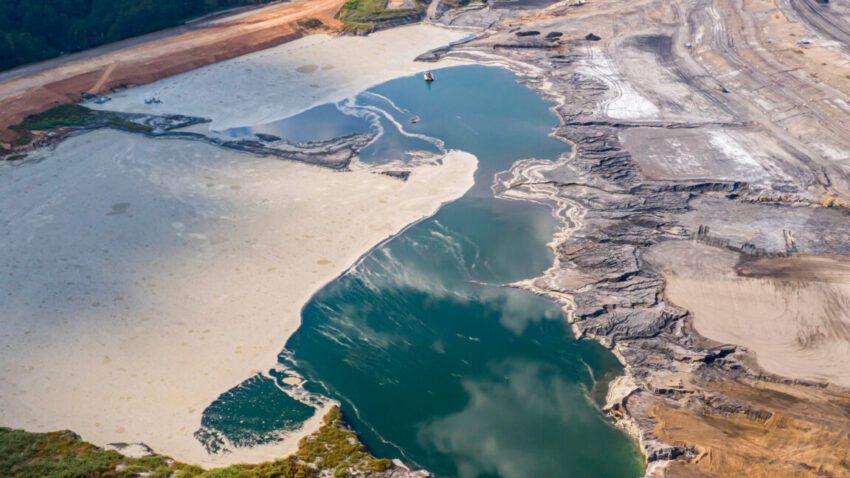
environmentalists turn out in force to oppose Environmental advocates are mobilizing against proposed regulatory rollbacks concerning coal ash management, highlighting significant concerns regarding public health and environmental safety.
environmentalists turn out in force to oppose
Background on Coal Ash Regulations
Coal ash, a byproduct of burning coal for electricity, contains hazardous materials such as arsenic, lead, and mercury. These toxic substances pose serious risks to both human health and the environment. The management of coal ash has been a contentious issue for years, particularly as the energy landscape shifts towards cleaner alternatives. In 2015, the Environmental Protection Agency (EPA) established the first federal regulations governing the disposal of coal ash, aiming to protect groundwater and public health. However, the Trump administration’s recent proposals to roll back these regulations have reignited debates over environmental protections.
The 2024 Regulations
In 2024, under the Biden administration, the EPA introduced stricter regulations requiring utilities to monitor coal ash sites at inactive coal plants. This rule was designed to ensure that utilities took responsibility for the management of coal ash and its potential impact on surrounding communities. The regulations mandated regular assessments of groundwater quality and required utilities to take corrective actions if contaminants were detected. The intent was to safeguard drinking water supplies and mitigate the risks associated with coal ash contamination.
Trump Administration’s Proposed Rollbacks
In April 2026, the Trump administration announced its intention to repeal these regulations. The proposed changes would significantly weaken the requirements for monitoring and cleaning up coal ash sites. Instead of federal oversight, the Trump EPA plans to delegate monitoring and enforcement responsibilities to individual states. This shift raises concerns that states may lack the resources or political will to adequately regulate coal ash, potentially allowing utilities to bypass essential safety standards.
Public Opposition and Environmental Advocacy
The proposed rollbacks have prompted a strong backlash from environmental groups and advocates. During a recent virtual public comment hearing hosted by the EPA, numerous environmental advocates expressed their discontent with the Trump administration’s plans. Many speakers highlighted the potential dangers posed by weakened regulations and the implications for public health.
Voices from the Environmental Community
Lisa Evans, senior counsel at Earthjustice and a former EPA attorney, articulated the concerns of many during the hearing. “The Trump administration has jeopardized the nation’s drinking water supplies as a favor to polluters,” she stated. “It’s just not right.” Evans emphasized that the rollback would disproportionately affect vulnerable communities, particularly those located near coal ash sites, which are often low-income and minority populations.
Other advocates echoed these sentiments, stressing that the rollback could lead to increased contamination of drinking water supplies. They argued that allowing states to manage coal ash without federal oversight could create a patchwork of regulations, resulting in inconsistent protections across the country. This inconsistency could leave many communities at risk, particularly those already burdened by environmental injustices.
Implications for Public Health and the Environment
The implications of the proposed rollbacks are far-reaching. If the Trump administration’s plans are implemented, communities near coal ash sites may face heightened risks of exposure to toxic substances. Contaminants from coal ash can leach into groundwater, posing serious health risks to those who rely on wells or other local water sources for drinking water.
Health Risks Associated with Coal Ash
Research has shown that exposure to coal ash contaminants can lead to a variety of health issues, including:
- Increased risk of cancer due to exposure to carcinogenic substances like arsenic.
- Neurological damage from heavy metals like lead and mercury.
- Reproductive and developmental issues, particularly in children.
Given these risks, the rollback of regulations could have dire consequences for public health, particularly in communities already facing environmental challenges. The potential for increased contamination of drinking water supplies raises urgent questions about the adequacy of state-level oversight and the ability of local governments to protect their residents.
Stakeholder Reactions
The proposed rollbacks have elicited a range of reactions from various stakeholders, including environmental groups, public health advocates, and utility companies. While environmentalists and public health advocates have voiced strong opposition, some utility companies have welcomed the changes, arguing that they will reduce regulatory burdens and provide more flexibility in managing coal ash.
Utility Companies’ Perspective
Proponents of the rollback within the utility sector argue that the existing regulations are overly stringent and costly. They contend that allowing states to manage coal ash will enable them to tailor regulations to local conditions and needs. However, critics argue that this perspective overlooks the broader public health implications and the need for consistent national standards.
Political Context
The political context surrounding the proposed rollbacks is also significant. The Trump administration’s efforts to dismantle environmental regulations have been a hallmark of its policy agenda. This approach has garnered support from various industry groups, which argue that reducing regulatory burdens will promote economic growth and job creation. However, environmental advocates warn that prioritizing economic interests over public health could have long-term consequences for communities across the nation.
Future Considerations
As the EPA moves forward with the proposed rollbacks, the future of coal ash management remains uncertain. Environmental advocates are mobilizing to challenge these changes, emphasizing the need for robust federal protections to safeguard public health and the environment. The outcome of this debate will likely shape the regulatory landscape for coal ash management for years to come.
Potential Legal Challenges
Given the strong opposition from environmental groups, it is likely that any final decision to roll back regulations will face legal challenges. Environmental organizations have a history of using the courts to contest regulatory rollbacks, arguing that such actions violate the Clean Water Act and other environmental laws. Legal battles could delay the implementation of the proposed changes and provide an opportunity for advocates to push for stronger protections.
Community Engagement and Advocacy
Community engagement will also play a crucial role in shaping the future of coal ash regulations. Local residents, particularly those living near coal ash sites, have a vested interest in advocating for their health and safety. Grassroots movements and community organizations can mobilize public support and raise awareness about the potential dangers of weakened regulations. By amplifying their voices, communities can hold policymakers accountable and push for stronger protections.
Conclusion
The proposed rollbacks of coal ash regulations by the Trump administration have sparked significant opposition from environmental advocates and public health experts. As the debate unfolds, the implications for public health, environmental safety, and regulatory oversight remain critical points of contention. The outcome of this issue will not only affect communities near coal ash sites but also set a precedent for future environmental regulations. As stakeholders continue to voice their concerns, the need for robust protections against toxic coal ash remains paramount.
Source: Original report
Was this helpful?
Explore more: More General Technology Tech News Blog
Last Modified: May 31, 2026 at 3:36 am
7 views