elon musk s grokipedia contains copied wikipedia Elon Musk’s xAI has launched Grokipedia, a new online encyclopedia that bears striking similarities to Wikipedia, raising questions about originality and content sourcing.
elon musk s grokipedia contains copied wikipedia
Overview of Grokipedia
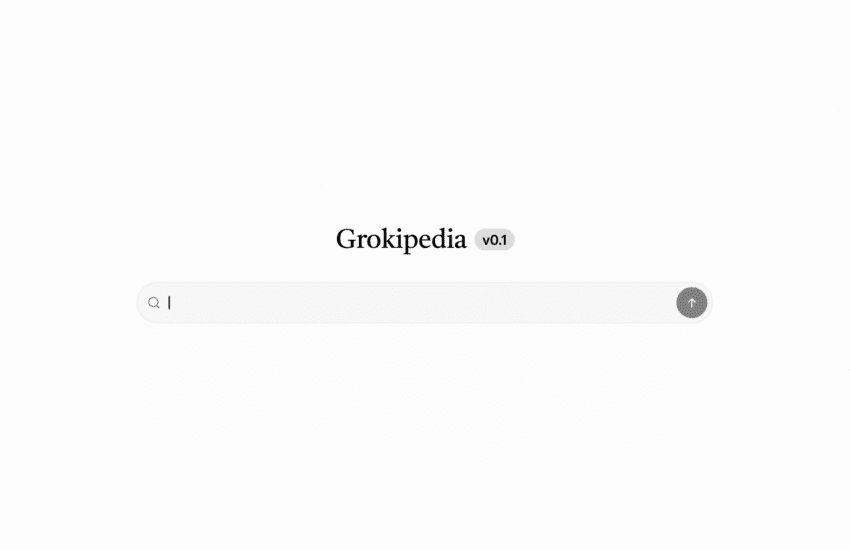
Grokipedia, described as a Wikipedia-like online encyclopedia, is now live and has generated significant interest due to its connection to Elon Musk and xAI. The platform currently features a basic design, with its homepage dominated by a large search bar, reminiscent of Wikipedia’s layout. The entries on Grokipedia are structured similarly to Wikipedia, containing headings, subheadings, and citations, although the site has yet to incorporate images.
User Interaction and Editing Features
Unlike Wikipedia, which allows users to edit pages freely, Grokipedia’s editing capabilities appear limited. A prominent edit button is visible on only a few pages, and when clicked, it displays previously completed edits without indicating who made those changes. Users are unable to suggest their own modifications, which raises concerns about the platform’s collaborative nature. This restriction contrasts sharply with Wikipedia’s open-editing model, which has been a cornerstone of its success and reliability.
Fact-Checking Claims
Another notable feature of Grokipedia is its assertion that entries have been fact-checked by Grok, the AI behind the platform. This claim is controversial, particularly given the propensity of large language models to generate inaccurate information. The site also includes timestamps indicating when the fact-checking occurred, but the reliability of these checks remains uncertain.
Content Similarities with Wikipedia
Despite Musk’s assertion that Grokipedia would be a “massive improvement” over Wikipedia, evidence suggests that some articles are directly copied from Wikipedia. For instance, the page for the MacBook Air includes a disclaimer stating, “The content is adapted from Wikipedia, licensed under Creative Commons Attribution-ShareAlike 4.0 License.” This message is not isolated; similar notices appear on pages for the PlayStation 5 and the Lincoln Mark VIII, where the text is nearly identical to that found on Wikipedia.
Wikimedia Foundation’s Response
Lauren Dickinson, a spokesperson for the Wikimedia Foundation, commented on the situation, stating, “Even Grokipedia needs Wikipedia to exist.” This remark underscores the reliance of Grokipedia on Wikipedia’s extensive database of knowledge. The Wikimedia Foundation has been a steadfast advocate for open access to information since its inception in 2001, and its commitment to transparency and community-driven content creation sets it apart from for-profit ventures like Grokipedia.
Content Quality and Controversial Entries
While some articles on Grokipedia are indeed based on Wikipedia, others diverge significantly in content and perspective. For example, both platforms feature articles on climate change, but the framing of the information differs markedly. Wikipedia’s entry emphasizes the scientific consensus on climate change, stating, “There is a nearly unanimous scientific consensus that the climate is warming and that this is caused by human activities. No scientific body of national or international standing disagrees with this view.”
In contrast, Grokipedia’s entry presents a more contentious viewpoint. It mentions that critics argue claims of near-unanimous scientific consensus overstate agreement, attributing this to selective categorization in literature reviews. Furthermore, it suggests that media and advocacy organizations, such as Greenpeace, contribute to public alarm and influence policy discussions without adequate empirical grounding. This divergence in content raises questions about Grokipedia’s editorial stance and the potential biases embedded within its articles.
Current Scale and Future Prospects
As of now, Grokipedia boasts over 885,000 articles, a substantial number but still significantly lower than Wikipedia’s approximately 7 million English pages. The current version of Grokipedia is labeled as v0.1, indicating that it is still in its early stages of development. This early version may explain some of the limitations in user interaction and content quality, as the platform continues to evolve.
Comparative Analysis: Wikipedia vs. Grokipedia
Wikipedia has long been recognized as a reliable source of information, thanks to its transparent policies, rigorous volunteer oversight, and commitment to neutrality. The platform operates under a nonprofit model, which distinguishes it from for-profit alternatives like Grokipedia. Wikipedia’s independence from advertising and data selling has contributed to its status as a trusted resource for over two decades.
Wikipedia’s Community and Collaborative Model
The collaborative nature of Wikipedia allows individuals from diverse backgrounds to contribute to a living record of human understanding. This model fosters a culture of continuous improvement, where articles are regularly updated and refined based on new information and community feedback. The human element of Wikipedia’s knowledge creation is a critical factor in its reliability and depth.
Challenges Faced by Grokipedia
As Grokipedia seeks to establish itself in the crowded landscape of online encyclopedias, it faces several challenges. One significant hurdle is the perception of originality and credibility. The reliance on Wikipedia for content, coupled with the limitations in user editing capabilities, may hinder Grokipedia’s ability to build a reputation as a trustworthy source of information.
Moreover, the controversial framing of certain topics, such as climate change, could alienate users who prioritize evidence-based information. As the platform develops, it will need to address these concerns to gain traction among users who are accustomed to the rigorous standards upheld by Wikipedia.
Future Implications for Online Knowledge Sharing
The emergence of Grokipedia raises broader questions about the future of online knowledge sharing. As AI technologies continue to evolve, the potential for creating alternative knowledge platforms will likely increase. However, the success of these platforms will depend on their ability to establish credibility, transparency, and community engagement.
The Role of AI in Content Creation
AI’s role in content creation is a double-edged sword. While it can facilitate the generation of vast amounts of information quickly, it also poses risks related to accuracy and bias. The reliance on AI for fact-checking, as seen with Grokipedia, may not be sufficient to ensure the reliability of information. As AI technologies become more integrated into knowledge-sharing platforms, the need for human oversight and editorial standards will remain paramount.
Community Engagement and Trust
Building trust with users will be crucial for Grokipedia’s long-term success. Engaging the community in the content creation process, similar to Wikipedia’s model, could enhance the platform’s credibility. Transparency in how information is sourced and fact-checked will also be essential in establishing a reputation as a reliable knowledge resource.
Conclusion
The launch of Grokipedia marks a significant development in the landscape of online encyclopedias, particularly given its association with Elon Musk and xAI. While the platform offers a new alternative to Wikipedia, its reliance on copied content and limited user interaction raises concerns about originality and credibility. As Grokipedia continues to evolve, it will need to address these challenges to carve out a niche in the competitive world of online knowledge sharing.
Source: Original report
Was this helpful?
Explore more: AI Automation Services More AI & Automation Tech News
Last Modified: October 28, 2025 at 6:36 am
22 views