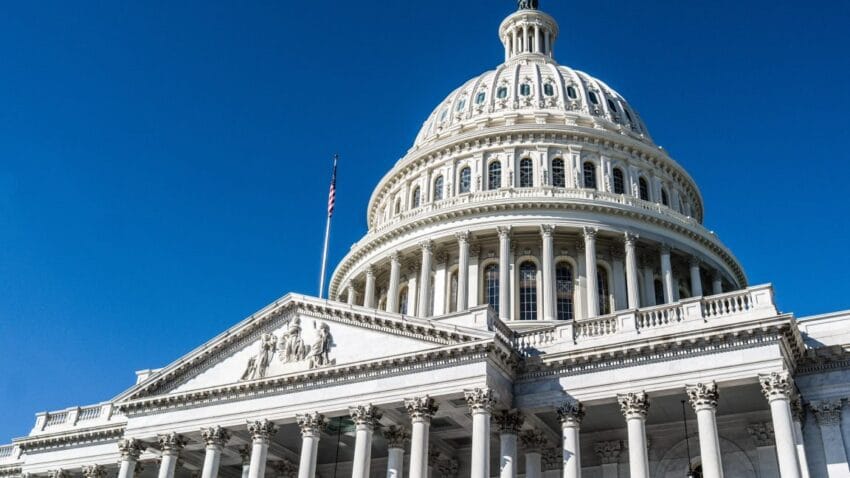
disruption to science will last longer than The ongoing government shutdown is set to have a more prolonged impact on the scientific community than previous instances, raising concerns about the future of American research and innovation.
disruption to science will last longer than
Impact of Government Shutdowns on Scientific Research
Historically, government shutdowns in the United States have had significant repercussions for scientific research and innovation. During these periods, federal agencies responsible for funding and conducting scientific research often face severe disruptions. Funding lapses result in government scientists being sent home without pay, halting critical research projects and initiatives.
Suspension of Grant Opportunities
One of the immediate effects of a government shutdown is the suspension of new grant opportunities. Federal agencies, such as the National Institutes of Health (NIH) and the National Science Foundation (NSF), typically provide essential funding for a wide range of research projects. However, during a shutdown, these agencies are unable to process new grant applications or disburse funds for ongoing projects. This creates a backlog of proposals that can take months to resolve once the government reopens.
Disruption of Data Collection and Analysis
In addition to halting funding, government shutdowns also disrupt the collection and analysis of critical public datasets. Agencies responsible for monitoring the economy, environment, and public health are forced to suspend their operations. For example, the Environmental Protection Agency (EPA) may halt its monitoring of air and water quality, while the Centers for Disease Control and Prevention (CDC) may delay important public health surveys. This interruption can have long-lasting effects on scientific understanding and policy-making.
The 2025 Shutdown: A Unique Context
The current government shutdown in 2025 presents a unique set of challenges that could exacerbate the impact on scientific research. The stakes are higher than in past shutdowns due to a combination of factors, including political tensions and ongoing efforts to reshape the landscape of American science.
Political Climate and Executive Power
The shutdown coincides with President Donald Trump’s ongoing attempts to extend executive power and assert political control over scientific institutions. This has raised concerns among scientists and researchers about the integrity and independence of scientific research. Many fear that political motivations may influence funding decisions and research priorities, further complicating the landscape for scientific inquiry.
Long-Term Implications for Research and Innovation
The implications of this shutdown extend beyond immediate disruptions. The long-term effects on research and innovation could be profound. As funding opportunities dwindle and research projects stall, the United States risks falling behind other nations in scientific advancements. Countries that continue to invest in research and development during such crises may gain a competitive edge, leaving American scientists struggling to catch up.
Stakeholder Reactions
The scientific community has expressed significant concern over the current shutdown and its implications for research. Various stakeholders, including researchers, academic institutions, and advocacy groups, have voiced their frustrations and fears.
Voices from the Scientific Community
Many scientists have taken to social media and public forums to share their experiences and concerns. Researchers who rely on federal funding for their work are particularly vocal about the uncertainty they face. “It’s incredibly frustrating to see our hard work come to a halt because of political decisions,” said Dr. Emily Carter, a biologist at a leading research university. “We are at a critical juncture in our research, and this shutdown could set us back for years.”
Academic Institutions and Advocacy Groups
Academic institutions are also feeling the strain. Universities that depend on federal grants for research funding are concerned about the long-term viability of their programs. Advocacy groups, such as the American Association for the Advancement of Science (AAAS), have called for an end to the shutdown, emphasizing the importance of stable funding for scientific research. “Science thrives on continuity and support,” said AAAS President Dr. Sudip Parikh. “Disruptions like this can have ripple effects that last long after the government reopens.”
Historical Context of Government Shutdowns
To better understand the current situation, it is essential to look back at previous government shutdowns and their impacts on science. The most notable shutdowns occurred in 1995-1996 and 2013, both of which resulted in significant disruptions to scientific research.
1995-1996 Shutdown
The 1995-1996 government shutdown lasted for 21 days and had a considerable impact on federal agencies. During this period, the NIH and NSF suspended grant applications, leading to delays in funding for numerous research projects. The shutdown also affected the collection of vital data, including economic indicators and environmental assessments, which hampered policy-making efforts.
2013 Shutdown
Similarly, the 2013 shutdown lasted for 16 days and resulted in the furlough of thousands of federal scientists. The National Oceanic and Atmospheric Administration (NOAA) was unable to provide critical weather data, and the CDC halted its flu surveillance program. The repercussions of this shutdown were felt long after it ended, as researchers struggled to regain lost time and funding.
Future Considerations
As the current shutdown continues, it is crucial for stakeholders to consider the future of scientific research in the United States. The ongoing political climate and the potential for further shutdowns raise questions about the sustainability of funding and support for science.
Policy Recommendations
To mitigate the impact of future shutdowns, experts recommend several policy changes:
- Establishing a Contingency Fund: Creating a dedicated fund to support scientific research during government shutdowns could help maintain continuity and stability.
- Streamlining Grant Processes: Simplifying the grant application and review process may reduce delays and ensure that funding is available more quickly after a shutdown.
- Enhancing Communication: Improving communication between federal agencies and the scientific community can help researchers better navigate the challenges posed by shutdowns.
The Role of Public Support
Public support for scientific research is also critical in times of political uncertainty. Engaging the public in discussions about the importance of science and research funding can help build a more robust advocacy network. As scientists and researchers continue to face challenges, it is essential for the public to recognize the value of their work and the need for stable funding.
Conclusion
The current government shutdown is poised to have a lasting impact on the scientific community, with implications that extend far beyond the immediate disruptions. As researchers grapple with halted projects and uncertain funding, the future of American science hangs in the balance. The ongoing political climate and efforts to reshape scientific institutions only add to the complexity of the situation. Moving forward, it is crucial for stakeholders to advocate for policies that support scientific research and ensure its independence from political influence.
Source: Original report
Was this helpful?
Explore more: More General Technology Tech News Blog
Last Modified: November 3, 2025 at 8:36 pm
14 views