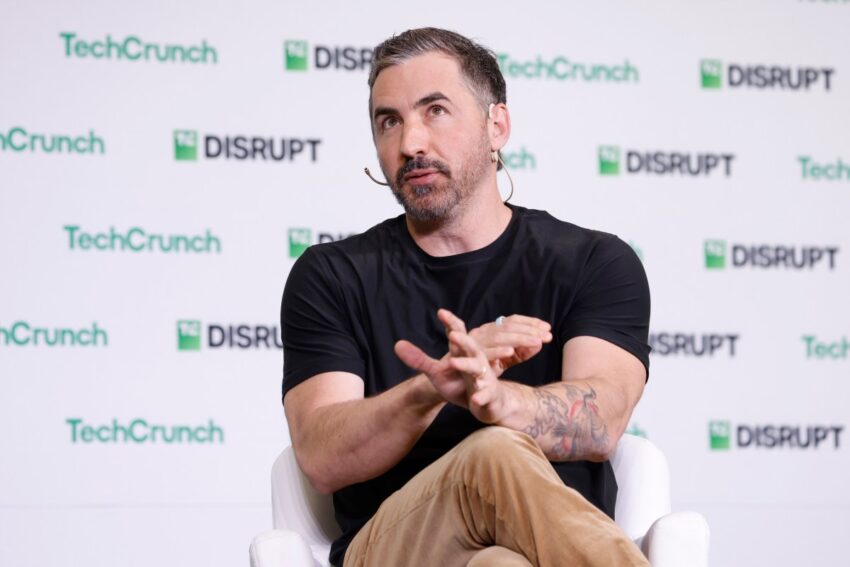
digg founder kevin rose on the need Kevin Rose, the founder of Digg, is reimagining the platform to foster trusted social communities in an era increasingly dominated by artificial intelligence.
digg founder kevin rose on the need
The Evolution of Digg
Originally launched in 2004, Digg was one of the first social news aggregation websites, allowing users to submit and vote on content. It quickly gained popularity, becoming a significant player in the early days of social media. However, after a series of ownership changes and strategic missteps, the platform lost its relevance. In recent years, Rose has returned to the helm, aiming to revitalize Digg and adapt it to the current digital landscape.
Reimagining Community Interaction
Under Rose’s leadership, the new Digg is designed to create a space for people to socialize and connect online within communities. While it draws inspiration from platforms like Reddit, Rose envisions a platform that operates differently. The rise of AI technologies has blurred the lines between human and bot interactions, making it essential to establish a trustworthy environment for users.
Rose emphasizes that the new Digg will prioritize authentic human connections. “In a world where bots are nearly indistinguishable from humans, we need to create a platform that fosters genuine interactions,” he stated in a recent interview. This focus on authenticity is crucial as users increasingly seek reliable sources of information and community engagement.
The Role of AI in Social Platforms
Artificial intelligence has transformed the way people interact online, influencing everything from content curation to user engagement. While AI can enhance user experiences by personalizing content, it also poses challenges, particularly regarding misinformation and the erosion of trust. As bots become more sophisticated, the potential for manipulation and deception increases.
Challenges of Misinformation
One of the most pressing issues in the digital age is the spread of misinformation. Social media platforms have faced significant backlash for their roles in disseminating false information, particularly during critical events such as elections and public health crises. Rose acknowledges this challenge, stating, “We must be vigilant in combating misinformation and ensuring that our platform remains a trusted source of information.”
To address this issue, the new Digg will implement robust moderation tools and community guidelines aimed at curbing the spread of false information. By empowering users to report suspicious content and fostering a culture of accountability, Rose hopes to create a more reliable environment for discussions and information sharing.
Building Trust in Online Communities
Trust is a cornerstone of any successful online community. In an era where users are increasingly skeptical of the information they encounter, establishing a trustworthy platform is paramount. Rose believes that transparency and user empowerment are key to building this trust.
Transparency in Moderation
One of the strategies to enhance trust is through transparent moderation practices. Users will have access to information about how content is moderated, including the criteria used for removing posts or banning users. This transparency can help demystify the moderation process and reassure users that decisions are made fairly and consistently.
Additionally, Rose plans to involve the community in the moderation process. By allowing users to participate in discussions about community guidelines and moderation policies, Digg aims to create a sense of ownership among its users. “When users feel like they have a stake in the platform, they are more likely to contribute positively and help maintain a healthy community,” Rose explained.
The Future of Digg
As Digg evolves, it faces the challenge of balancing innovation with user expectations. The platform’s success will depend on its ability to adapt to changing user needs while maintaining its commitment to authenticity and trust. Rose is optimistic about the future, stating, “We are at a pivotal moment in the evolution of social media, and I believe Digg can play a significant role in shaping the future of online communities.”
Engaging Users with Unique Features
To differentiate itself from competitors, the new Digg will introduce unique features designed to enhance user engagement. These features may include specialized community spaces for niche interests, enhanced content discovery tools, and interactive elements that encourage user participation.
Rose envisions a platform where users can easily find communities that align with their interests, fostering deeper connections and more meaningful interactions. “We want to create a space where users feel comfortable sharing their thoughts and experiences, knowing they are part of a supportive community,” he said.
Stakeholder Reactions
The re-launch of Digg has garnered attention from various stakeholders, including users, industry experts, and investors. Many are curious to see how Rose’s vision will manifest in the new platform and whether it can successfully carve out a niche in the crowded social media landscape.
User Sentiment
Initial reactions from users have been mixed. Some are excited about the potential for a more authentic social experience, while others remain skeptical, citing past disappointments with the platform. “I hope this time it’s different,” one user commented on social media. “We need a place where we can trust the information we share and receive.”
To address these concerns, Rose is committed to engaging with the community and soliciting feedback throughout the development process. “We want to hear from our users and understand their needs,” he stated. “Their input will be invaluable as we shape the future of Digg.”
Industry Expert Opinions
Industry experts have also weighed in on the potential impact of the new Digg. Many believe that Rose’s focus on trust and community engagement is timely and necessary. “In an age where misinformation is rampant, platforms that prioritize authenticity will stand out,” said a social media analyst. “If Digg can successfully implement its vision, it could become a leader in fostering trusted online communities.”
Conclusion
As Kevin Rose takes the reins of Digg once again, he faces the daunting task of revitalizing a platform that once defined social media. In a world where AI blurs the lines between human and machine interactions, the need for trusted social communities has never been more critical. By prioritizing authenticity, transparency, and user engagement, Rose aims to create a space where users can connect meaningfully and share reliable information.
The journey ahead will undoubtedly be challenging, but with a clear vision and a commitment to building trust, the new Digg has the potential to become a significant player in the evolving landscape of social media.
Source: Original report
Was this helpful?
Explore more: More Big Tech & Platforms Tech News Blog
Last Modified: October 30, 2025 at 7:37 am
8 views