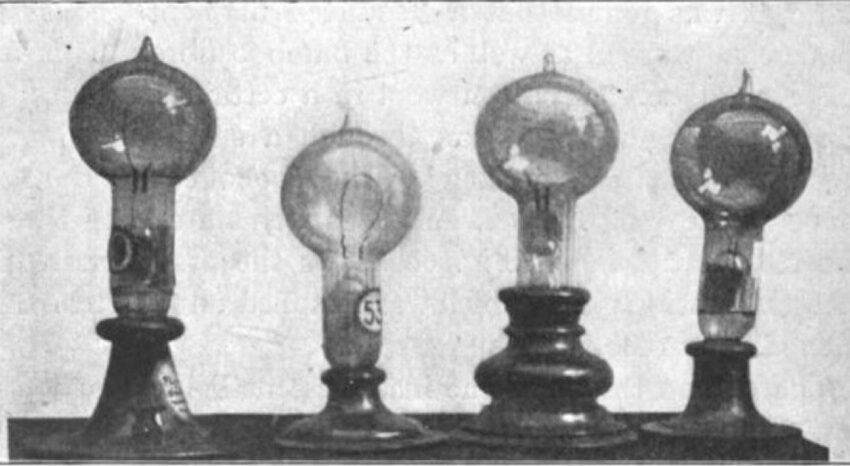
did edison accidentally make graphene in 1879 Recent research suggests that Thomas Edison may have inadvertently created graphene during his experiments with incandescent light bulbs in the late 19th century.
did edison accidentally make graphene in 1879
Understanding Graphene
Graphene is a remarkable material that consists of a single layer of carbon atoms arranged in a two-dimensional hexagonal lattice. This unique structure imparts a range of extraordinary properties, making graphene one of the most studied materials in modern science. Its thinness—just one atom thick—combined with its strength and conductivity, has led to a multitude of potential applications across various industries.
Properties and Applications
The properties of graphene are nothing short of revolutionary. Some of its most notable characteristics include:
- Electrical Conductivity: Graphene exhibits exceptional electrical conductivity, making it an ideal candidate for applications in electronics, such as transistors and touchscreens.
- Mechanical Strength: It is approximately 200 times stronger than steel, which opens up possibilities for its use in construction materials and protective gear.
- Thermal Conductivity: Graphene can efficiently conduct heat, which is beneficial for thermal management in electronic devices.
- Flexibility: Its flexibility allows for innovative designs in wearable technology and flexible electronics.
- Impermeability: Graphene is impermeable to gases, making it suitable for applications in water filtration and barrier materials.
These properties have led to a surge of interest in graphene for various applications, including batteries, supercapacitors, antennas, water filters, transistors, solar cells, and more. The potential for graphene to revolutionize technology is immense, and its discovery has been a focal point of research since its first synthesis in the laboratory.
The Nobel Prize and Modern Research
The first successful synthesis of graphene in the laboratory was achieved by physicists Andre Geim and Konstantin Novoselov in 2004, a feat that earned them the Nobel Prize in Physics in 2010. Their work opened the floodgates for extensive research into graphene’s properties and potential applications. Since then, scientists have been exploring ways to integrate graphene into various technologies, from electronics to energy storage systems.
The Historical Context of Edison’s Work
While the modern understanding of graphene is relatively recent, the groundwork for its discovery may have been laid much earlier. Thomas Edison, known primarily for his role in the development of the electric light bulb, was not the first to conceptualize incandescent lighting. Various inventors had experimented with incandescent lamps before him, but their designs often had significant limitations, such as short lifespans and the need for high electric currents.
Edison’s approach to incandescent lighting involved extensive experimentation with different filament materials. His initial attempts included carbonized cardboard and compressed lampblack, both of which proved to be ineffective due to their short lifespans. He also experimented with filaments made from various organic materials, including grasses and canes like hemp and palmetto, but these too were not suitable for long-term use.
The Breakthrough with Carbonized Bamboo
Ultimately, Edison discovered that carbonized bamboo provided the most effective filament material, achieving lifespans exceeding 1200 hours when used with a 110-volt power source. This breakthrough was pivotal in Edison’s vision of large-scale commercialization of incandescent lighting. The success of carbonized bamboo filaments not only contributed to the widespread adoption of electric lighting but also paved the way for further innovations in electrical engineering.
Graphene Production: A Byproduct of Edison’s Experiments?
According to a recent paper published in the journal ACS Nano, researchers have speculated that Edison may have inadvertently produced graphene as a byproduct of his filament experiments. The study’s co-author, James Tour, a chemist at Rice University, expressed excitement over the possibility of reproducing Edison’s work with modern tools and knowledge. He stated, “Finding that he could have produced graphene inspires curiosity about what other information lies buried in historical experiments.”
This revelation raises intriguing questions about the historical context of scientific discovery. What insights might Edison’s contemporaries have gained if they had access to today’s advanced analytical techniques? What other materials or phenomena might have been overlooked in the annals of scientific history?
Implications of the Discovery
The implications of this discovery extend beyond mere historical curiosity. If Edison did indeed create graphene, it would suggest that the material’s potential was recognized long before its formal identification in the 21st century. This could prompt a reevaluation of other historical experiments and inventions, potentially leading to the rediscovery of forgotten technologies or materials that could be relevant in today’s scientific landscape.
Revisiting Historical Experiments
Tour’s comments highlight the importance of revisiting historical experiments through a modern lens. By applying contemporary scientific methods to past research, scientists may uncover valuable insights that have been lost to time. This approach could lead to the identification of new materials or methods that could significantly impact current technological advancements.
Moreover, the idea that a figure as prominent as Edison may have unknowingly contributed to the field of nanotechnology underscores the interconnectedness of scientific discovery. It illustrates how the pursuit of one goal—such as improving incandescent lighting—can yield unexpected results that have far-reaching implications in entirely different fields.
Stakeholder Reactions
The scientific community has responded with intrigue to the possibility that Edison’s work may have produced graphene. Researchers are eager to explore the implications of this discovery, not only for its historical significance but also for its potential to inspire new avenues of research. The notion that historical figures like Edison could have contributed to modern science in unforeseen ways encourages a more holistic view of scientific progress.
Industry stakeholders are also paying attention. The potential applications of graphene in various sectors, including electronics, energy, and materials science, make it a highly sought-after material. If Edison’s work can be linked to the early production of graphene, it may lead to renewed interest in the development of graphene-based technologies and products.
Future Research Directions
As researchers continue to investigate the historical context of graphene’s discovery, several questions remain unanswered. What specific conditions in Edison’s experiments could have led to the formation of graphene? Are there other historical figures whose work may have inadvertently contributed to the development of advanced materials? These questions present exciting opportunities for future research.
Furthermore, the ongoing exploration of graphene’s properties and applications is likely to continue at a rapid pace. As scientists gain a deeper understanding of this material, new technologies may emerge that leverage its unique characteristics, potentially transforming industries and improving everyday life.
Conclusion
The possibility that Thomas Edison may have accidentally created graphene during his experiments with incandescent light bulbs is a fascinating intersection of history and modern science. This discovery not only sheds light on Edison’s contributions to technology but also emphasizes the importance of revisiting historical experiments with contemporary analytical tools. As researchers continue to explore the implications of this finding, the legacy of Edison may extend far beyond electric lighting, potentially influencing the future of materials science and technology.
Source: Original report
Was this helpful?
Explore more: More General Technology Tech News Blog
Last Modified: January 25, 2026 at 8:37 am
11 views