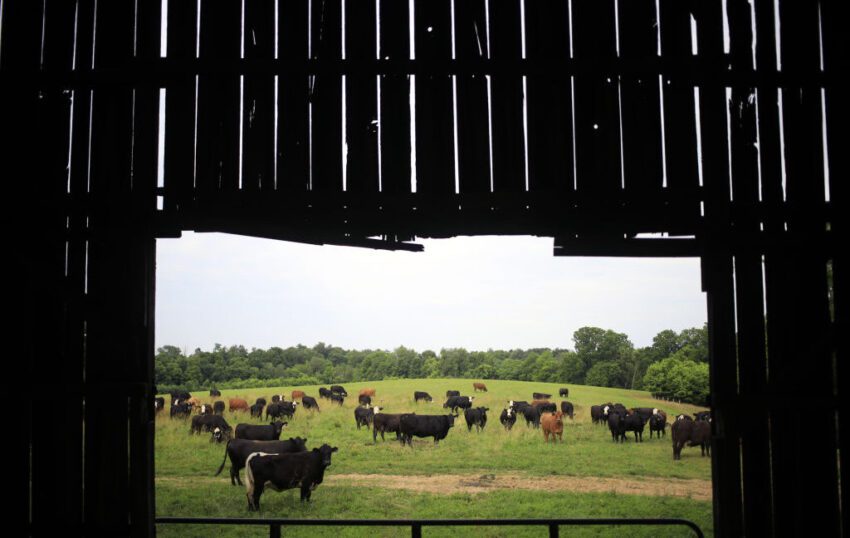
data center builders thought farmers would willingly Recent developments indicate that tech companies seeking to establish data centers in rural areas have significantly misjudged the emotional and cultural ties that American farmers have to their land.
data center builders thought farmers would willingly
Understanding the Landscape of Data Center Development
In recent years, the demand for data centers has surged as businesses and consumers increasingly rely on digital services. This has led tech giants to scout rural areas, where land is more affordable and often more available than in urban centers. Companies such as Amazon, Google, and Microsoft have been particularly aggressive in their pursuit of land for data centers, which are essential for cloud computing, data storage, and various online services.
However, this trend has not unfolded as smoothly as anticipated. Many farmers, who have cultivated their land for generations, are standing firm against lucrative offers from these corporations. Reports indicate that some farmers have turned down offers reaching into the tens of millions of dollars, demonstrating a profound commitment to their land that transcends financial incentives.
The Emotional Connection to Land
The emotional and historical significance of farmland cannot be overstated. For many farmers, land is not merely a commodity; it represents a legacy, a way of life, and a connection to their ancestors. This deep-rooted attachment often leads to resistance against selling land, regardless of the financial benefits involved.
Farmers often view their land as a part of their identity. It is where they have built their lives, raised families, and contributed to their communities. The prospect of transforming this land into a data center, which may not align with their values or vision for the future, can be a source of conflict.
Case Studies of Rejection
Several notable cases illustrate this phenomenon. In various regions across the United States, farmers have declined offers that would have significantly enriched them financially. For instance, in one community, a farmer turned down a $20 million offer, citing a desire to preserve the agricultural landscape and maintain the community’s character.
Another farmer in a different state rejected an even larger offer, stating that the land had been in his family for generations. He expressed concerns about the environmental impact of data centers, including potential pollution and the loss of arable land. Such sentiments are echoed by many farmers who are wary of the long-term implications of industrial development on their land.
The Economic Implications
The refusal of farmers to sell their land has significant economic implications for tech companies. As these corporations seek to expand their operations, they may find themselves facing obstacles that were not initially considered. The rejection of land deals can delay projects, increase costs, and force companies to look elsewhere for suitable locations.
Moreover, the resistance from farmers may prompt tech companies to rethink their strategies. Instead of focusing solely on acquiring land, they may need to engage more deeply with local communities, understanding their concerns and values. This could involve investing in community development initiatives or exploring partnerships that align with local interests.
Community Reactions
The response from local communities has been mixed. While some residents welcome the economic opportunities that data centers can bring, including job creation and infrastructure improvements, others share the sentiments of the farmers. Many community members are concerned about the potential disruption to their way of life, environmental impacts, and the loss of agricultural land.
Community meetings have become a platform for expressing these concerns. Farmers and residents have voiced their opinions, emphasizing the importance of preserving rural landscapes and the agricultural heritage that defines their communities. These discussions often highlight the need for a balanced approach to development that respects both economic growth and the preservation of local culture.
The Role of Policy and Regulation
As the tension between tech companies and farmers continues to unfold, the role of policy and regulation becomes increasingly important. Local governments may need to establish guidelines that govern the development of data centers, ensuring that community interests are prioritized. This could involve zoning regulations, environmental assessments, and public consultation processes.
Some states have already begun to implement policies aimed at protecting agricultural land from industrial development. These measures can help maintain the integrity of rural areas while also allowing for responsible economic growth. Policymakers face the challenge of balancing the interests of tech companies with the rights of landowners and the needs of local communities.
Long-term Implications for the Tech Industry
The ongoing resistance from farmers may have long-term implications for the tech industry as a whole. If tech companies continue to face pushback in rural areas, they may need to reconsider their expansion strategies. This could lead to a greater emphasis on urban development, where land is more expensive but may be more readily available for industrial purposes.
Additionally, the tech industry may need to invest more in sustainable practices and community engagement. By demonstrating a commitment to environmental stewardship and social responsibility, companies can build trust with local communities and potentially ease tensions surrounding land acquisition.
Conclusion
The ongoing struggle between farmers and tech companies seeking to develop data centers in rural areas highlights a complex interplay of economic, emotional, and cultural factors. While the financial allure of selling land may be strong, many farmers are choosing to prioritize their connection to the land and their communities over monetary gain. As this dynamic continues to evolve, it will be essential for tech companies to engage with local stakeholders, consider the long-term implications of their actions, and develop strategies that respect the values and heritage of rural America.
Ultimately, the future of data center development in rural areas may depend on finding a balance between technological advancement and the preservation of agricultural landscapes. As farmers continue to stand firm in their convictions, the tech industry will need to adapt and innovate in ways that honor the rich history and culture of the land.
Source: Original report
Was this helpful?
Explore more: DevOps Services More Cloud & DevOps Tech News
Last Modified: February 24, 2026 at 9:36 am
12 views