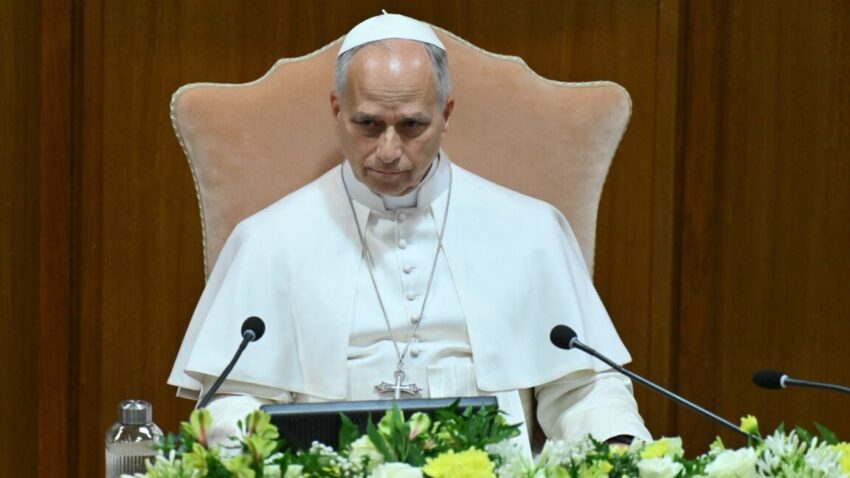
citing gandalf pope leo says we must Pope Leo XIV has made headlines with his first encyclical, “Magnifica Humanitas,” calling for the disarmament of artificial intelligence to promote the common good.
citing gandalf pope leo says we must
Context of the Encyclical
In a world increasingly influenced by technology, the role of artificial intelligence (AI) has become a focal point for ethical discussions. The encyclical, presented in Rome alongside Anthropic co-founder, emphasizes the need for a moral framework surrounding AI development and deployment. Pope Leo XIV’s choice of the term “disarmament” is particularly striking, suggesting a proactive approach to mitigating the potential harms of AI technologies.
The Significance of “Disarmament”
The Pope explained that the term “disarmament” was chosen with intention, as it resonates with the urgency of the current technological landscape. “The word is strong,” he stated, acknowledging that such language is necessary to capture attention and spur action. By advocating for the disarmament of AI, he highlights the risks associated with its unchecked growth, particularly in areas such as autonomous weapons and surveillance technologies.
This call to action is not merely rhetorical; it reflects a growing concern among various stakeholders, including ethicists, technologists, and policymakers, about the implications of AI on society. The encyclical serves as a moral compass, urging a reevaluation of how AI is integrated into daily life and governance.
Key Themes in “Magnifica Humanitas”
The encyclical spans 40,000 words and covers a range of topics related to AI, technology, and their societal impacts. Below are some of the key themes highlighted in the document:
- Critique of Autonomous Weapons: The encyclical expresses strong opposition to AI-powered autonomous weapons, arguing that they pose a significant threat to human life and dignity. The Pope warns that such technologies could lead to a future where decisions about life and death are made by algorithms rather than human judgment.
- Neo-Colonial Attitudes: Pope Leo XIV critiques the prevailing attitudes towards data collection, which he describes as neo-colonial. He argues that the exploitation of data, particularly from marginalized communities, mirrors historical patterns of colonialism, where resources were extracted without regard for the local populace.
- New Forms of Property: The encyclical addresses the hoarding of “new forms of property,” including patents, algorithms, digital platforms, and data. The Pope emphasizes that these assets should not be concentrated in the hands of a few but should be accessible for the common good.
Implications for Society
The implications of the encyclical are profound. By calling for the disarmament of AI, Pope Leo XIV is not only addressing immediate concerns but also laying the groundwork for a more equitable technological future. The document encourages a collective reflection on how AI technologies can be harnessed for the benefit of all, rather than a select few.
This perspective aligns with ongoing debates in various sectors, including academia, industry, and government, about the ethical use of AI. As organizations grapple with the challenges posed by AI, the encyclical serves as a reminder of the moral responsibilities that accompany technological advancement.
Reactions from Stakeholders
The release of “Magnifica Humanitas” has elicited a range of reactions from different stakeholders, including technologists, ethicists, and religious leaders. Many have praised the Pope’s bold stance on AI, viewing it as a necessary intervention in a rapidly evolving field.
Technologists’ Perspectives
Some technologists have expressed support for the encyclical, acknowledging the need for ethical guidelines in AI development. They argue that the Pope’s call for disarmament resonates with ongoing efforts to create responsible AI frameworks. For instance, initiatives aimed at ensuring transparency, accountability, and fairness in AI systems align with the encyclical’s themes.
However, there are also concerns among some technologists about the feasibility of disarming AI. Critics argue that the term may be overly simplistic and could hinder innovation. They emphasize the importance of balancing ethical considerations with the need for technological progress, suggesting that a nuanced approach is necessary.
Ethicists’ Views
Ethicists have largely welcomed the encyclical as a significant contribution to the discourse on AI ethics. Many believe that the Pope’s emphasis on the common good aligns with existing ethical frameworks that prioritize human welfare over profit. The encyclical’s critique of neo-colonial attitudes towards data collection has also resonated with those advocating for data justice and equity.
Moreover, the call for disarmament has sparked discussions about the moral implications of AI technologies. Ethicists argue that the encyclical provides a valuable lens through which to examine the ethical dilemmas posed by AI, particularly in areas such as surveillance, military applications, and algorithmic bias.
Religious Leaders’ Reactions
Religious leaders from various faith traditions have also responded positively to the encyclical. Many see it as a timely reminder of the moral responsibilities that come with technological advancement. The emphasis on the common good aligns with core religious teachings about compassion, justice, and stewardship of creation.
Some leaders have called for interfaith dialogues to explore the ethical implications of AI further. They argue that a collaborative approach is essential for addressing the complex challenges posed by AI technologies, emphasizing that moral considerations should be at the forefront of discussions about technological development.
Future Directions
The encyclical “Magnifica Humanitas” sets the stage for future discussions about the role of AI in society. As the world grapples with the rapid advancements in technology, the Pope’s call for disarmament serves as a crucial reminder of the ethical considerations that must guide these developments.
In the coming years, it will be essential for policymakers, technologists, and ethicists to engage in meaningful dialogues about the implications of AI. The encyclical encourages a collaborative approach, urging stakeholders to work together to create frameworks that prioritize human dignity and the common good.
Potential Policy Changes
In light of the encyclical, there may be calls for policy changes at various levels of government. Policymakers could consider implementing regulations that address the ethical use of AI, particularly in sensitive areas such as military applications and data privacy. The encyclical’s critique of neo-colonial attitudes may also prompt discussions about data governance and the need for equitable data practices.
Furthermore, educational institutions may take inspiration from the encyclical to incorporate ethical considerations into their AI curricula. By emphasizing the moral implications of technology, future generations of technologists may be better equipped to navigate the ethical challenges posed by AI.
Conclusion
Pope Leo XIV’s encyclical “Magnifica Humanitas” represents a significant contribution to the ongoing discourse about artificial intelligence and its societal implications. By calling for the disarmament of AI, the Pope emphasizes the need for ethical considerations in technological development. The encyclical serves as a moral compass, urging stakeholders to prioritize the common good in an era marked by rapid technological change. As discussions about AI continue to evolve, the themes presented in the encyclical will likely resonate across various sectors, shaping the future of technology and its role in society.
Source: Original report
Was this helpful?
Explore more: AI Automation Services More AI & Automation Tech News
Last Modified: May 26, 2026 at 10:36 am
10 views