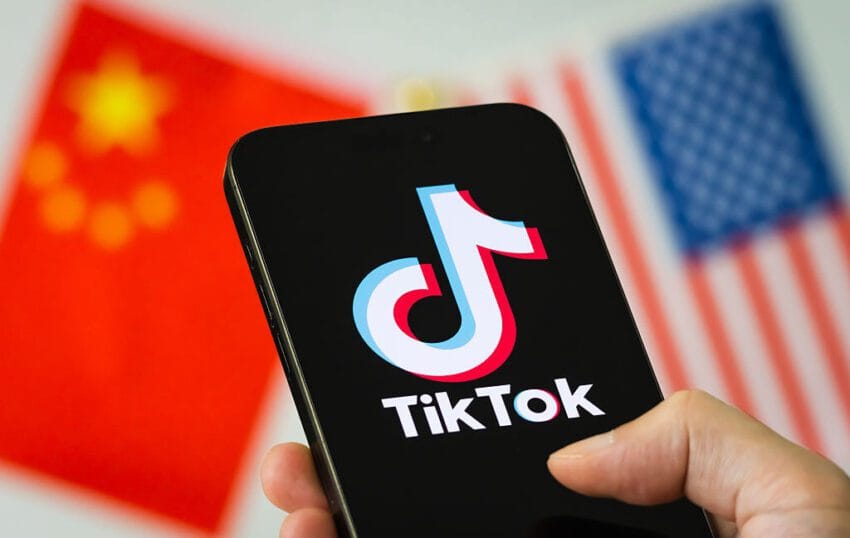
china keeps the algorithm critics attack trump President Donald Trump has confirmed an extension for TikTok’s ownership transition, allowing the popular app to continue operating while negotiations with potential U.S. investors progress.
china keeps the algorithm critics attack trump
Background on TikTok’s Ownership Controversy
TikTok, a social media platform owned by the Chinese company ByteDance, has faced scrutiny from U.S. lawmakers and government officials over concerns regarding data privacy and national security. The app has been accused of potentially allowing the Chinese government access to the personal data of American users, raising alarms about the possibility of espionage and manipulation of content.
In August 2020, President Trump issued an executive order that aimed to ban TikTok in the U.S. unless ByteDance divested its ownership. This move was part of a broader strategy to address perceived threats from Chinese technology companies, particularly in the context of rising tensions between the U.S. and China. The executive order set a deadline for the divestment, initially slated for September 15, 2020, but was later extended to December 16, 2020, as negotiations continued.
Details of the Proposed Deal
As negotiations progress, President Trump has indicated that the deal will likely result in a significant shift in ownership. According to sources cited by The Wall Street Journal, the proposed arrangement would see approximately 80 percent of TikTok’s ownership transferred to a consortium of U.S.-based investors. This consortium is expected to include major players such as Oracle, Silver Lake, and Andreessen Horowitz, alongside existing ByteDance investors like Susquehanna International, KKR, and General Atlantic.
The involvement of these prominent investment firms underscores the high stakes of the deal, not only for TikTok but also for the broader landscape of U.S.-China relations and the technology sector. By moving towards U.S. ownership, the deal aims to alleviate concerns about data privacy and national security while allowing TikTok to maintain its user base in the United States.
Implications for Users and Content Moderation
One of the most significant implications of this ownership shift is how it may affect TikTok’s algorithm and content moderation practices. Critics argue that simply transferring ownership does not guarantee that the app will be free from the influence of the Chinese government. Concerns persist that the algorithm, which determines what content users see, could still be manipulated to serve political or ideological agendas.
Experts in technology and data privacy have raised questions about the transparency of TikTok’s algorithm, which has been described as a “black box.” The lack of clarity surrounding how content is recommended to users has fueled fears that it could be used to promote misinformation or suppress dissenting voices. As the app transitions to U.S. ownership, stakeholders will be closely monitoring how these issues are addressed.
Stakeholder Reactions
The proposed deal has elicited a range of reactions from various stakeholders, including lawmakers, technology experts, and civil rights advocates. Some view the ownership transition as a necessary step to protect American users, while others argue that it may not fully resolve the underlying issues related to data privacy and algorithmic transparency.
Support from Lawmakers
Many lawmakers have expressed support for the deal, viewing it as a way to safeguard American interests. Senator Marco Rubio, for example, has been vocal about the need to ensure that foreign adversaries do not have access to sensitive data. He stated, “We cannot allow the Chinese Communist Party to exploit American technology for their own gain.” This sentiment is echoed by other lawmakers who believe that U.S. ownership will provide a layer of protection for users.
Concerns from Privacy Advocates
On the other hand, privacy advocates have raised concerns that the deal may not adequately address the fundamental issues at play. Organizations such as the Electronic Frontier Foundation (EFF) have called for greater transparency regarding TikTok’s data practices, regardless of ownership. They argue that simply changing ownership does not guarantee that user data will be handled responsibly or that the algorithm will be free from manipulation.
EFF’s Director of Advocacy, Rainey Reitman, stated, “We need to ensure that any changes to TikTok’s ownership come with robust safeguards for user privacy and transparency. Without these measures, users may still be at risk.” This perspective highlights the need for comprehensive reforms in data privacy laws that extend beyond individual companies.
Future of TikTok in the U.S.
The future of TikTok in the United States remains uncertain as negotiations continue. While the extension of the deadline provides a temporary reprieve for the app, the long-term implications of the ownership transition will depend on how effectively the new owners address the concerns raised by lawmakers and privacy advocates.
As the negotiations unfold, it is essential for stakeholders to remain vigilant and demand accountability from both TikTok and its new owners. The outcome of this deal could set a precedent for how foreign-owned technology companies operate in the U.S. and how data privacy issues are managed in an increasingly interconnected world.
Broader Context of U.S.-China Relations
The TikTok ownership controversy is emblematic of the broader tensions between the United States and China, particularly in the realm of technology. As both countries compete for dominance in the tech sector, issues of data privacy, cybersecurity, and intellectual property have become increasingly contentious.
In recent years, the U.S. government has taken a more aggressive stance towards Chinese technology companies, citing national security concerns. This has led to a series of actions, including trade restrictions and bans on certain Chinese apps. The TikTok case is just one example of how these tensions manifest in the tech industry, with potential implications for other companies operating in the U.S. market.
Conclusion
The extension of the deadline for TikTok’s ownership transition marks a critical juncture in the ongoing debate over data privacy and national security. As negotiations progress, the proposed deal has the potential to reshape the landscape of social media in the United States. However, the effectiveness of this ownership shift in addressing the underlying concerns remains to be seen.
As stakeholders continue to engage in discussions about the future of TikTok, it is crucial to prioritize transparency, accountability, and user privacy. The outcome of this deal could have far-reaching implications for the tech industry and the relationship between the U.S. and China, making it a pivotal moment in the ongoing discourse surrounding technology and national security.
Source: Original report
Was this helpful?
Explore more: More Big Tech & Platforms Tech News Blog
Last Modified: September 17, 2025 at 3:35 am
7 views