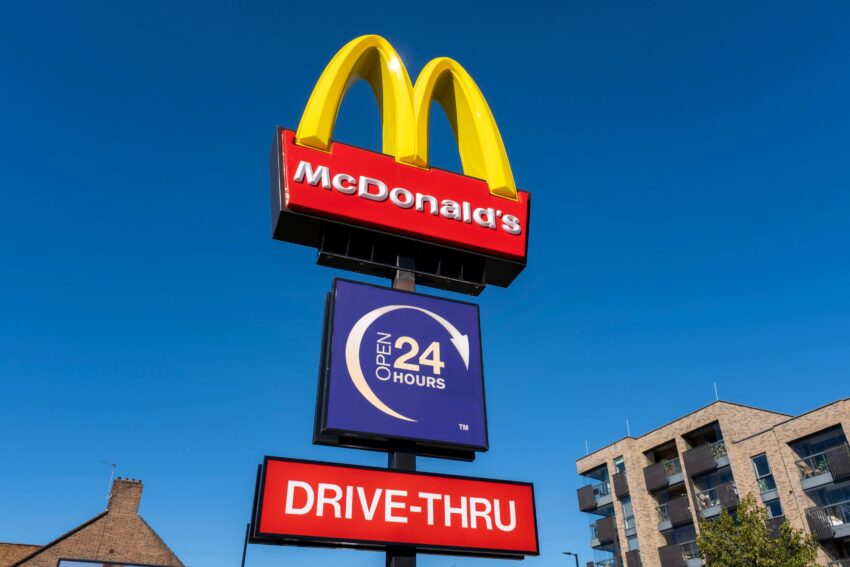
chatbots at the drive-thru are just the McDonald’s and Wendy’s are leading the charge in integrating AI chatbots into their drive-thru services, marking a significant shift in the fast-food industry.
chatbots at the drive-thru are just the
Introduction to AI in Fast Food
The fast-food industry has long been characterized by its rapid service and efficiency, but recent advancements in artificial intelligence (AI) are set to revolutionize the way customers interact with these establishments. The introduction of AI chatbots at drive-thrus is just the beginning of a broader trend that promises to reshape customer service in the food sector. As consumer expectations evolve, companies are increasingly looking to technology to enhance the ordering experience.
How It Started
In 2021, McDonald’s made headlines by becoming one of the first major fast-food chains to implement AI chatbots at its drive-thrus. The initiative began with a pilot program at ten locations in Chicago, where customers were greeted by voice-ordering technology. This move was part of a larger strategy to streamline operations and improve service speed.
Acquisition of Apprente
The development of McDonald’s drive-thru technology can be traced back to its acquisition of Apprente, a startup specializing in voice-based conversational technology, in 2019. This acquisition laid the groundwork for the company’s foray into AI-driven customer interactions. By leveraging Apprente’s technology, McDonald’s aimed to create a more efficient ordering process that could handle complex requests and provide a seamless experience for customers.
Initial Results and Feedback
Initial feedback from the pilot program was promising. Customers reported that the AI chatbots were able to understand their orders accurately and respond quickly, leading to shorter wait times. This efficiency not only improved customer satisfaction but also allowed staff to focus on other critical tasks, such as food preparation and customer service.
Wendy’s Embraces AI Technology
Following McDonald’s lead, Wendy’s has also begun to explore the potential of AI in its drive-thru operations. The company recently announced plans to implement AI chatbots at select locations, aiming to enhance the ordering experience for its customers. Wendy’s approach mirrors that of McDonald’s, focusing on improving efficiency and reducing wait times.
Wendy’s Technology Partnerships
Wendy’s has partnered with various technology firms to develop its AI capabilities. By collaborating with experts in the field, the company aims to create a robust system that can handle a wide range of customer inquiries and orders. This partnership approach not only accelerates the development process but also ensures that Wendy’s remains competitive in an increasingly tech-driven market.
Customer Experience and Expectations
As Wendy’s rolls out its AI chatbot technology, customer expectations are evolving. Today’s consumers are accustomed to instant gratification and seamless interactions, thanks in part to advancements in technology across various sectors. The introduction of AI chatbots at drive-thrus is expected to meet these expectations by providing quick and accurate service.
Implications for the Fast Food Industry
The integration of AI chatbots into drive-thru services has far-reaching implications for the fast-food industry. As more companies adopt this technology, several key trends are likely to emerge.
Increased Efficiency
One of the most significant benefits of AI chatbots is their potential to increase operational efficiency. By automating the ordering process, fast-food chains can reduce the burden on staff and minimize human error. This efficiency not only leads to faster service but also allows employees to focus on other important aspects of the business, such as food quality and customer engagement.
Enhanced Customer Experience
AI chatbots are designed to provide a more personalized experience for customers. By analyzing data from previous orders and customer preferences, these systems can make tailored recommendations, enhancing the overall dining experience. This level of personalization is becoming increasingly important as consumers seek more meaningful interactions with brands.
Cost Considerations
While the initial investment in AI technology can be significant, the long-term cost savings may outweigh these expenses. By streamlining operations and reducing labor costs, fast-food chains can improve their bottom line. Additionally, the ability to serve more customers in less time can lead to increased revenue, making the investment in AI chatbots a financially sound decision.
Challenges and Concerns
Despite the numerous benefits of AI chatbots, there are also challenges and concerns that fast-food chains must address as they implement this technology.
Technical Limitations
AI technology is not without its limitations. While chatbots can handle a wide range of inquiries, they may struggle with complex orders or unique customer requests. Ensuring that the technology can accurately interpret and respond to various scenarios is crucial for maintaining customer satisfaction.
Job Displacement Concerns
As AI chatbots take on more responsibilities, there are concerns about potential job displacement within the fast-food industry. While technology can enhance efficiency, it may also lead to reduced staffing needs. Companies must find a balance between leveraging technology and maintaining a human workforce to ensure a positive customer experience.
Consumer Acceptance
Consumer acceptance of AI chatbots is another critical factor in their successful implementation. While many customers appreciate the convenience of quick service, others may prefer human interaction. Fast-food chains must carefully consider how to integrate AI technology while still providing options for customers who prefer to interact with staff.
The Future of AI in Fast Food
As AI technology continues to evolve, its applications in the fast-food industry are likely to expand. Beyond drive-thrus, AI could play a role in various aspects of the customer experience, from mobile ordering to in-store interactions.
Potential for Broader Applications
AI chatbots could eventually be integrated into mobile apps, allowing customers to place orders and make payments seamlessly. This integration could further streamline the ordering process and enhance customer convenience. Additionally, AI could be used to analyze customer data, helping companies identify trends and preferences that inform menu development and marketing strategies.
Collaboration with Other Technologies
The future of AI in fast food may also involve collaboration with other emerging technologies, such as robotics and machine learning. For instance, robots could be used in food preparation, while AI chatbots handle customer interactions. This combination of technologies could create a fully automated fast-food experience, significantly reducing wait times and improving service quality.
Conclusion
The introduction of AI chatbots at drive-thrus represents a significant shift in the fast-food industry, with companies like McDonald’s and Wendy’s leading the way. As technology continues to advance, the potential for AI to enhance customer experiences and streamline operations is immense. However, challenges such as technical limitations, job displacement concerns, and consumer acceptance must be addressed as the industry embraces this new era of automation. The future of fast food is undoubtedly intertwined with AI, and its impact will be felt for years to come.
Source: Original report
Was this helpful?
Explore more: AI Automation Services More AI & Automation Tech News
Last Modified: May 17, 2026 at 5:36 pm
18 views