
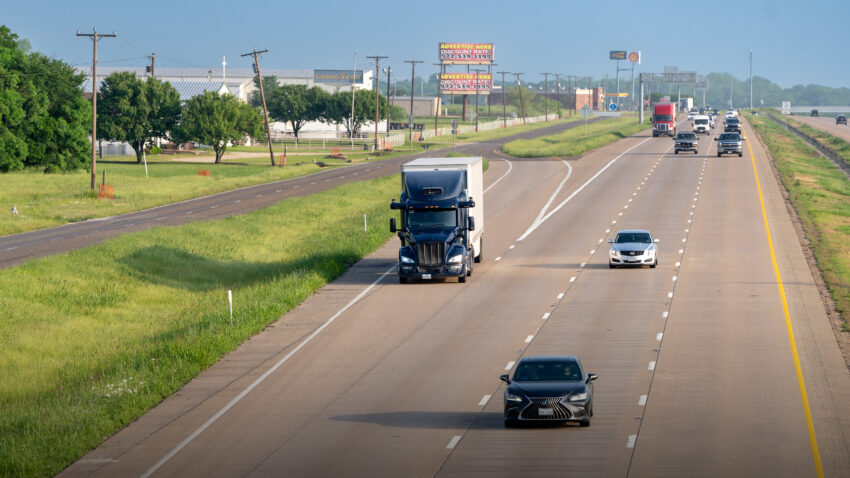
aurora will have hundreds of driverless trucks Aurora, the Pittsburgh-based autonomous trucking company, is set to deploy hundreds of driverless trucks on the roads by the end of 2026, according to CEO Chris Urmson.
aurora will have hundreds of driverless trucks
Progress and Challenges in Autonomous Trucking
Aurora has experienced a year marked by both significant advancements and notable setbacks. Founded by Chris Urmson, a prominent figure in the autonomous vehicle sector, the company initially aimed to launch commercial driverless truck operations in 2024. However, this timeline has been adjusted, with the start date now pushed to April 2025. This delay reflects the complex nature of developing safe and reliable autonomous technology, particularly in the trucking industry, where safety and regulatory concerns are paramount.
In a recent interview, Urmson discussed the challenges faced by Aurora, emphasizing that the decision to delay the launch was not taken lightly. The company has been working diligently to ensure that its technology meets the highest safety standards before it goes live. “2025 for us was really about how do we build it to the level of safety and reliability that we need,” Urmson stated. This commitment to safety is crucial, especially given the potential implications of deploying autonomous trucks on public roads.
Safety Drivers: A Temporary Measure
Despite the setbacks, Urmson remains optimistic about the future of Aurora’s autonomous trucking operations. One notable development has been the decision to reintroduce safety drivers in the cabs of their autonomous trucks. This move came at the request of the trucks’ manufacturer, highlighting the collaborative nature of the industry and the importance of adhering to safety protocols.
Urmson insists that having safety drivers present is more about optics than a reflection of any technological regression. “Operationally, it has no bearing on Aurora’s progress,” he explained. The presence of safety drivers is intended to reassure stakeholders and the public that the company is taking all necessary precautions as it navigates the complexities of autonomous vehicle deployment.
The Road Ahead: Scaling Operations
Looking ahead, Aurora is focused on scaling its operations. The company plans to have “hundreds” of driverless trucks on the road by the end of 2026, a goal that reflects both ambition and confidence in its technology. This scaling is not merely about increasing the number of trucks; it also involves refining the technology and ensuring that it can operate safely and efficiently in a variety of conditions.
Urmson highlighted the importance of partnerships in achieving these goals. Aurora has been collaborating with various stakeholders, including manufacturers, logistics companies, and regulatory bodies, to create a supportive ecosystem for autonomous trucking. These partnerships are essential for addressing the multifaceted challenges that come with deploying autonomous vehicles, from technical hurdles to regulatory compliance.
Technological Innovations
Aurora’s technology is at the forefront of the autonomous vehicle industry. The company has developed a sophisticated software platform that enables its trucks to navigate complex environments, recognize obstacles, and make real-time decisions. This technology is built on years of research and development, drawing on Urmson’s extensive experience in the field.
The software is designed to learn from its experiences, continuously improving its performance over time. This adaptive learning capability is crucial for ensuring that the trucks can handle a wide range of scenarios, from urban driving to highway travel. As the technology matures, Aurora aims to enhance the safety and efficiency of its operations, ultimately leading to a more sustainable and cost-effective transportation solution.
Market Implications
The deployment of autonomous trucks has significant implications for the logistics and transportation industries. As companies like Aurora move closer to commercial operations, the potential for cost savings and efficiency gains becomes increasingly tangible. Autonomous trucks can operate around the clock, reducing delivery times and increasing throughput for logistics providers.
Moreover, the introduction of driverless trucks could help address the ongoing driver shortage that has plagued the trucking industry. With a growing demand for freight transportation and a limited supply of qualified drivers, autonomous trucks offer a viable solution to bridge this gap. However, the transition to autonomous operations will require careful consideration of the workforce’s future, including retraining and reskilling opportunities for existing drivers.
Stakeholder Reactions
The reactions from various stakeholders regarding Aurora’s plans have been mixed. On one hand, investors and industry analysts are optimistic about the potential for autonomous trucking to revolutionize the logistics landscape. The promise of increased efficiency and reduced operational costs has attracted significant interest and investment in the sector.
On the other hand, there are concerns regarding safety, regulatory compliance, and the broader implications for employment in the trucking industry. Critics argue that while the technology holds promise, it is essential to prioritize safety and ensure that the deployment of autonomous trucks does not compromise public trust. Regulatory bodies are also closely monitoring developments in the industry, as they seek to establish guidelines that ensure the safe integration of autonomous vehicles into existing transportation systems.
Regulatory Landscape
The regulatory landscape for autonomous vehicles is still evolving, with various jurisdictions implementing different rules and guidelines. In the United States, the federal government has been working to create a cohesive framework for the testing and deployment of autonomous vehicles. However, the patchwork of state regulations can complicate matters for companies like Aurora that operate across multiple regions.
Urmson emphasized the importance of collaboration with regulators to ensure that safety standards are met while also fostering innovation. “We need to work together to create a regulatory environment that supports the safe deployment of autonomous vehicles,” he stated. This collaborative approach is essential for building public trust and ensuring that the technology can be integrated into the existing transportation infrastructure.
Public Perception and Acceptance
Public perception of autonomous vehicles plays a crucial role in their successful deployment. While there is a growing interest in the technology, concerns about safety and reliability persist. High-profile incidents involving autonomous vehicles have raised questions about their readiness for widespread use, leading to calls for more rigorous testing and oversight.
To address these concerns, Aurora is committed to transparency and open communication with the public. The company aims to educate stakeholders about the safety measures in place and the benefits of autonomous trucking. By fostering a dialogue with the community, Aurora hopes to build trust and acceptance for its technology.
Conclusion: A Vision for the Future
As Aurora prepares for the next phase of its journey, the company remains focused on its vision of a future where autonomous trucks play a central role in the transportation ecosystem. With plans to deploy hundreds of driverless trucks by the end of 2026, Aurora is positioning itself as a leader in the autonomous trucking space.
While challenges remain, the company’s commitment to safety, innovation, and collaboration with stakeholders will be crucial in navigating the complexities of this rapidly evolving industry. As Aurora continues to refine its technology and scale its operations, the potential for transformative change in the logistics and transportation sectors becomes increasingly apparent.
Source: Original report
Was this helpful?
Explore more: More General Technology Tech News Blog
Last Modified: December 10, 2025 at 7:42 pm
12 views














