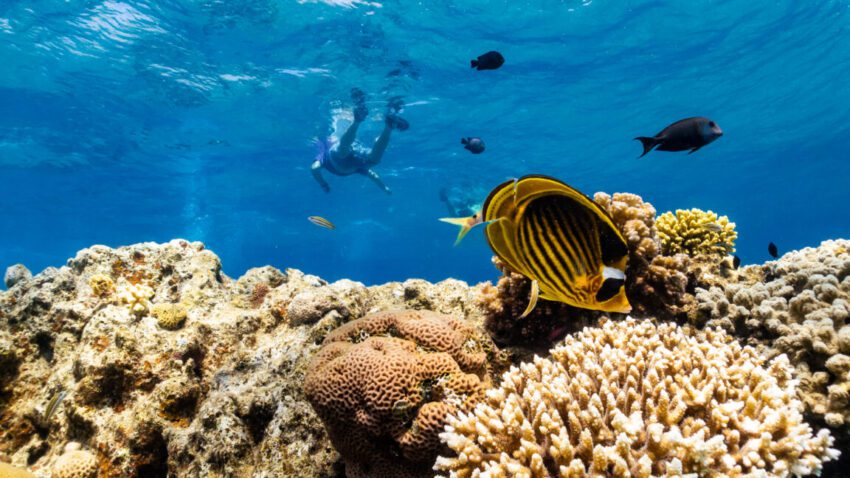
as global warming threatens corals scientists search As global warming continues to pose a significant threat to coral reefs, researchers are actively seeking resilient ecosystems that can withstand rising ocean temperatures.
as global warming threatens corals scientists search
The Role of Technology in Coral Research
In the Central Pacific waters of the Marshall Islands, scientists are employing advanced technologies to better understand and protect coral reefs. Among these technologies is an unmanned surface vehicle known as Yellowfin, which has become an invaluable asset for researchers like Anne Cohen, a tenured scientist at the Woods Hole Oceanographic Institution in Cape Cod. Positioned on the bow of an aluminum landing craft, Cohen relies on Yellowfin to navigate the emerald waters of the Majuro lagoon.
“She’s the best dive buddy,” Cohen remarked, highlighting the robot’s effectiveness in guiding her to specific coordinates. This technology allows researchers to explore areas that may have been previously inaccessible or too dangerous to navigate manually. By using Yellowfin, Cohen and her team can focus on their primary goal: identifying coral reefs that exhibit resilience to climate change.
The Importance of Coral Reefs
Coral reefs are often referred to as the “rainforests of the sea” due to their rich biodiversity and critical role in marine ecosystems. They provide habitat for numerous marine species, protect coastlines from erosion, and support local economies through tourism and fishing industries. However, these vital ecosystems are under severe threat from climate change, particularly due to rising sea temperatures and ocean acidification.
According to the Intergovernmental Panel on Climate Change (IPCC), global ocean temperatures have increased by approximately 1.1 degrees Celsius since the late 19th century. This rise in temperature has led to widespread coral bleaching, a phenomenon where corals expel the symbiotic algae living in their tissues, resulting in a loss of color and essential nutrients. If temperatures continue to rise, many coral species may face extinction.
Searching for Resilient Reefs
In light of these challenges, scientists are focusing their efforts on identifying coral reefs that can withstand higher temperatures. The goal is to locate and study these resilient ecosystems to understand the mechanisms that allow them to thrive in adverse conditions. This research could provide critical insights into how coral reefs might adapt to a changing climate.
During her expedition in the Marshall Islands, Cohen and her team are conducting surveys of various coral species, assessing their health and resilience to temperature fluctuations. They are particularly interested in specific locations that have shown signs of resilience, such as reefs that have survived recent bleaching events.
Field Research and Data Collection
The research team employs a combination of underwater surveys and remote sensing technologies to gather data. Underwater surveys involve divers collecting samples and assessing coral health, while remote sensing allows researchers to monitor larger areas from above the water’s surface. This dual approach enables a comprehensive understanding of the coral ecosystems they are studying.
One of the key metrics researchers are examining is the ability of corals to recover from bleaching events. Some coral species have demonstrated a remarkable capacity to bounce back after experiencing stress, while others have not. By identifying the characteristics of resilient corals, scientists hope to inform conservation strategies and restoration efforts.
Implications for Conservation Efforts
The findings from this research could have far-reaching implications for coral conservation. If scientists can pinpoint the traits that make certain coral species more resilient, these insights could guide restoration efforts in other regions. For example, coral nurseries could focus on cultivating resilient species for transplantation to degraded reefs.
Moreover, understanding the genetic and physiological traits that confer resilience could lead to the development of more effective conservation policies. This knowledge could empower policymakers to prioritize areas for protection and invest in restoration projects that are more likely to succeed in the face of climate change.
Stakeholder Reactions
The urgency of this research has garnered attention from various stakeholders, including environmental organizations, governments, and local communities. Many recognize the importance of coral reefs not only for biodiversity but also for their economic value. Coastal communities that rely on fishing and tourism are particularly vulnerable to the impacts of coral decline.
Local governments in the Marshall Islands have expressed support for the research efforts, understanding that the health of coral reefs directly affects their livelihoods. Additionally, international organizations are increasingly funding projects aimed at coral conservation, recognizing the global significance of these ecosystems.
Future Directions in Coral Research
As the impacts of climate change become more pronounced, the need for innovative research approaches will only grow. In addition to traditional field studies, scientists are exploring the use of genetic engineering and biotechnology to enhance coral resilience. These methods could involve manipulating the genetic makeup of corals to improve their tolerance to heat stress and other environmental factors.
Furthermore, interdisciplinary collaborations between marine biologists, ecologists, and climate scientists are becoming essential. By integrating knowledge from various fields, researchers can develop more comprehensive strategies for coral conservation and restoration.
Community Engagement and Education
Engaging local communities in coral conservation efforts is also crucial. Education programs that raise awareness about the importance of coral reefs and the threats they face can empower individuals to take action. Community-led initiatives, such as reef monitoring and restoration projects, can foster a sense of stewardship and responsibility toward these vital ecosystems.
In the Marshall Islands, local schools have begun incorporating marine science into their curricula, encouraging students to learn about coral reefs and their significance. This grassroots approach not only educates the next generation but also strengthens community ties to their natural environment.
Conclusion
The search for resilient coral reefs is a critical endeavor in the face of global warming. As scientists like Anne Cohen utilize advanced technologies like Yellowfin to explore these ecosystems, they are uncovering valuable insights that could shape the future of coral conservation. The implications of this research extend beyond the reefs themselves, impacting coastal communities, economies, and global biodiversity.
While the challenges posed by climate change are daunting, the resilience of certain coral species offers a glimmer of hope. By focusing on these resilient ecosystems, researchers can pave the way for innovative conservation strategies that may help protect coral reefs for generations to come.
Source: Original report
Was this helpful?
Explore more: More General Technology Tech News Blog
Last Modified: June 20, 2026 at 3:36 am
6 views