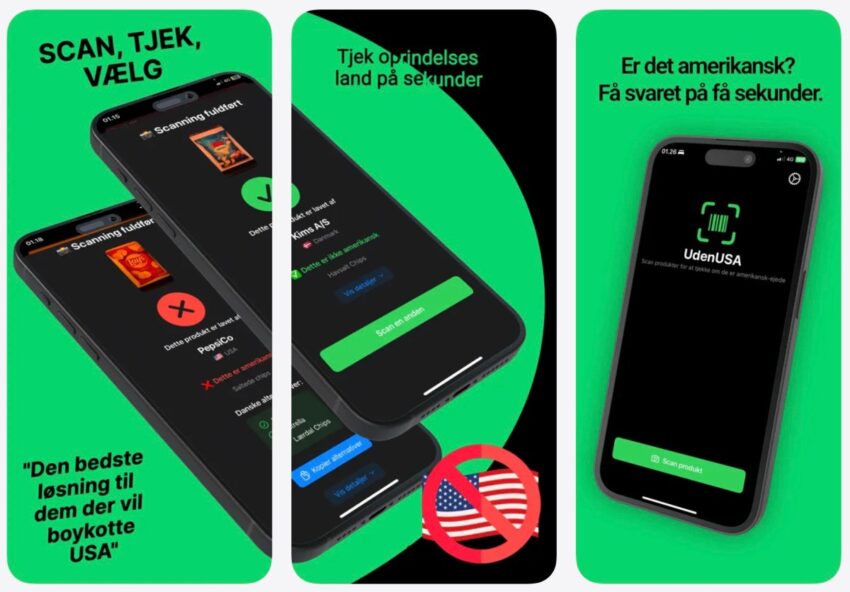
apps for boycotting american products surge to In a notable shift in consumer behavior, apps designed to facilitate the boycott of American products have rapidly ascended to the top of the Danish App Store.
apps for boycotting american products surge to
Background of the Boycott Movement
The recent surge in downloads of boycott-related apps in Denmark is a reflection of a broader grassroots movement among Danish consumers. This movement has gained momentum in response to various geopolitical tensions and cultural disagreements with the United States. The boycott is not limited to products alone; it has also extended to travel and entertainment choices, with many Danes opting to cancel planned vacations to the U.S. and discontinue subscriptions to American streaming services, such as Netflix.
This consumer-driven initiative is indicative of a growing sentiment among Danes who feel that American cultural and economic influence is encroaching upon their local customs and values. The boycott serves as a form of protest against perceived American hegemony, aiming to promote local businesses and encourage a sense of national identity.
Reasons Behind the Boycott
Several factors have contributed to the rise of this boycott movement in Denmark:
- Geopolitical Tensions: Ongoing international disputes and diplomatic strains between Denmark and the U.S. have fueled discontent among some segments of the Danish population. These tensions have led to calls for solidarity among citizens to support local industries.
- Cultural Identity: Many Danes are concerned about the impact of American culture on their own traditions and values. The proliferation of American brands and media has led to fears of cultural homogenization.
- Economic Considerations: The economic implications of supporting local businesses versus foreign corporations have become a focal point. Consumers are increasingly aware of how their spending habits affect local economies.
Impact on the App Market
The rise of boycott-related apps has not only captured the attention of consumers but has also significantly impacted the app market in Denmark. Several applications have emerged, each offering unique features to facilitate the boycott:
- Product Scanners: Some apps allow users to scan barcodes on products to determine their country of origin, helping consumers make informed choices about their purchases.
- Community Platforms: Other apps serve as social networks where users can share experiences, tips, and recommendations for local alternatives to American products.
- Travel Planning Tools: Certain applications focus on helping users plan vacations within Denmark or to other non-American destinations, promoting local tourism.
The rapid rise in popularity of these apps has led to increased visibility for local businesses that may have previously struggled to compete with larger American brands. As more consumers seek to align their purchasing decisions with their values, local entrepreneurs are finding new opportunities for growth.
Stakeholder Reactions
The reactions to this boycott movement have been mixed, with various stakeholders expressing their views:
Consumer Sentiment
Many Danish consumers have expressed strong support for the boycott, viewing it as a necessary step to protect their cultural identity and support local businesses. Social media platforms have become a hotbed for discussions around the boycott, with users sharing personal stories and encouraging others to participate. The grassroots nature of the movement has empowered individuals to take action, fostering a sense of community among those who share similar values.
Business Responses
Local businesses have largely welcomed the boycott, seeing it as an opportunity to attract new customers. Many have begun to market themselves as alternatives to American brands, emphasizing their local roots and commitment to quality. Some businesses have even launched campaigns to promote their products as part of the boycott movement, further solidifying their connection with consumers who are eager to support local initiatives.
Conversely, American companies operating in Denmark have expressed concern over the potential impact of the boycott on their sales and brand reputation. Some have initiated public relations campaigns to mitigate negative perceptions and emphasize their contributions to the Danish economy. However, the effectiveness of these efforts remains to be seen, as consumer sentiment continues to shift.
Political Implications
The boycott movement has also caught the attention of political leaders in Denmark. Some politicians have voiced support for the initiative, framing it as a way to promote national pride and economic independence. Others have cautioned against the potential for economic isolationism, arguing that collaboration with American companies can yield benefits for Denmark.
The political discourse surrounding the boycott highlights the complexities of globalization and the challenges that arise when national identity intersects with international commerce. As the movement gains traction, it may influence future policy discussions regarding trade and cultural exchange.
Long-term Implications
The long-term implications of the boycott movement in Denmark remain uncertain. While it has successfully raised awareness about the importance of supporting local businesses, it also raises questions about the sustainability of such initiatives. As consumer preferences evolve, the challenge will be to maintain momentum and ensure that local businesses can compete effectively in an increasingly globalized market.
Moreover, the success of the boycott may inspire similar movements in other countries, particularly in Europe, where cultural and economic tensions with the U.S. are also present. If this trend continues, it could lead to a broader reevaluation of consumer behavior and the role of national identity in purchasing decisions.
Conclusion
The rise of apps designed to facilitate the boycott of American products in Denmark marks a significant development in consumer behavior and cultural identity. As Danish consumers rally around this grassroots movement, the implications for local businesses, the app market, and international relations are profound. The ongoing dialogue surrounding the boycott will likely shape the future of commerce and cultural exchange in Denmark and beyond.
Source: Original report
Was this helpful?
Explore more: More Consumer Technology Tech News Blog
Last Modified: January 22, 2026 at 5:46 am
24 views