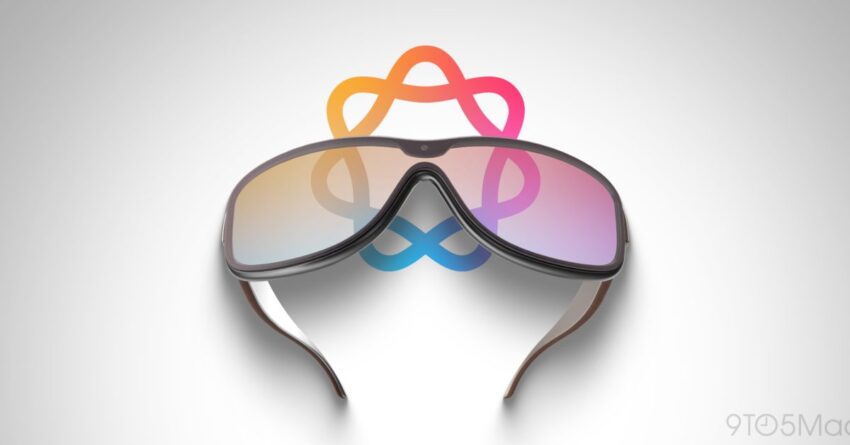
apple s upcoming ai smart glasses are Apple is reportedly intensifying its efforts to develop a new line of AI wearables, including smart glasses, which promise to integrate Siri more deeply into users’ daily routines.
apple s upcoming ai smart glasses are
Overview of Apple’s AI Wearables Initiative
According to a recent report by Bloomberg, Apple is set to accelerate the development of three innovative AI wearables: smart glasses, a pendant, and AirPods equipped with cameras. This strategic move highlights Apple’s commitment to enhancing user interaction with its digital assistant, Siri, making it a more integral part of everyday life. The focus of this article will primarily be on the smart glasses, which have generated considerable excitement and speculation among tech enthusiasts and industry analysts alike.
The Smart Glasses: Features and Functionality
While specific details about the smart glasses remain somewhat elusive, several features have been suggested based on insider information and industry trends. The glasses are expected to incorporate advanced augmented reality (AR) capabilities, allowing users to overlay digital information onto their physical surroundings. This could revolutionize how we interact with both our environment and digital content.
Integration with Siri
A key aspect of the smart glasses will be their integration with Siri, Apple’s voice-activated digital assistant. This integration aims to provide users with hands-free access to information and services, enhancing convenience and usability. For example, users might be able to ask Siri for directions, receive notifications, or control smart home devices—all without needing to pull out their iPhones.
Design and Usability
Design is another critical factor that Apple is likely to prioritize. The company has a history of producing aesthetically pleasing and user-friendly products. The smart glasses are expected to be lightweight and stylish, making them suitable for everyday wear. This focus on design could help mitigate concerns about the social stigma often associated with wearable technology.
Market Context and Competition
Apple’s foray into the smart glasses market comes at a time when several tech giants are also exploring similar technologies. Companies like Google, Facebook (now Meta), and Microsoft have made significant investments in AR and VR technologies, aiming to capture a share of this emerging market. Apple’s entry could potentially reshape the competitive landscape.
Comparative Analysis
- Google Glass: Initially launched in 2013, Google Glass faced criticism for its design and functionality. However, it laid the groundwork for future AR applications.
- Microsoft HoloLens: This device targets enterprise users and has been successful in various industries, including healthcare and manufacturing, but it comes with a high price tag.
- Meta’s AR Glasses: Meta has been vocal about its vision for the metaverse, and its AR glasses are expected to play a significant role in that strategy.
Apple’s smart glasses will need to differentiate themselves from these existing products to capture consumer interest effectively. The combination of sleek design, user-friendly functionality, and seamless integration with the Apple ecosystem could give Apple a competitive edge.
Potential Use Cases
The potential applications for Apple’s smart glasses are vast and varied. Here are some scenarios where these glasses could enhance user experience:
Navigation and Travel
Imagine walking through a new city and receiving real-time navigation prompts directly in your line of sight. The smart glasses could display directions, points of interest, and even restaurant recommendations, making travel more intuitive and enjoyable.
Fitness and Health
For fitness enthusiasts, the glasses could provide real-time feedback during workouts, such as heart rate monitoring, distance tracking, and even guided exercises. This feature could appeal to a broad audience, from casual gym-goers to serious athletes.
Social Interaction
In social settings, the glasses could facilitate interactions by displaying information about the people you meet, such as their names and mutual connections. This could ease social anxiety and enhance networking opportunities.
Workplace Applications
In professional environments, the smart glasses could serve as a valuable tool for collaboration. They could enable virtual meetings, display presentations, and even assist in training scenarios, making remote work more efficient and engaging.
Challenges and Considerations
Despite the excitement surrounding Apple’s smart glasses, several challenges must be addressed before they can become a mainstream product.
Privacy Concerns
One of the most significant challenges is privacy. With cameras embedded in the glasses, there are valid concerns about unauthorized recording and surveillance. Apple will need to implement robust privacy features to reassure users and comply with regulations.
Battery Life and Performance
Another critical consideration is battery life. Wearable technology often struggles with power consumption, and smart glasses will need to balance functionality with longevity. Users will expect all-day performance without frequent recharging.
Market Readiness
The market for smart glasses is still in its infancy. Apple will need to educate consumers about the benefits of the technology and address any skepticism that may exist. A well-planned marketing strategy will be essential for successful adoption.
Stakeholder Reactions
The news of Apple’s accelerated development of smart glasses has elicited a range of reactions from stakeholders, including industry analysts, competitors, and consumers.
Industry Analysts
Many analysts view Apple’s entry into the smart glasses market as a significant move that could validate the technology. They believe that Apple’s design expertise and marketing prowess could lead to widespread adoption, similar to how the iPhone transformed the smartphone landscape.
Competitors
Competitors are likely to respond by ramping up their own development efforts. The presence of a major player like Apple could spur innovation across the industry, leading to improved products and services for consumers.
Consumers
Consumer reactions have been mixed. While many are excited about the potential of smart glasses, others remain skeptical about their practicality and social acceptability. Apple will need to address these concerns through effective communication and product design.
Conclusion
Apple’s upcoming AI smart glasses represent a significant leap forward in wearable technology. With features designed to integrate Siri more deeply into daily life and a focus on user-friendly design, these glasses have the potential to reshape how we interact with the digital world. However, challenges such as privacy concerns and market readiness must be addressed for the product to succeed. As Apple accelerates its development efforts, the tech community will be watching closely to see how this ambitious project unfolds.
Source: Original report
Was this helpful?
Explore more: AI Automation Services More AI & Automation Tech News
Last Modified: February 21, 2026 at 10:38 pm
17 views