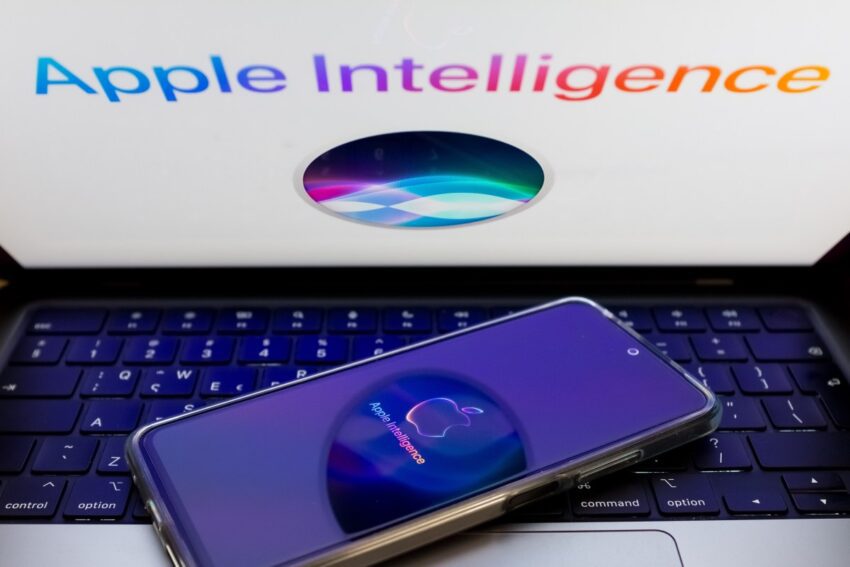
Apple is reportedly planning to transform Siri into an AI chatbot, moving away from its traditional role as a voice-activated assistant.
Overview of Siri’s Evolution
Since its launch in 2011, Siri has undergone numerous updates and enhancements, evolving from a simple voice recognition tool to a more sophisticated virtual assistant. Initially designed to perform basic tasks such as setting reminders, sending messages, and providing weather updates, Siri has gradually integrated more advanced features, including smart home control and personalized recommendations. However, despite these advancements, Siri has often been criticized for its limitations compared to competitors like Amazon’s Alexa and Google Assistant.
Current Functionality of Siri
As it stands, Siri operates primarily as a voice-activated assistant embedded within Apple devices, including iPhones, iPads, Macs, and HomePods. Users can interact with Siri through voice commands, asking it to perform tasks or answer questions. The assistant utilizes machine learning and natural language processing to understand user queries and provide relevant responses. However, many users have expressed frustration with Siri’s inability to engage in more complex conversations or provide nuanced answers.
The Shift Towards AI Chatbots
The proposed shift to an AI chatbot model represents a significant departure from Siri’s current functionality. By adopting a chatbot framework, Apple aims to enhance Siri’s conversational abilities, allowing it to engage in more meaningful interactions with users. This change could position Siri more closely to AI models like ChatGPT, which are designed to facilitate dynamic and context-aware conversations.
What an AI Chatbot Siri Could Look Like
In its envisioned form, an AI chatbot version of Siri would likely incorporate several key features:
- Contextual Understanding: An AI chatbot could maintain context over multiple exchanges, allowing for more fluid conversations. This would enable users to ask follow-up questions without needing to repeat themselves or provide additional context.
- Expanded Knowledge Base: Leveraging vast datasets, an AI-driven Siri could provide more accurate and comprehensive information, answering complex queries that go beyond simple factual responses.
- Personalization: By analyzing user behavior and preferences, an AI chatbot could tailor its responses and suggestions to individual users, enhancing the overall user experience.
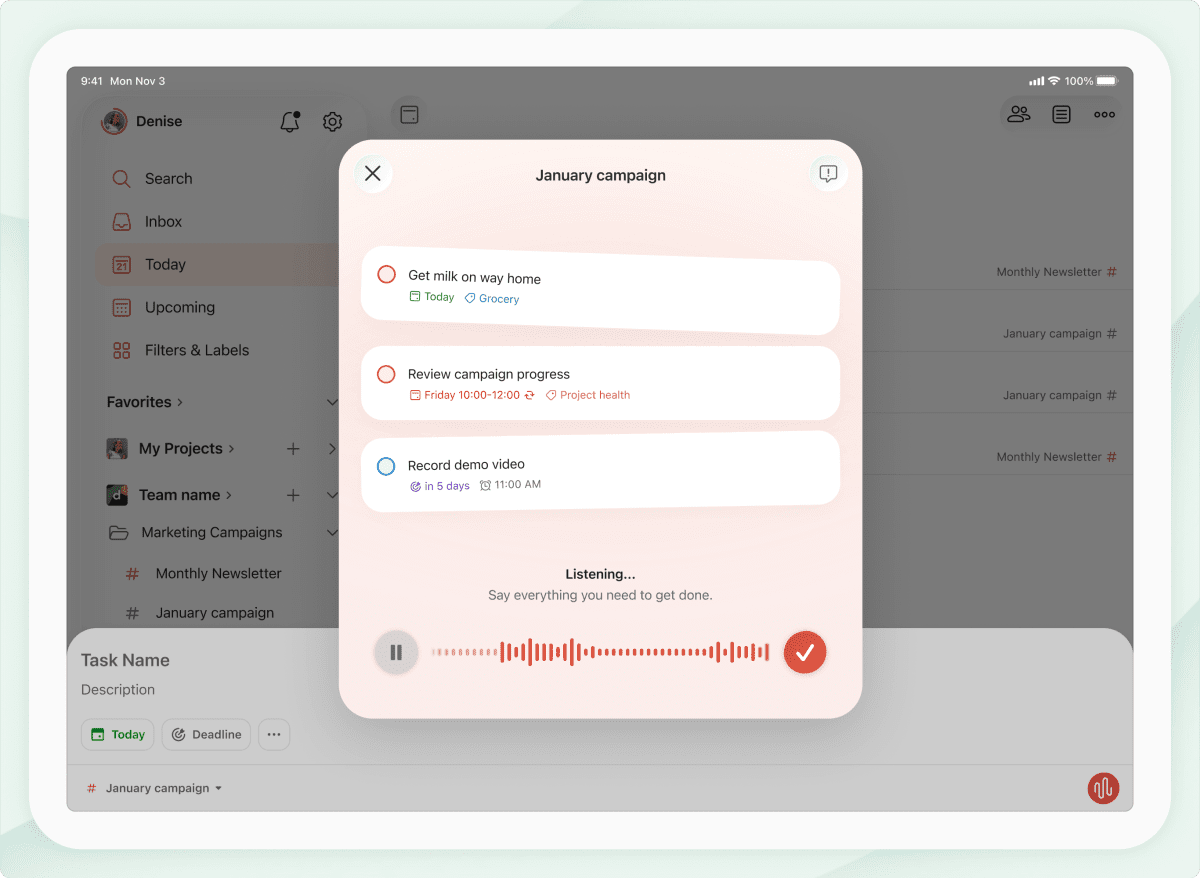
- Multimodal Interaction: An AI chatbot could support various interaction modes, including text-based communication, making it accessible in situations where voice interaction is impractical.
Implications of the Transition
The transition to an AI chatbot model for Siri carries several implications for users, developers, and the broader tech landscape.
User Experience Enhancements
For users, the most immediate benefit would be a more engaging and responsive interaction with Siri. Enhanced conversational capabilities could lead to a more intuitive user experience, allowing individuals to communicate with their devices in a manner that feels more natural. This could also reduce frustration associated with misunderstandings or limitations in Siri’s current capabilities.
Impact on Developers
For developers, the introduction of an AI chatbot could open new avenues for app integration and functionality. Developers may be able to create more sophisticated applications that leverage Siri’s enhanced capabilities, allowing for richer interactions within their apps. This could lead to a proliferation of innovative features and services that utilize the AI chatbot framework.
Competitive Landscape
The move to an AI chatbot model could also shift the competitive dynamics within the virtual assistant market. As Apple enhances Siri’s capabilities, it may attract users who have previously favored other platforms. This could lead to increased competition among major tech companies, pushing them to innovate further and enhance their own virtual assistants.
Stakeholder Reactions
The reaction from stakeholders within the tech industry has been mixed. While many experts welcome the potential improvements in Siri’s functionality, others express skepticism regarding Apple’s ability to execute such a significant transformation.
Industry Experts
Industry analysts have noted that while the shift to an AI chatbot model is promising, it will require substantial investment in research and development. Experts emphasize the importance of maintaining user privacy and data security, particularly as AI systems become more integrated into daily life. The success of an AI chatbot Siri will depend not only on its technical capabilities but also on how well Apple addresses these concerns.
Consumer Sentiment
Consumer sentiment regarding Siri has been mixed in recent years. Many users appreciate the convenience of voice-activated assistance but have voiced frustration over Siri’s limitations. The prospect of an AI chatbot version of Siri has generated excitement among some users, who hope for a more capable and responsive assistant. However, others remain cautious, questioning whether Apple can deliver on its promises.
Challenges Ahead
Despite the potential benefits of transforming Siri into an AI chatbot, several challenges lie ahead for Apple.
Technical Hurdles
Developing a sophisticated AI chatbot requires overcoming significant technical hurdles. Apple will need to invest in advanced natural language processing algorithms and machine learning models capable of understanding and generating human-like responses. This may involve collaboration with AI research institutions or acquiring specialized companies to bolster its capabilities.
Privacy and Security Concerns
As with any AI system, privacy and security concerns will be paramount. Users are increasingly wary of how their data is collected and used, particularly in the context of AI. Apple has built its brand around user privacy, and any missteps in this area could damage its reputation. Ensuring that the AI chatbot operates transparently and securely will be crucial for user trust.
Market Competition
The competitive landscape is another challenge. Companies like Google and Amazon have already established robust AI assistants that are continually evolving. Apple will need to differentiate its AI chatbot from these competitors, offering unique features or capabilities that attract users. This may require innovative thinking and a willingness to take risks in product development.
Conclusion
The potential transformation of Siri into an AI chatbot marks a significant shift in Apple’s approach to virtual assistance. By adopting a more conversational and context-aware model, Apple aims to enhance user interactions and compete more effectively in the crowded market of AI assistants. While challenges remain, the move could ultimately lead to a more capable and engaging Siri, aligning with the evolving expectations of users in an increasingly digital world.
Source: Original report
Was this helpful?
Explore more: AI Automation Services More AI & Automation Tech News
Last Modified: January 22, 2026 at 4:50 am
18 views