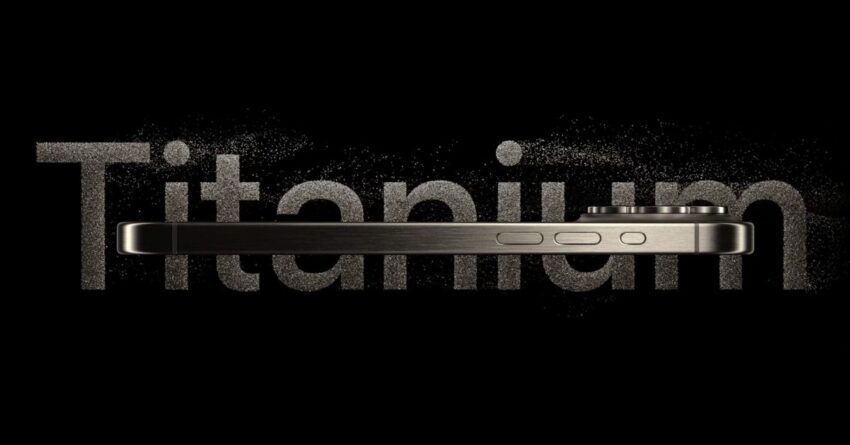
apple might replace aluminum with titanium in Apple is reportedly considering a return to titanium for its future iPhone models, following a brief period of utilizing aluminum in the iPhone 17 Pro.
apple might replace aluminum with titanium in
Background on Material Choices in iPhones
Apple has a long history of experimenting with materials in its iPhone designs, often prioritizing aesthetics, durability, and weight. The transition from aluminum to titanium in previous models was celebrated for its strength and premium feel. Titanium is known for being significantly stronger than aluminum while maintaining a lightweight profile, making it an attractive option for high-end devices. However, the cost and complexity of working with titanium can be considerable, which may explain Apple’s decision to revert to aluminum for the iPhone 17 Pro.
Aluminum in the iPhone 17 Pro
The iPhone 17 Pro, launched in 2023, marked a significant shift in Apple’s design philosophy. By opting for an aluminum-based design, Apple aimed to reduce production costs and streamline manufacturing processes. Aluminum is easier to work with and can be produced at a lower cost compared to titanium. This decision was likely influenced by market conditions and consumer demand for more affordable devices without sacrificing quality.
Despite the advantages of aluminum, some users and critics noted that the material lacks the premium feel associated with titanium. The iPhone 17 Pro, while still a high-quality device, did not have the same luxurious appeal as its titanium predecessors. This feedback may have prompted Apple to reconsider its material choices for future models.
Leaked Information on Future Models
Recent leaks from Weibo leaker Instant Digital suggest that Apple is exploring an improved version of titanium for upcoming iPhone models. This development has sparked interest and speculation within the tech community regarding what this could mean for the future of the iPhone line.
Potential Benefits of Improved Titanium
The new iteration of titanium that Apple is reportedly considering may offer several advantages over both traditional titanium and aluminum. Some potential benefits include:
- Enhanced Durability: Improved titanium could provide greater resistance to scratches and dents, making devices more resilient in everyday use.
- Weight Reduction: Advances in material science may allow for a lighter version of titanium, maintaining the lightweight feel that users expect from modern smartphones.
- Corrosion Resistance: Titanium is naturally resistant to corrosion, and an improved version could enhance this property, extending the lifespan of devices.
- Design Flexibility: New manufacturing techniques may enable Apple to create more intricate designs and finishes that were previously challenging with traditional titanium.
Market Implications
The potential return to titanium could have significant implications for Apple’s market strategy. As consumers increasingly seek premium devices, the use of high-quality materials can differentiate products in a crowded market. By reintroducing titanium, Apple may aim to recapture the luxury segment of the smartphone market, appealing to consumers willing to pay a premium for enhanced durability and aesthetics.
Competitive Landscape
Apple is not the only player in the smartphone market exploring advanced materials. Competitors such as Samsung and Google have also experimented with various materials to enhance their flagship devices. For instance, Samsung has utilized glass and ceramic in its premium models, while Google has focused on sustainable materials in its Pixel line. By moving back to titanium, Apple could position itself as a leader in material innovation, setting trends that competitors may follow.
Stakeholder Reactions
The tech community’s reaction to the news of Apple’s potential material shift has been mixed. Some analysts view the move as a positive step toward enhancing the iPhone’s premium appeal, while others express caution regarding the feasibility and cost implications of using titanium.
Consumer Sentiment
Consumer feedback has been overwhelmingly positive regarding the use of titanium in previous iPhone models. Many users appreciate the premium feel and durability that titanium offers. If Apple successfully integrates an improved version of titanium into future models, it could reignite interest among consumers who prioritize quality and longevity in their devices.
Industry Analysts
Industry analysts are closely monitoring Apple’s material choices, as they can significantly impact production costs and pricing strategies. While titanium is more expensive than aluminum, the potential for higher margins on premium devices could justify the investment. Analysts suggest that if Apple can effectively communicate the benefits of the new titanium to consumers, it may enhance brand loyalty and drive sales.
Challenges Ahead
While the prospect of using improved titanium is exciting, Apple faces several challenges in implementing this material in future iPhone models. These challenges include:
- Manufacturing Complexity: Working with titanium can be more complex than aluminum, requiring specialized techniques and equipment.
- Cost Considerations: The higher cost of titanium could lead to increased retail prices, which may deter some consumers.
- Supply Chain Issues: Sourcing high-quality titanium and ensuring a reliable supply chain could pose additional challenges.
Conclusion
As Apple explores the possibility of reintroducing titanium into its iPhone lineup, the implications for design, market positioning, and consumer perception are significant. The potential benefits of improved titanium could enhance the durability and luxury appeal of future models, but challenges remain in terms of manufacturing and cost. Stakeholders, including consumers and analysts, will be watching closely to see how Apple navigates this transition and what it means for the future of the iPhone.
Source: Original report
Was this helpful?
Explore more: More Hardware & Devices Tech News Blog
Last Modified: May 18, 2026 at 10:37 pm
19 views