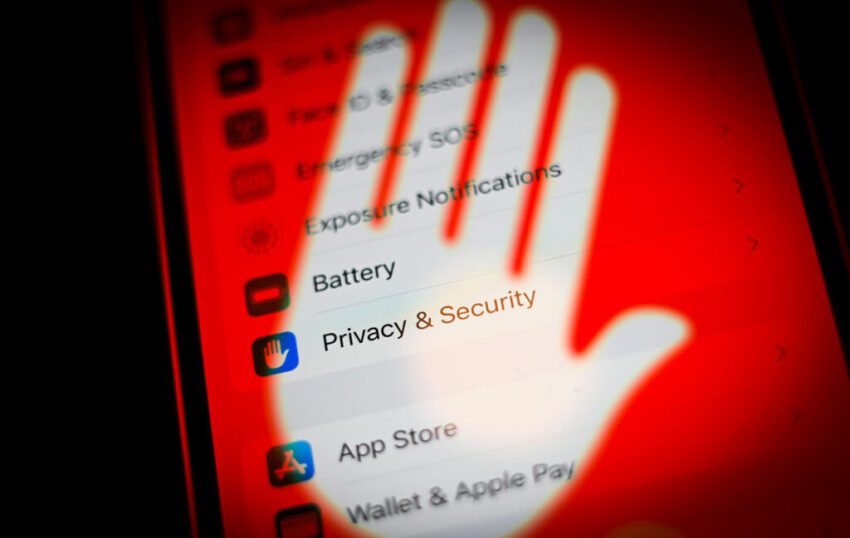
apple hit with 115m fine for extremely Apple has been fined $115 million by Italy’s competition authority for allegedly abusing its dominant market position, particularly through its App Store privacy policies.
apple hit with 115m fine for extremely
Background on the Fine
The fine was imposed on Monday after the Italian Competition Authority (ICA) conducted an investigation into Apple’s practices concerning its App Store. This investigation was prompted by complaints from third-party developers who argued that Apple’s policies were not only restrictive but also detrimental to their ability to operate effectively within the App Store ecosystem.
Central to the ICA’s findings was Apple’s “App Tracking Transparency” (ATT) policy, which was introduced in 2021. This policy requires app developers to obtain explicit consent from users before tracking their data across apps and websites owned by other companies. While the intention behind ATT was to enhance user privacy, the ICA contended that the implementation of this policy placed an undue burden on third-party developers.
Details of the App Tracking Transparency Policy
The ATT policy mandates that app developers must present users with a prompt asking for permission to track their data. This requirement for “double consent” means that developers must not only inform users about data collection but also seek their explicit approval. According to the ICA, this process has proven to be “extremely burdensome” for developers, particularly for smaller companies that may lack the resources to effectively navigate these requirements.
Impact on Third-Party Developers
The ICA’s investigation revealed that many third-party developers experienced significant challenges in generating ad revenue following the introduction of ATT. With users increasingly declining to opt into personalized ads, developers found themselves in a precarious financial position. The regulator noted that smaller developers, in particular, were disproportionately affected, as they often rely heavily on advertising revenue to sustain their businesses.
As a result of these challenges, some developers reported a marked decline in their revenue streams, which in turn affected their ability to invest in new projects or maintain existing applications. The ICA’s findings suggest that Apple’s policies may have inadvertently stifled innovation and competition within the app ecosystem.
Regulatory Response and Implications
The fine imposed on Apple is part of a broader trend of increasing scrutiny on major tech companies regarding their market practices. Regulatory bodies around the world are becoming more vigilant in examining how these companies operate, particularly in relation to competition and consumer protection.
The ICA’s decision to impose a substantial fine on Apple underscores the growing concerns about the power that large tech firms wield over smaller competitors. By requiring developers to seek double consent, Apple is seen as leveraging its dominant position to impose burdensome requirements that could hinder competition in the app marketplace.
Global Context
This ruling is not an isolated incident; it reflects a global movement toward stricter regulations on tech giants. In recent years, various countries have introduced or proposed legislation aimed at curbing the influence of large technology companies. For example, the European Union has been actively working on the Digital Markets Act, which seeks to ensure fair competition in the digital space.
In the United States, lawmakers have also expressed concerns about the practices of major tech companies, with discussions around antitrust legislation gaining momentum. The scrutiny of Apple’s App Store policies fits within this larger narrative of regulatory challenges faced by tech giants as they navigate a complex landscape of consumer protection and competition laws.
Stakeholder Reactions
The response to the ICA’s ruling has been mixed, with various stakeholders weighing in on the implications of the fine. Consumer advocacy groups have largely welcomed the decision, arguing that it is a necessary step toward holding tech companies accountable for their practices. They contend that Apple’s policies have created an uneven playing field, making it difficult for smaller developers to compete effectively.
On the other hand, some industry experts have raised concerns about the potential consequences of the ruling. They argue that while the intention behind the ATT policy is to enhance user privacy, the regulatory response could lead to unintended consequences. For instance, if developers are unable to monetize their apps effectively, they may be less inclined to invest in new innovations or updates, ultimately harming consumers.
Apple’s Position
In response to the fine, Apple has maintained that its App Tracking Transparency policy is designed to protect user privacy and give consumers more control over their data. The company has emphasized that the policy was implemented with the best interests of users in mind, aiming to foster a safer digital environment.
Apple has also pointed out that the ATT policy is not solely about limiting data collection; it is about empowering users to make informed choices regarding their privacy. The company argues that by requiring explicit consent, it is helping to create a more transparent ecosystem where users are aware of how their data is being used.
Future Implications for Apple and the Tech Industry
The $115 million fine serves as a stark reminder of the increasing regulatory pressures facing Apple and other tech giants. As authorities around the world continue to scrutinize the practices of large technology firms, companies like Apple may need to reevaluate their policies to ensure compliance with evolving regulations.
In the wake of this ruling, it is likely that Apple will face additional scrutiny regarding its App Store practices. The fine may prompt the company to consider adjustments to its policies to better accommodate third-party developers while still maintaining its commitment to user privacy.
Potential Changes in App Store Policies
In light of the ICA’s findings, Apple may explore alternative approaches to its App Tracking Transparency policy. One possibility is to streamline the consent process for developers, making it less burdensome while still ensuring that users are informed about data collection practices. This could involve simplifying the user interface for consent prompts or providing developers with more resources to help them navigate the requirements.
Another avenue for Apple could be to enhance its support for smaller developers, offering tools and resources that enable them to better manage their advertising strategies in the wake of the ATT policy. By fostering a more equitable environment for developers, Apple could mitigate some of the concerns raised by the ICA and demonstrate its commitment to supporting innovation within the app ecosystem.
Conclusion
The $115 million fine imposed on Apple by Italy’s competition authority highlights the ongoing tensions between user privacy and the operational realities faced by third-party developers. As regulatory scrutiny intensifies, Apple and other tech giants must navigate a complex landscape of consumer protection and competition laws while striving to maintain their market positions. The outcome of this case may set important precedents for how tech companies approach privacy policies and their relationships with developers in the future.
Source: Original report
Was this helpful?
Explore more: More Big Tech & Platforms Tech News Blog
Last Modified: December 23, 2025 at 3:41 pm
6 views