android 16 qpr3 adds a blue dot Google has introduced a new feature in Android 16 QPR3 that enhances user awareness regarding app access to location data by adding a blue dot notification.
android 16 qpr3 adds a blue dot
Overview of the New Feature
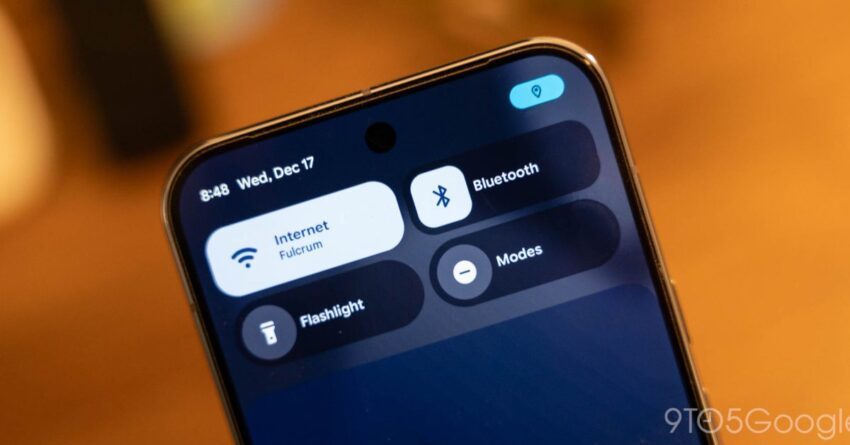
The latest update to Android 16, specifically the QPR3 (Quarterly Platform Release 3), includes a significant enhancement aimed at improving user privacy and transparency. This update introduces a blue dot that appears on the screen whenever an application accesses the device’s location. This feature is designed to provide users with real-time feedback regarding which apps are utilizing their location data, thereby fostering a more transparent relationship between users and applications.
Importance of Location Privacy
Location privacy has become a critical concern for users in the digital age. With the increasing number of applications that request access to location data, users often find themselves in the dark about how their information is being used. The blue dot notification serves as a visual cue, alerting users whenever their location is being accessed. This feature not only enhances user awareness but also empowers users to make informed decisions about their privacy settings.
How the Blue Dot Works
When an application accesses the device’s location, a blue dot will appear in the status bar or on the screen, depending on the device’s configuration. This dot acts as a real-time indicator, allowing users to quickly identify which app is currently using their location. The feature is particularly useful in situations where multiple apps may be running simultaneously, each with varying levels of access to location data.
Technical Implementation
The implementation of the blue dot notification is part of Google’s ongoing efforts to enhance the security and privacy features within the Android operating system. By integrating this feature into the existing location services framework, Google aims to provide a seamless user experience while maintaining robust privacy controls.
Integration with Existing Features
The blue dot notification complements existing privacy features in Android, such as the ability to grant or deny location access to individual applications. Users can manage these permissions through the device settings, allowing them to control which apps can access their location data. The addition of the blue dot serves as a proactive measure, ensuring that users are continuously informed about their location data usage.
User Experience Considerations
From a user experience perspective, the blue dot notification is designed to be unobtrusive yet informative. Users will not be inundated with alerts but will receive a clear visual indication when an app is accessing their location. This balance is crucial in maintaining a positive user experience while also prioritizing privacy concerns.
Stakeholder Reactions
The introduction of the blue dot notification has garnered mixed reactions from various stakeholders, including privacy advocates, app developers, and users themselves. While many privacy advocates have praised the move as a step in the right direction, some app developers express concerns about potential user backlash against apps that require location access for legitimate purposes.
Privacy Advocates’ Perspective
Privacy advocates have welcomed the blue dot feature as a necessary enhancement to user privacy. They argue that increased transparency regarding location data usage is essential in building trust between users and app developers. By providing users with real-time notifications, Google is taking a proactive approach to address privacy concerns that have long plagued the industry.
App Developers’ Concerns
On the other hand, some app developers have raised concerns about the potential for user misunderstanding. Apps that require location access for functionality, such as navigation or weather applications, may face scrutiny from users who may not fully understand the necessity of location data. Developers worry that the blue dot notification could lead to a decline in user engagement or trust, particularly if users perceive location access as intrusive.
User Feedback
Initial user feedback regarding the blue dot notification has been largely positive. Many users appreciate the added layer of transparency and feel more in control of their privacy settings. However, some users have expressed confusion about the feature, particularly regarding which apps are accessing their location and why. This highlights the need for clear communication from Google and app developers about the importance of location data in enhancing user experience.
Implications for Future Updates
The introduction of the blue dot notification may set a precedent for future updates to the Android operating system. As privacy concerns continue to grow, it is likely that Google will explore additional features aimed at enhancing user awareness and control over personal data. This could include further notifications regarding data access, as well as improved settings for managing permissions.
Potential for Expanded Features
Looking ahead, Google may consider expanding the blue dot feature to include additional notifications for other types of sensitive data access, such as microphone or camera usage. By providing users with comprehensive information about how their data is being used, Google can further strengthen its commitment to user privacy and security.
Impact on Competitors
The introduction of the blue dot notification may also influence competitors in the mobile operating system market. As users become more aware of privacy issues, other companies may feel pressured to implement similar features to maintain user trust and satisfaction. This could lead to a broader industry shift towards greater transparency regarding data usage.
Conclusion
The addition of the blue dot notification in Android 16 QPR3 represents a significant step forward in enhancing user privacy and transparency regarding location data access. By providing real-time notifications, Google empowers users to make informed decisions about their privacy settings. While the feature has received mixed reactions from stakeholders, it is clear that the focus on user privacy will continue to shape the future of the Android operating system. As technology evolves, so too will the need for robust privacy measures, and the blue dot notification is a promising start in that direction.
Source: Original report
Was this helpful?
Explore more: Mobile App Development More Mobile Technology Tech News
Last Modified: December 18, 2025 at 10:57 am
39 views