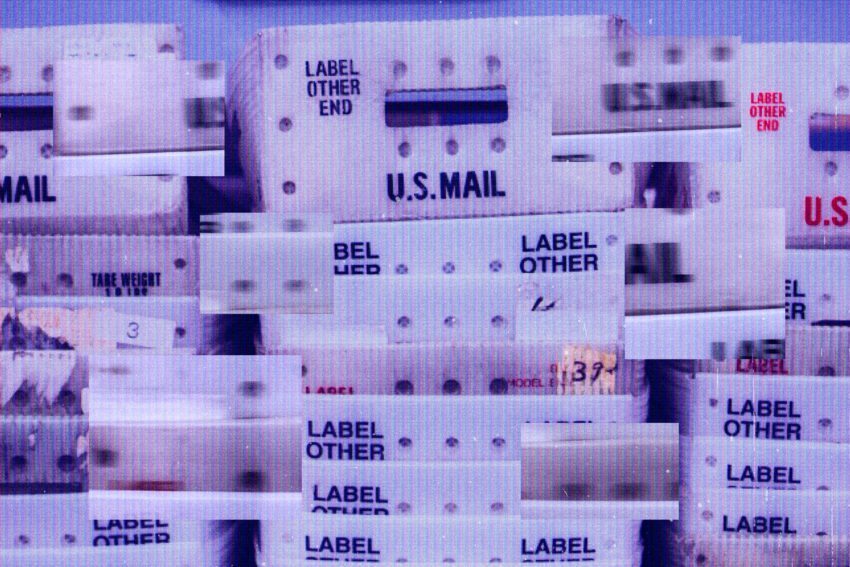
amazon doesn t want the blame for Amazon is taking steps to clarify its position following a report indicating that the company intends to significantly reduce its shipping volume with the United States Postal Service (USPS), which is currently facing financial difficulties.
amazon doesn t want the blame for
Background on Amazon and USPS Relationship
The relationship between Amazon and the USPS has been a crucial element in the logistics of e-commerce in the United States. As one of the largest online retailers, Amazon relies heavily on various shipping methods to fulfill its vast number of orders. The USPS has played a vital role in this supply chain, particularly for last-mile deliveries, which are essential for reaching customers efficiently.
Historically, Amazon has utilized USPS services to deliver packages, especially for its Prime members, who expect quick and reliable shipping options. The partnership has allowed Amazon to keep shipping costs lower while providing a wide-reaching delivery network. However, the dynamics of this relationship have been under scrutiny, especially as the USPS has faced increasing financial pressures in recent years.
Current Financial Struggles of USPS
The USPS has been grappling with significant financial challenges, which have been exacerbated by a decline in mail volume and the increasing shift toward digital communication. According to reports, the agency is running out of money and is in urgent need of reform to stabilize its operations. The financial woes have led to discussions about potential cuts in services and changes in pricing structures.
In a recent statement, USPS officials indicated that the agency is at a critical juncture, with its financial sustainability hanging in the balance. The situation has raised concerns about the future of postal services in the U.S., particularly for rural areas that rely heavily on USPS for mail and package deliveries.
Amazon’s Planned Reductions
According to a report from The Wall Street Journal, Amazon is planning to cut its shipments through the USPS by at least two-thirds by this fall. This reduction is expected to coincide with the expiration of its current contract with the postal service. The decision to scale back on USPS shipments has significant implications for both companies and their respective customers.
Amazon’s move to reduce reliance on USPS is seen as a strategic shift, as the company seeks to optimize its logistics network. The e-commerce giant has been investing heavily in its own delivery infrastructure, including the expansion of its fleet of delivery vans and partnerships with third-party delivery services. This shift may allow Amazon to gain greater control over its shipping processes and reduce costs associated with external carriers.
Amazon’s Response to the Report
In response to the Wall Street Journal’s report, Amazon issued a lengthy statement aimed at clarifying its position. The company emphasized that it did not intend to reduce shipments with the USPS and that the decision to cut back was not made lightly. Amazon stated that negotiations for a new contract had stalled after the USPS “abruptly walked away” from discussions.
This assertion raises questions about the nature of the negotiations between the two entities. Amazon’s statement suggests that the USPS’s actions contributed to the decision to reduce shipments, indicating a breakdown in communication and collaboration. The company expressed its desire to continue working with the USPS but emphasized the need for a mutually beneficial agreement.
Implications for Stakeholders
The implications of Amazon’s decision to cut USPS shipments extend beyond the two companies involved. For consumers, this shift may result in changes to delivery options and timelines. As Amazon moves to rely more on its own logistics network, customers may experience faster delivery times for some orders, while others may face delays if the transition is not managed effectively.
For the USPS, the reduction in shipments from Amazon represents a significant loss of revenue. As one of the largest customers of the postal service, Amazon’s decreased reliance on USPS could further exacerbate the agency’s financial struggles. This could lead to potential service reductions, increased prices, or even layoffs, which would have a ripple effect on employees and communities that depend on postal services.
Reactions from Industry Experts
Industry experts have weighed in on the implications of Amazon’s decision to cut back on USPS shipments. Some analysts believe that this move reflects a broader trend in the logistics industry, where companies are increasingly seeking to control their supply chains and reduce dependence on traditional carriers.
Others argue that the USPS must adapt to the changing landscape of e-commerce and logistics. As more companies invest in their own delivery networks, the USPS may need to reevaluate its pricing structures and service offerings to remain competitive. This could involve exploring partnerships with private carriers or enhancing its own delivery capabilities.
Future of USPS and E-commerce Logistics
The future of the USPS and its relationship with major e-commerce players like Amazon remains uncertain. As the postal service navigates its financial challenges, it will need to find innovative solutions to sustain its operations. This may involve seeking additional funding from the federal government or implementing reforms to improve efficiency.
For Amazon, the decision to reduce shipments through USPS may signal a new phase in its logistics strategy. The company has been actively expanding its own delivery capabilities, including the launch of Amazon Air and the development of a network of delivery drivers. This shift could position Amazon to compete more effectively in the logistics space, but it also raises questions about the long-term viability of partnerships with traditional carriers.
Conclusion
The evolving relationship between Amazon and the USPS highlights the complexities of modern logistics and the challenges faced by traditional postal services in an increasingly digital world. As both entities navigate their respective challenges, the outcome of their negotiations and the implications for consumers and employees will be closely watched. The future of postal services in the U.S. may depend on how well the USPS can adapt to the changing landscape of e-commerce and logistics.
Source: Original report
Was this helpful?
Explore more: More Business & Startups Tech News Blog
Last Modified: March 19, 2026 at 8:41 am
16 views