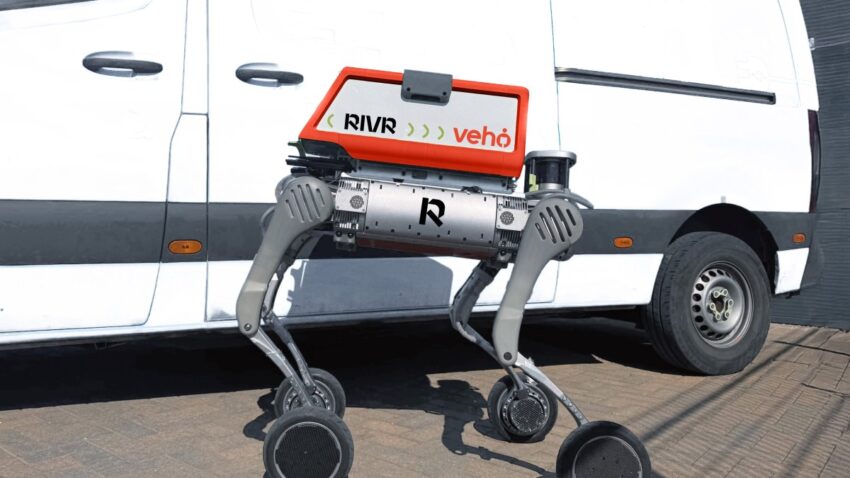
amazon acquires rivr maker of a stair-climbing Amazon has officially acquired Rivr, a startup known for its innovative stair-climbing delivery robot, marking a significant move in the e-commerce giant’s ongoing efforts to enhance its delivery capabilities.
amazon acquires rivr maker of a stair-climbing
Background on Rivr
Founded in 2020, Rivr has quickly gained attention for its unique approach to last-mile delivery. The company developed a robot designed specifically to navigate stairs, a common obstacle in urban environments where many deliveries occur. This capability allows for greater flexibility in delivery logistics, particularly in areas where traditional delivery methods face challenges.
Rivr’s technology is based on advanced robotics and artificial intelligence, enabling the robot to assess its surroundings and make real-time decisions. The robot is equipped with sensors that help it detect obstacles and navigate complex environments, making it a valuable asset for any delivery service. The startup’s focus on solving the last-mile delivery problem aligns closely with Amazon’s broader strategy to streamline its logistics and enhance customer satisfaction.
The Acquisition
The acquisition of Rivr comes as no surprise, as Amazon and its founder, Jeff Bezos, had previously invested in the startup. This prior investment indicates a long-standing interest in Rivr’s technology and its potential applications within Amazon’s delivery network. The financial details of the acquisition have not been disclosed, but industry analysts speculate that the deal could be worth millions, considering Rivr’s innovative technology and the growing demand for efficient delivery solutions.
Strategic Implications for Amazon
This acquisition signals Amazon’s commitment to improving its doorstep delivery services. As e-commerce continues to grow, the demand for efficient and reliable delivery methods has never been higher. Rivr’s stair-climbing robot could significantly enhance Amazon’s ability to deliver packages to customers living in multi-story buildings or areas with challenging terrain.
By integrating Rivr’s technology into its logistics operations, Amazon could potentially reduce delivery times and costs. The ability to navigate stairs without the need for human intervention could also alleviate some of the pressures on delivery personnel, allowing them to focus on other aspects of the delivery process. This move aligns with Amazon’s ongoing efforts to automate its operations and leverage technology to improve efficiency.
Market Context
The last-mile delivery market has become increasingly competitive, with various companies exploring innovative solutions to meet consumer demands. Rivr’s technology positions it as a key player in this space, particularly as urbanization continues to rise. More people are living in densely populated areas, where traditional delivery methods may not be as effective.
Amazon’s acquisition of Rivr is part of a broader trend in the logistics industry, where companies are investing in automation and robotics to enhance their delivery capabilities. Other major players, including FedEx and UPS, have also been exploring similar technologies to improve their last-mile delivery services. The integration of robotics into delivery operations is expected to become more common as companies seek to optimize their logistics and reduce operational costs.
Stakeholder Reactions
The acquisition has garnered mixed reactions from industry stakeholders. Some experts view it as a positive development for Amazon, suggesting that the integration of Rivr’s technology could enhance the company’s competitive edge in the e-commerce space. Others, however, express concerns about the implications of increased automation in the delivery industry.
Labor advocates have raised alarms about the potential impact of robotics on delivery jobs. As companies like Amazon continue to automate their operations, there is a growing fear that many delivery personnel could face job displacement. The conversation around automation and its effects on the workforce is likely to intensify as more companies adopt similar technologies.
Rivr’s Future
With Amazon’s backing, Rivr is poised for significant growth. The resources and expertise that Amazon brings to the table could accelerate the development of Rivr’s technology and expand its applications beyond just stair-climbing robots. There is potential for Rivr to develop additional robotic solutions tailored to various delivery scenarios, further enhancing Amazon’s logistics capabilities.
Moreover, Rivr’s technology could be adapted for use in other industries, such as healthcare and hospitality, where the need for efficient delivery systems is also growing. The versatility of Rivr’s robotics could open new avenues for the company, allowing it to diversify its offerings and reach new markets.
Challenges Ahead
Despite the promising outlook, Rivr will face challenges as it integrates into Amazon’s vast logistics network. The company must ensure that its technology can seamlessly operate within Amazon’s existing systems and processes. Additionally, as Rivr’s robots become more prevalent, there may be regulatory hurdles to navigate, particularly concerning safety and operational standards.
Furthermore, the competitive landscape is evolving rapidly. Rivr will need to continuously innovate to stay ahead of other companies developing similar technologies. The pressure to deliver cutting-edge solutions will be paramount as the demand for efficient delivery systems continues to grow.
Conclusion
The acquisition of Rivr by Amazon represents a significant step forward in the evolution of last-mile delivery solutions. As e-commerce continues to expand, the need for innovative technologies that can navigate urban environments will only increase. Rivr’s stair-climbing robot offers a glimpse into the future of delivery logistics, where automation and robotics play a central role in meeting consumer demands.
As Amazon integrates Rivr’s technology into its operations, the implications for the delivery industry will be profound. While the acquisition raises questions about the future of delivery jobs, it also presents opportunities for innovation and growth. The coming years will likely see the continued evolution of delivery solutions, driven by advancements in robotics and automation.
Source: Original report
Was this helpful?
Explore more: AI Automation Services More AI & Automation Tech News
Last Modified: March 20, 2026 at 9:39 am
17 views