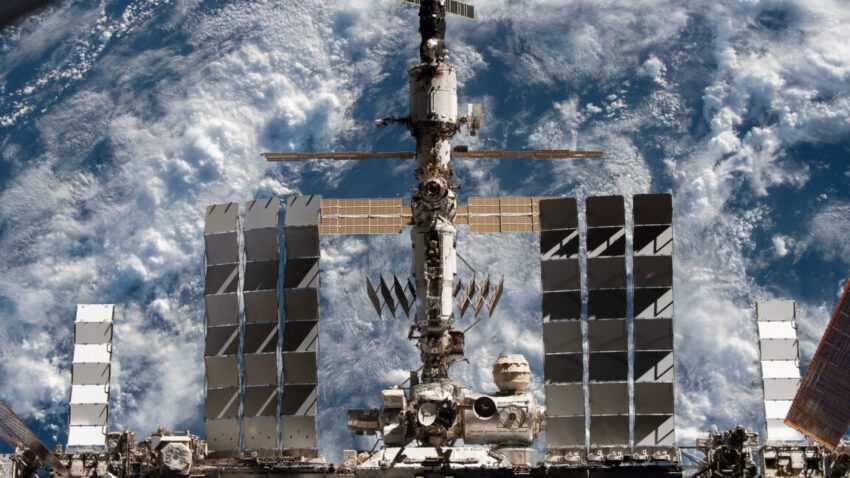
after half a decade the russian space A small section of the International Space Station that has experienced persistent leaks for years appears to have stopped venting atmosphere into space.
after half a decade the russian space
Background on the International Space Station
The International Space Station (ISS) is a collaborative project involving multiple countries, primarily the United States, Russia, Europe, Japan, and Canada. Launched in 1998, the ISS serves as a microgravity research laboratory where scientific research is conducted in astrobiology, astronomy, meteorology, physics, and other fields. It orbits Earth at an altitude of approximately 400 kilometers (about 248 miles) and travels at a speed of 28,000 kilometers per hour (17,500 miles per hour).
The ISS is composed of multiple interconnected modules, each serving specific functions, including living quarters, laboratories, and docking ports for visiting spacecraft. Among these modules is the Russian segment, which includes several key components, such as the Zvezda service module and the PrK module. The PrK module, in particular, has been the focus of concern due to its structural issues.
The PrK Module and Its Issues
The PrK module, located between a Progress spacecraft airlock and the Zvezda module, has been plagued by leaks for several years. These leaks were attributed to microscopic structural cracks that developed over time. The situation became increasingly alarming for both Russian and American operators of the ISS, particularly after the rate of leakage doubled in 2024. This escalation prompted NASA officials to classify the leak as a “high likelihood” and “high consequence” risk, raising concerns about the overall safety and integrity of the space station.
In the context of space operations, even minor leaks can have significant implications. The ISS is designed to maintain a stable internal atmosphere, and any loss of air can pose risks to the crew’s safety and the station’s operational capabilities. The ongoing leaks from the PrK module not only threatened the station’s atmosphere but also raised questions about the long-term viability of the Russian segment of the ISS.
Recent Developments
Recent reports indicate a positive turn of events regarding the leaks from the PrK module. According to two independent sources, the leaks have ceased. NASA has since confirmed this information, marking a significant milestone in the ongoing efforts to ensure the safety and functionality of the ISS.
Confirmation from NASA
The confirmation from NASA is particularly noteworthy, as the agency has been closely monitoring the situation. NASA officials had previously expressed serious concerns about the leaks, emphasizing the potential risks associated with them. The cessation of the leaks represents a critical development, alleviating some of the anxiety surrounding the integrity of the ISS.
Implications for the ISS Operations
The stopping of the leaks has several implications for the operations of the ISS. First and foremost, it enhances the safety of the crew members aboard the station. With the atmosphere stabilized, astronauts can continue their research and daily activities without the looming concern of a deteriorating environment.
Moreover, the cessation of leaks may allow for more extensive scientific experiments to be conducted in the Russian segment of the ISS. The Russian modules have been integral to various research projects, and a stable environment is crucial for the success of these endeavors. Researchers can now focus on their work without the distraction of potential atmospheric loss.
Stakeholder Reactions
The news of the leaks stopping has been met with relief from various stakeholders involved in the ISS program. NASA officials have expressed cautious optimism, emphasizing the importance of continued monitoring to ensure that the situation remains stable. The agency’s commitment to maintaining the safety of the ISS is evident in its proactive approach to addressing the leaks.
Russian space officials have also reacted positively to the news. The Russian segment of the ISS has faced scrutiny in recent years, and the cessation of leaks is a welcome development for the Russian space agency, Roscosmos. It reflects their ongoing efforts to address technical challenges and maintain the functionality of their modules.
Future Monitoring and Maintenance
While the cessation of leaks is a significant achievement, it is essential to recognize that ongoing monitoring and maintenance will be crucial moving forward. The ISS is a complex structure, and the aging of its components poses continuous challenges. NASA and Roscosmos will need to collaborate closely to ensure that any future issues are identified and addressed promptly.
Regular inspections and maintenance procedures will be vital in preventing similar problems from arising in the future. The lessons learned from the PrK module’s leaks can inform best practices for maintaining the integrity of other modules within the ISS.
Broader Context of Space Exploration
The situation surrounding the PrK module and its leaks is emblematic of the broader challenges faced in space exploration. As technology advances and more nations engage in space activities, the need for international collaboration becomes increasingly important. The ISS serves as a model for cooperative efforts in space, bringing together diverse expertise and resources to achieve common goals.
However, the challenges faced by the ISS also highlight the vulnerabilities inherent in space operations. Aging infrastructure, technical malfunctions, and the harsh environment of space can all contribute to operational difficulties. As nations continue to explore space, addressing these challenges will be crucial for the success of future missions.
The Future of the ISS
Looking ahead, the ISS is expected to remain operational until at least 2028, with discussions ongoing about its future beyond that date. The cessation of leaks from the PrK module is a positive sign for the continued viability of the Russian segment and the ISS as a whole. However, the international community must remain vigilant in addressing the challenges that arise as the station ages.
Future missions to the ISS will likely focus on scientific research, technology development, and international collaboration. The successful resolution of the PrK module’s leaks underscores the importance of teamwork in space exploration, as both Russian and American officials worked together to address the issue.
Conclusion
The recent confirmation that the leaks from the PrK module have stopped is a significant development for the International Space Station. It alleviates concerns about the safety and functionality of the Russian segment, allowing crew members to focus on their research without the threat of atmospheric loss. As stakeholders react positively to this news, ongoing monitoring and maintenance will be essential to ensure the continued success of the ISS. The challenges faced by the ISS serve as a reminder of the complexities of space exploration and the importance of international collaboration in overcoming them.
Source: Original report
Was this helpful?
Explore more: DevOps Services More Cloud & DevOps Tech News
Last Modified: January 2, 2026 at 10:36 pm
15 views