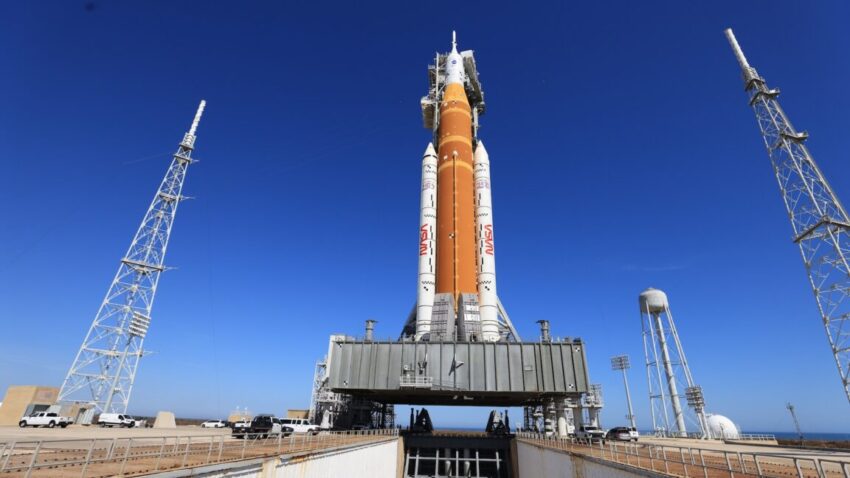
after fueling test optimism grows for march NASA’s recent successful fueling test of the Space Launch System (SLS) rocket has generated optimism for the upcoming Artemis II mission, which aims to send four astronauts around the Moon as early as March 6.
after fueling test optimism grows for march
Overview of the Artemis II Mission
The Artemis II mission represents a significant milestone in NASA’s broader Artemis program, which aims to return humans to the Moon and eventually pave the way for future missions to Mars. This mission will be the first crewed flight of the SLS rocket and the Orion spacecraft, marking a pivotal moment in lunar exploration. The Artemis program is designed not only to land astronauts on the Moon but also to establish a sustainable human presence there, which is essential for future deep space exploration.
Objectives of Artemis II
The primary objective of Artemis II is to conduct a crewed lunar flyby, allowing astronauts to experience the challenges of space travel and gather data that will inform future missions. The mission will provide critical insights into the performance of the SLS and Orion systems in a crewed environment. This data is vital for ensuring the safety and success of subsequent Artemis missions, particularly Artemis III, which aims to land astronauts on the lunar surface.
Recent Fueling Test Details
The second fueling test, conducted on Thursday night at Kennedy Space Center in Florida, was a crucial step in preparing for the launch. Unlike the first attempt on February 2, which was marred by significant hydrogen gas leaks, this test proceeded without major issues. Technicians had previously addressed the leak by replacing seals in the rocket’s main fueling line, and their efforts paid off during this latest test.
Technical Improvements
Following the first fueling attempt, NASA engineers worked diligently to identify and rectify the issues that had caused the leaks. The successful performance of the new seals during the second test indicates that these improvements were effective. Lori Glaze, acting associate administrator for NASA’s exploration programs, noted, “For the most part, those fixes all performed pretty well yesterday. We were able to fully fuel the SLS rocket within the planned timeline.” This successful test has provided NASA with the confidence needed to proceed with the Artemis II launch preparations.
Implications of the Successful Test
The successful completion of the fueling test has significant implications for the Artemis program. It not only boosts confidence among NASA officials but also enhances public interest and support for the mission. The Artemis program has faced delays and challenges, and the successful test serves as a reminder of the complexities involved in space exploration.
Stakeholder Reactions
Reactions from various stakeholders have been largely positive. NASA officials, engineers, and the astronauts selected for Artemis II have expressed their enthusiasm for the upcoming mission. The astronauts, who will be the first to fly on the SLS and Orion, have been actively involved in the preparation process and are eager to contribute to this historic mission. Their involvement underscores the collaborative nature of the Artemis program, which relies on the expertise of numerous teams across NASA and its partners.
Challenges Ahead
While the successful fueling test is a significant achievement, challenges remain as NASA prepares for the March launch. The agency must ensure that all systems are functioning optimally and that safety protocols are rigorously followed. The SLS rocket and Orion spacecraft are complex systems, and any issues that arise in the lead-up to the launch could necessitate further testing or adjustments.
Future Testing and Preparations
In the coming weeks, NASA will conduct additional tests and simulations to ensure that the SLS and Orion are ready for the mission. These preparations will include final checks of the rocket’s systems, as well as crew training exercises to familiarize the astronauts with the spacecraft and its operations. The agency is committed to maintaining a high standard of safety and performance as it approaches the launch date.
Broader Context of the Artemis Program
The Artemis II mission is part of a larger vision for human exploration of the Moon and beyond. NASA’s Artemis program aims to establish a sustainable presence on the Moon by the end of the decade, which will serve as a stepping stone for future missions to Mars. The program is also designed to foster international collaboration in space exploration, with partnerships established with various space agencies and private companies.
International Collaboration
International collaboration is a key component of the Artemis program. NASA has engaged with space agencies from around the world, including the European Space Agency (ESA), the Japan Aerospace Exploration Agency (JAXA), and others. These partnerships are essential for sharing knowledge, technology, and resources, which can enhance the overall success of lunar exploration efforts.
Public Interest and Support
The Artemis program has garnered significant public interest, particularly as it aims to return humans to the Moon for the first time since the Apollo missions. The prospect of sending astronauts back to the lunar surface has captured the imagination of many, and NASA is actively working to engage the public through educational initiatives and outreach programs. These efforts aim to inspire the next generation of scientists, engineers, and explorers.
Educational Initiatives
NASA has launched various educational initiatives to promote interest in space exploration among students and the general public. These initiatives include interactive exhibits, educational resources, and opportunities for students to engage with scientists and engineers involved in the Artemis program. By fostering a sense of curiosity and excitement about space, NASA hopes to inspire future generations to pursue careers in science, technology, engineering, and mathematics (STEM).
Looking Ahead
As the Artemis II mission approaches, the excitement surrounding the launch continues to build. The successful fueling test has provided a much-needed boost of confidence, but the road ahead remains complex and challenging. NASA’s commitment to safety and thorough preparation will be critical as the agency works to ensure a successful mission.
Final Preparations
In the final weeks leading up to the launch, NASA will focus on completing all necessary preparations, including final system checks and crew training. The agency is determined to ensure that the Artemis II mission is not only successful but also sets the stage for future lunar exploration efforts. The lessons learned from this mission will be invaluable as NASA continues to push the boundaries of human exploration beyond Earth.
Conclusion
The successful completion of the recent fueling test marks a significant step forward for NASA’s Artemis II mission. As the agency prepares for the March 6 launch, the focus will remain on ensuring the safety and success of the mission. With the support of stakeholders, international partners, and the public, NASA is poised to embark on a new chapter in human space exploration, one that aims to return astronauts to the Moon and ultimately pave the way for future missions to Mars.
Source: Original report
Was this helpful?
Explore more: More General Technology Tech News Blog
Last Modified: February 21, 2026 at 6:36 am
9 views