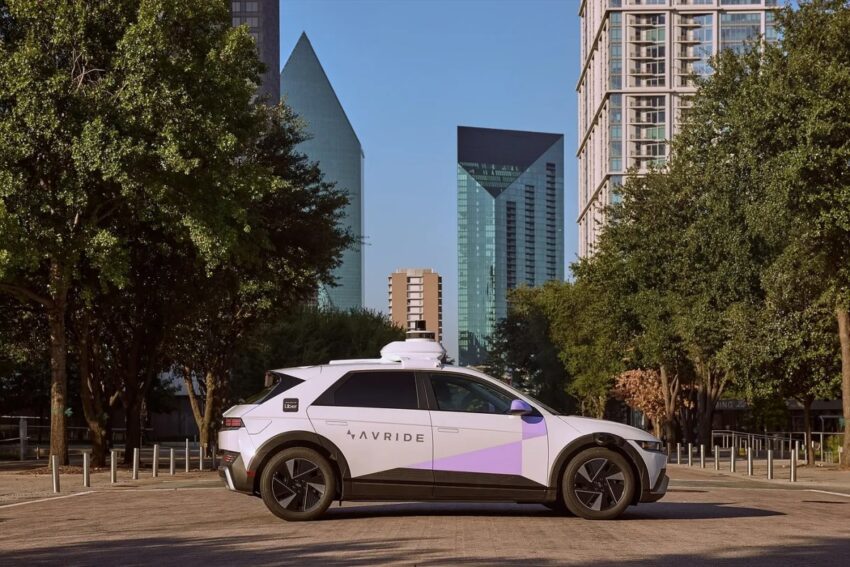
a self-driving car in texas hit and A self-driving car in Texas has sparked significant community outrage after it struck and killed a mother duck, raising questions about the safety and ethical implications of autonomous vehicles.
a self-driving car in texas hit and
Incident Overview
The incident occurred in a residential area near Austin, Texas, involving an Avride autonomous vehicle. Eyewitness accounts describe a harrowing scene where the vehicle reportedly did not slow down or show any signs of hesitation as it approached the duck. A witness stated, “It didn’t slow down or hesitate at all, just steamrolled right through.” This incident has ignited a firestorm of criticism from local residents who are concerned about the implications of self-driving technology in their neighborhoods.
Community Reaction
The reaction from the community has been swift and vocal. Many residents expressed their anger and frustration over the incident, emphasizing that the loss of the mother duck is not just a tragic event but also a reflection of broader concerns regarding the safety of autonomous vehicles. Social media platforms have been flooded with posts condemning the vehicle’s behavior, with some residents calling for stricter regulations on self-driving cars.
Local wildlife advocates have also weighed in, emphasizing the importance of protecting animals in urban environments. “This incident highlights a critical issue: how do we ensure that technology respects the lives of all creatures, big and small?” said a representative from a local animal rights organization. The sentiment among community members is that the technology should be designed with a greater emphasis on safety and ethical considerations.
Understanding Autonomous Vehicle Technology
To fully grasp the implications of this incident, it is essential to understand how autonomous vehicles operate. Self-driving cars utilize a combination of sensors, cameras, and artificial intelligence to navigate their surroundings. These technologies are designed to detect obstacles, including pedestrians and animals, and to make decisions based on the data they collect.
However, the technology is not infallible. Critics argue that while autonomous vehicles can significantly reduce human error, they may also lack the nuanced decision-making capabilities that a human driver would employ in a similar situation. For instance, a human driver might instinctively brake or swerve to avoid hitting an animal, while a self-driving car may prioritize other factors, such as maintaining speed or avoiding a collision with other vehicles.
Ethical Considerations
The ethical implications of autonomous vehicles extend beyond just the loss of animal life. They raise fundamental questions about the responsibilities of technology developers and manufacturers. Who is accountable when a self-driving car causes harm? Should there be regulations that require autonomous vehicles to prioritize the safety of all living beings, including animals?
In the case of the Avride vehicle, the lack of a response to the presence of the duck has led many to call for a reevaluation of the algorithms that govern these vehicles. Advocates argue that developers should incorporate ethical decision-making frameworks into the programming of autonomous systems, allowing them to make more humane choices in real-time scenarios.
Legal and Regulatory Landscape
The incident has also sparked discussions about the current legal and regulatory framework surrounding autonomous vehicles. In the United States, the regulation of self-driving cars varies significantly from state to state. While some states have embraced the technology and implemented permissive laws, others have taken a more cautious approach, emphasizing the need for rigorous testing and safety protocols.
In Texas, the regulatory environment has been relatively favorable for autonomous vehicle testing. However, incidents like the one involving the Avride vehicle may prompt lawmakers to reconsider existing regulations. Some community members are advocating for stricter guidelines that would require autonomous vehicles to undergo comprehensive safety assessments, particularly in residential areas where interactions with wildlife and pedestrians are more likely.
Potential Changes in Policy
In response to the public outcry, local officials are beginning to explore potential policy changes. Some have suggested implementing mandatory training for autonomous vehicle operators and developers, focusing on ethical considerations and the importance of animal safety. Others are calling for public forums to discuss the implications of self-driving technology and to gather community input on how to proceed.
Additionally, there is a growing movement advocating for the establishment of wildlife protection zones in urban areas, where autonomous vehicles would be required to slow down or stop when animals are detected. This could involve the use of advanced sensor technology that specifically identifies animals and triggers an appropriate response from the vehicle.
Broader Implications for Technology and Society
The incident involving the Avride vehicle is not an isolated case. It reflects a broader societal challenge as we integrate advanced technologies into our daily lives. The rapid development of autonomous systems raises questions about the balance between innovation and ethical responsibility. As self-driving cars become more prevalent, society must grapple with the consequences of their deployment.
Moreover, the incident highlights the need for ongoing dialogue between technology developers, policymakers, and the community. Engaging stakeholders in discussions about the ethical implications of autonomous vehicles can lead to more responsible innovation and better outcomes for both humans and animals.
Future of Autonomous Vehicles
Looking ahead, the future of autonomous vehicles will likely involve a greater emphasis on safety and ethical considerations. As public awareness of these issues grows, companies may be compelled to adopt more stringent safety measures and to prioritize the development of technology that respects all forms of life. This could include investing in research that explores how autonomous systems can better navigate complex environments while minimizing harm to animals and humans alike.
Furthermore, as technology continues to evolve, there may be opportunities for collaboration between tech companies and wildlife conservation organizations. By working together, stakeholders can develop solutions that not only enhance the safety of autonomous vehicles but also promote the protection of wildlife in urban settings.
Conclusion
The tragic incident involving the Avride self-driving car and the mother duck serves as a poignant reminder of the ethical and safety challenges posed by autonomous vehicles. As communities grapple with the implications of this technology, it is crucial for all stakeholders to engage in meaningful dialogue and to advocate for policies that prioritize the well-being of both humans and animals. The future of autonomous vehicles should not only be about innovation but also about ensuring that technology aligns with our values and responsibilities as stewards of the environment.
Source: Original report
Was this helpful?
Explore more: More Big Tech & Platforms Tech News Blog
Last Modified: April 9, 2026 at 10:40 am
11 views