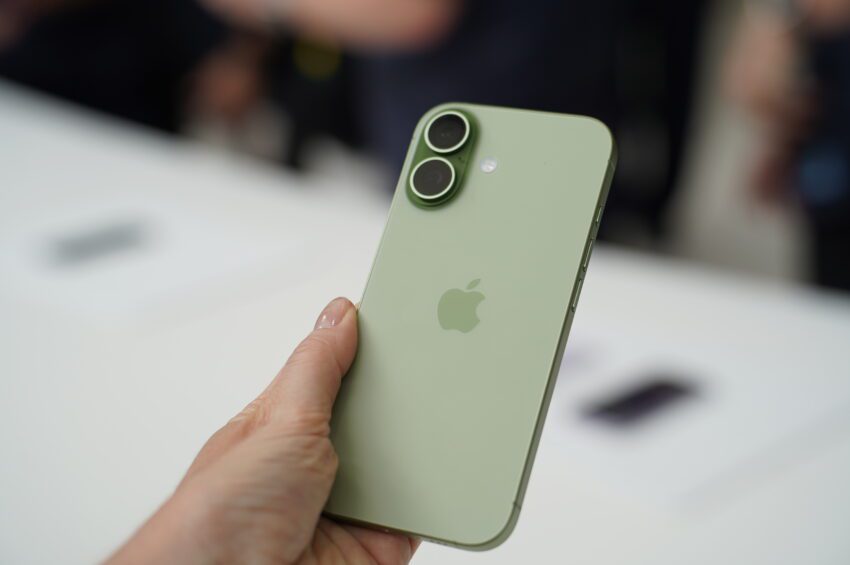
a new rcs update could connect iphone Recent advancements in messaging technology may soon enable seamless video calls between iPhone and Android users, thanks to a new update in the Rich Communication Services (RCS) standard.
a new rcs update could connect iphone
Understanding RCS and Its Evolution
Rich Communication Services (RCS) is a protocol designed to enhance traditional SMS messaging by providing a richer, more interactive experience. It allows for features such as read receipts, typing indicators, and the ability to send high-resolution images and videos. The protocol aims to unify messaging across different platforms, making it a more competitive alternative to popular messaging apps like WhatsApp, Facebook Messenger, and Apple’s iMessage.
The evolution of RCS has been gradual, with various updates and enhancements introduced over the years. The latest development, the RCS Universal Profile 4.0, was announced by the GSM Association (GSMA) and represents a significant leap forward in the capabilities of RCS. This update is particularly noteworthy for its potential to facilitate video calls between users on different operating systems.
The Introduction of Messaging-Initiated Video Calls (MIVC)
One of the standout features of the RCS Universal Profile 4.0 is the introduction of Messaging-Initiated Video Calls (MIVC). This feature allows users to initiate video calls directly from their messaging apps, transforming 1-to-1 or group RCS chats into video calls with ease. According to the GSMA, MIVC will ensure the continuity of conversations by allowing group members to join an ongoing video call even if they could not accept the call when it started. Additionally, MIVC logs will be synchronized within the chat timeline, providing a seamless experience for users.
This functionality is particularly significant as it addresses a long-standing issue in the realm of mobile communications: the fragmentation between different operating systems. Currently, iPhone users primarily rely on FaceTime for video calls, while Android users have a variety of options, including Google Duo and other third-party applications. The inability to connect these platforms has created barriers for users who wish to communicate across devices.
Implications for Users and the Industry
The introduction of MIVC has far-reaching implications for both users and the telecommunications industry. For users, the ability to make video calls across platforms could enhance communication, making it more convenient and accessible. This is particularly relevant in a world where remote communication has become increasingly vital due to factors such as the COVID-19 pandemic and the rise of remote work.
Moreover, the integration of video calling into messaging apps could lead to a more unified user experience. Users would no longer need to switch between different applications to communicate effectively, streamlining their interactions. This could also encourage more users to adopt RCS, as the added functionality makes it a more attractive option compared to traditional SMS or even other messaging apps.
Potential Challenges and Considerations
While the prospects of MIVC are promising, there are several challenges and considerations that need to be addressed. One of the primary concerns is the adoption rate of RCS among carriers and device manufacturers. Although major players like Google and Samsung have embraced RCS, not all carriers have implemented the protocol, and some devices may not support it. This fragmentation could hinder the widespread adoption of MIVC and limit its effectiveness.
Another challenge lies in ensuring a consistent user experience across different platforms. While RCS aims to standardize messaging, variations in implementation could lead to discrepancies in functionality. For instance, if one platform does not fully support MIVC, users may encounter issues when trying to connect with others on different devices. This could result in frustration and confusion, undermining the benefits that RCS seeks to provide.
Stakeholder Reactions
The announcement of the RCS Universal Profile 4.0 and the MIVC feature has garnered a range of reactions from stakeholders in the telecommunications and technology sectors. Industry experts have expressed optimism about the potential for RCS to bridge the gap between iPhone and Android users. Many believe that this development could lead to a more cohesive messaging ecosystem, ultimately benefiting consumers.
Telecommunications companies are also closely monitoring the situation. Some carriers have already begun to implement RCS, while others are evaluating the potential impact of MIVC on their services. The success of this initiative may influence their decisions regarding RCS adoption and investment in infrastructure.
Consumer Perspectives
From a consumer perspective, the response has been largely positive. Users have long expressed frustration over the inability to connect seamlessly with friends and family across different platforms. The prospect of being able to initiate video calls directly from messaging apps is seen as a significant improvement in user experience. Many users are eager to see how this feature will be implemented and whether it will live up to its promise of enhancing communication.
Looking Ahead: The Future of RCS and Video Calling
As the telecommunications landscape continues to evolve, the future of RCS and video calling remains uncertain yet promising. The successful implementation of MIVC will depend on various factors, including carrier support, device compatibility, and user adoption. If these challenges can be addressed, RCS could become a dominant force in the messaging space, offering a unified platform for communication.
Moreover, the introduction of MIVC may pave the way for further innovations in messaging technology. As users increasingly demand more integrated and feature-rich communication tools, companies will need to adapt and innovate to meet these expectations. This could lead to the development of new features and functionalities that enhance the overall user experience.
Conclusion
The announcement of the RCS Universal Profile 4.0 and the introduction of Messaging-Initiated Video Calls marks a significant milestone in the evolution of mobile communication. While challenges remain, the potential for seamless video calls between iPhone and Android users represents a major step forward in bridging the gap between different platforms. As the industry moves forward, stakeholders will need to collaborate to ensure the successful implementation of these features, ultimately benefiting consumers and enhancing the way we communicate.
Source: Original report
Was this helpful?
Explore more: Mobile App Development More Mobile Technology Tech News
Last Modified: March 30, 2026 at 10:40 pm
24 views