zoox issues software recall over lane crossings Zoox has announced a significant software recall aimed at addressing issues related to its autonomous driving system’s lane-crossing behavior.
zoox issues software recall over lane crossings
Background on Zoox and Its Autonomous Driving Technology
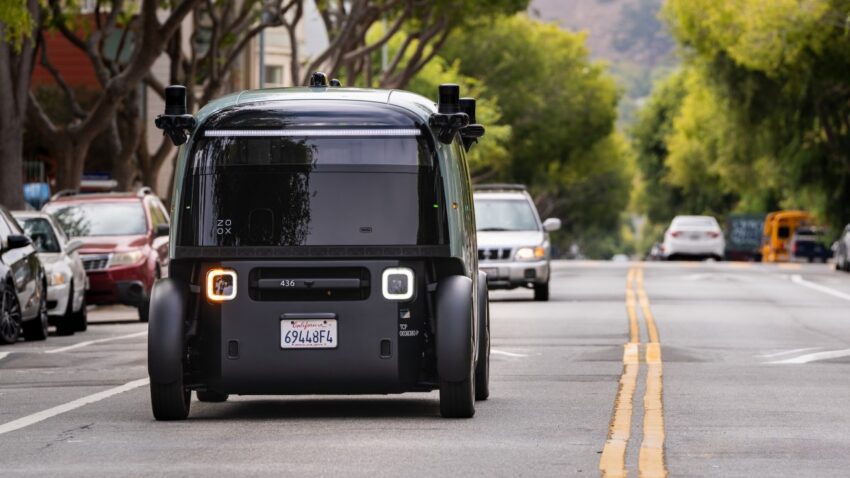
Founded in 2014, Zoox is a subsidiary of Amazon that focuses on developing autonomous vehicles designed for urban environments. The company’s mission is to create a fully autonomous vehicle that can navigate city streets without human intervention. This ambition aligns with broader trends in the automotive industry, where many companies are investing heavily in self-driving technology. Zoox’s approach is unique, as it designs vehicles from the ground up, rather than retrofitting existing models with autonomous capabilities.
The company’s vehicle is characterized by a bidirectional design, allowing it to travel in either direction without the need to turn around. This design is particularly advantageous in urban settings where space is limited. Zoox’s vehicles are equipped with a suite of sensors, cameras, and advanced algorithms that enable them to perceive their environment and make real-time driving decisions.
The Software Recall Announcement
On December 23, 2025, Zoox issued a software update to its autonomous driving system, which is a response to concerns regarding its lane-crossing behavior. This behavior had raised alarms among regulators and safety advocates, prompting the company to take swift action. The software update aims to rectify the issue and ensure that the vehicles operate within safe parameters.
Details of the Lane-Crossing Behavior
The specific lane-crossing behavior that prompted the recall involved instances where the autonomous vehicles would unintentionally cross lane markings. This could potentially lead to dangerous situations, especially in busy urban environments where lane discipline is crucial for safety. The company indicated that the issue was primarily related to the vehicle’s perception algorithms, which misinterpreted lane boundaries under certain conditions.
In its statement, Zoox emphasized that no accidents or injuries had been reported as a result of this software issue. However, the company acknowledged the importance of addressing the problem proactively to maintain public trust and ensure the safety of its autonomous vehicles.
Implications of the Recall
The recall of Zoox’s software carries significant implications for the company and the broader autonomous vehicle industry. As self-driving technology continues to evolve, safety remains a paramount concern. The ability to quickly identify and rectify software issues is essential for maintaining regulatory compliance and public confidence.
Regulatory Scrutiny
Regulatory bodies have been increasingly vigilant regarding the safety of autonomous vehicles. The National Highway Traffic Safety Administration (NHTSA) and other agencies are closely monitoring the development and deployment of self-driving technology. Zoox’s proactive approach in issuing a recall may serve as a model for other companies in the industry, demonstrating the importance of transparency and accountability in addressing safety concerns.
Moreover, the recall could prompt regulators to implement stricter guidelines for software updates and recalls in the autonomous vehicle sector. This could lead to more rigorous testing and validation processes before software is deployed in operational vehicles.
Stakeholder Reactions
The response from stakeholders has been mixed. Safety advocates have praised Zoox for its swift action in addressing the lane-crossing issue, viewing it as a responsible move that prioritizes passenger and pedestrian safety. However, some critics argue that the incident raises questions about the reliability of autonomous driving technology as a whole. They contend that software issues like these could undermine public trust in self-driving vehicles, which are still in the early stages of adoption.
Investors have also reacted to the news, with some expressing concerns about the potential financial implications of the recall. The cost of implementing software updates and addressing safety issues can be substantial, and investors are keenly aware of how such challenges can impact a company’s bottom line. However, others view the recall as a necessary step in the maturation of the technology, suggesting that addressing issues early on will ultimately benefit Zoox in the long run.
Technological Context
The lane-crossing issue highlights the complexities involved in developing autonomous driving systems. These systems rely on a combination of hardware and software to interpret data from sensors and make driving decisions. As such, any flaws in the software can have significant consequences for vehicle behavior.
Perception Algorithms
At the heart of the lane-crossing issue are the perception algorithms that enable the vehicle to understand its surroundings. These algorithms process data from various sensors, including cameras and LIDAR, to identify lane markings, obstacles, and other vehicles. If the algorithms misinterpret this data, it can lead to unintended lane changes or crossings.
Zoox’s software update aims to enhance these algorithms, improving their accuracy and reliability. This may involve refining the machine learning models that underpin the perception system, as well as incorporating additional data sources to provide a more comprehensive understanding of the vehicle’s environment.
Future Developments
Looking ahead, Zoox is likely to continue refining its autonomous driving technology in response to feedback and data gathered from real-world operations. The company has indicated that it is committed to ongoing testing and validation to ensure the safety and reliability of its vehicles.
Furthermore, the recall may prompt Zoox to invest more heavily in research and development, particularly in the areas of machine learning and artificial intelligence. As the autonomous vehicle landscape becomes increasingly competitive, companies that can demonstrate superior safety and reliability will be better positioned to succeed.
Conclusion
Zoox’s decision to issue a software recall over lane-crossing behavior underscores the challenges and responsibilities associated with developing autonomous driving technology. While the company has taken proactive steps to address the issue, the incident serves as a reminder of the complexities involved in ensuring the safety of self-driving vehicles. As the industry continues to evolve, the lessons learned from this recall will likely shape future developments and regulatory frameworks in the autonomous vehicle sector.
Source: Original report
Was this helpful?
Explore more: DevOps Services More Cloud & DevOps Tech News
Last Modified: December 24, 2025 at 4:47 am
11 views