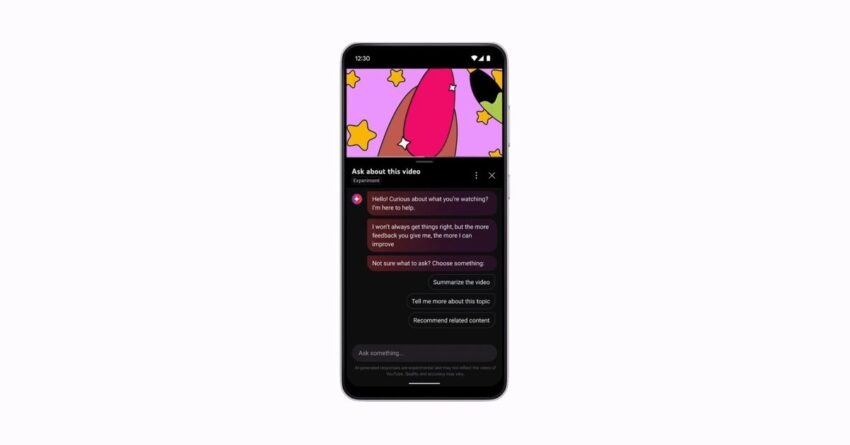
youtube tests conversational ai on tv apps Google has announced that it is currently testing a new “conversational AI” tool on its YouTube TV applications, which aims to enhance user interaction through voice commands.
youtube tests conversational ai on tv apps
Overview of the Conversational AI Tool
The introduction of conversational AI into YouTube TV apps marks a significant step in how users can engage with content on the platform. This tool leverages advanced voice recognition technology to allow users to interact with the app in a more natural and intuitive manner. By using the microphone on their devices, users can issue commands, ask questions, and receive responses, creating a more engaging viewing experience.
Features of the Conversational AI
The conversational AI tool is designed to facilitate various functionalities that enhance the user experience. Some of the anticipated features include:
- Voice Commands: Users can navigate through the app using simple voice commands, making it easier to search for specific shows, movies, or genres without the need for manual input.
- Personalized Recommendations: The AI can analyze viewing habits and preferences to provide tailored content suggestions, helping users discover new shows or movies that align with their interests.
- Interactive Q&A: Users can ask questions about the content they are watching, such as cast information, plot summaries, or trivia, allowing for a more immersive experience.
- Control Features: The AI can assist in controlling playback features, such as pausing, rewinding, or fast-forwarding, simply by using voice commands.
Implications for User Experience
The implementation of conversational AI in YouTube TV apps is poised to significantly alter how users interact with the platform. This shift towards voice-enabled technology reflects broader trends in consumer behavior, where convenience and ease of use are paramount. As users become accustomed to voice-activated devices, the expectation for similar functionalities in streaming applications is increasing.
Enhancing Accessibility
One of the most notable implications of this technology is its potential to enhance accessibility for users with disabilities. Voice commands can provide an alternative means of navigation for individuals who may struggle with traditional remote controls or touch interfaces. By making content more accessible, Google is not only expanding its user base but also promoting inclusivity within its platform.
Impact on Content Discovery
With the vast amount of content available on YouTube, discovering new shows or movies can often be overwhelming. The conversational AI tool aims to streamline this process by offering personalized recommendations based on user preferences. This feature could lead to increased viewer engagement, as users are more likely to explore content that is tailored to their tastes.
Technical Aspects of the AI Tool
The conversational AI tool is built on advanced machine learning algorithms that enable it to understand and process natural language. This technology is not new; however, its integration into television applications represents a significant advancement in user interface design. The AI’s ability to learn from user interactions allows it to improve over time, becoming more adept at understanding context and nuance in user commands.
Voice Recognition Technology
At the core of the conversational AI is sophisticated voice recognition technology. This technology is designed to accurately interpret spoken language, even in noisy environments. By utilizing deep learning techniques, the AI can differentiate between various accents, dialects, and speech patterns, making it more versatile and user-friendly.
Data Privacy Considerations
As with any technology that involves voice recognition, data privacy is a critical concern. Google has stated that user data will be handled with care, adhering to strict privacy policies. Users will have the option to manage their data preferences, including the ability to delete voice recordings and control how their data is used. Transparency in data handling will be essential to maintaining user trust as this technology rolls out.
Stakeholder Reactions
The introduction of conversational AI in YouTube TV apps has elicited varied reactions from stakeholders across the industry. Content creators, advertisers, and users all have a vested interest in how this technology will impact the streaming landscape.
Content Creators
For content creators, the ability to engage with audiences through conversational AI could open new avenues for interaction. Creators may leverage this technology to enhance viewer engagement by providing real-time responses to audience inquiries during live streams or premieres. This could foster a stronger community around their content, leading to increased loyalty and viewership.
Advertisers
Advertisers may also see opportunities arising from the integration of conversational AI. With personalized recommendations, ads can be tailored to individual user preferences, potentially increasing the effectiveness of advertising campaigns. However, this raises questions about the balance between user experience and targeted advertising, as users may become wary of overly intrusive marketing tactics.
User Feedback
User feedback will be crucial in shaping the future of the conversational AI tool. As Google continues its testing phase, gathering insights from early adopters will help refine the technology and address any concerns. Users will likely provide valuable input on the accuracy of voice recognition, the usefulness of recommendations, and overall satisfaction with the new features.
Future Prospects
The testing of conversational AI on YouTube TV apps is just the beginning of what could be a transformative journey for the platform. As technology continues to evolve, the potential for further enhancements is vast. Future iterations of the AI could incorporate more advanced features, such as multi-language support, deeper contextual understanding, and even integration with other smart home devices.
Integration with Smart Home Devices
Looking ahead, the integration of YouTube TV’s conversational AI with smart home devices could create a seamless entertainment experience. Users may be able to control not only their viewing experience but also other aspects of their home environment through voice commands. This interconnectedness could lead to a more cohesive and user-friendly ecosystem.
Competitive Landscape
The introduction of conversational AI also places YouTube in direct competition with other streaming services that are exploring similar technologies. As platforms like Netflix and Hulu seek to enhance user engagement, the race to implement effective voice recognition features will intensify. This competitive landscape will likely drive innovation and improvements across the board, benefiting consumers.
Conclusion
The testing of conversational AI on YouTube TV apps represents a significant advancement in how users interact with streaming content. By leveraging voice technology, Google aims to create a more intuitive and engaging experience for viewers. As the testing phase progresses, the implications for accessibility, content discovery, and user engagement will become clearer. Stakeholder reactions will further shape the development of this technology, ensuring that it meets the needs and preferences of a diverse audience. The future of YouTube TV, enriched by conversational AI, holds promise for a more interactive and personalized viewing experience.
Source: Original report
Was this helpful?
Explore more: AI Automation Services More AI & Automation Tech News
Last Modified: February 19, 2026 at 9:38 pm
14 views