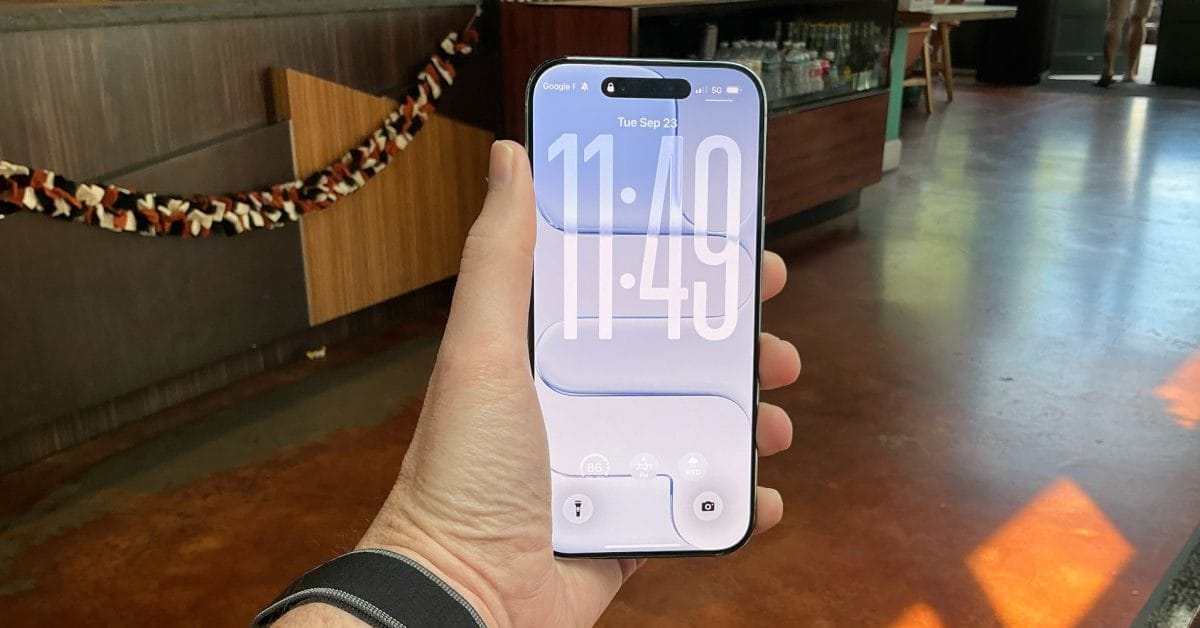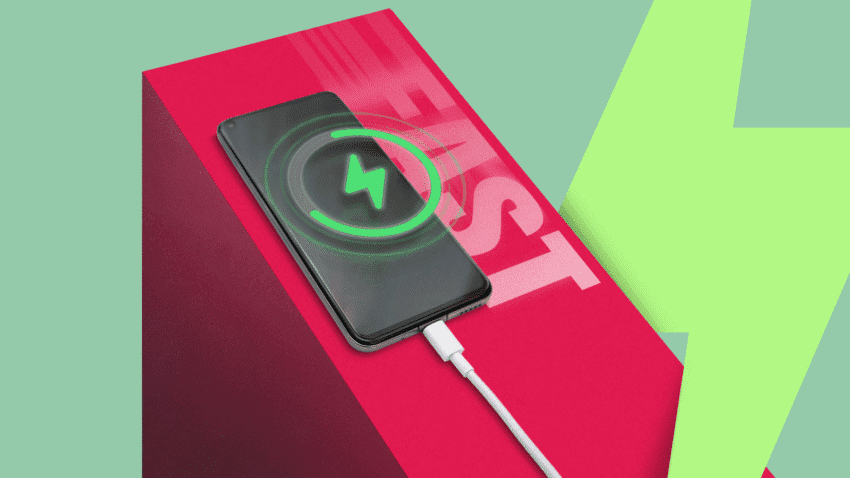
Recent advancements in fast charging technology promise to significantly enhance the battery performance of future smartphones.
The Evolution of Fast Charging Technology
Fast charging has undergone remarkable evolution over the past decade. In the early days of mobile phones, charging a device could take several hours or even overnight. As technology progressed, manufacturers began to introduce faster charging solutions, allowing users to recharge their devices in a fraction of the time. Today, many smartphones can achieve a substantial battery refill in just about an hour, a feat that has transformed user experience and expectations.
From Overnight Charging to Quick Refills
The transition from slow charging to fast charging reflects broader technological advancements. Initially, mobile phones relied on standard charging methods, which typically provided around 5 watts of power. This meant that users often had to plug in their devices overnight to ensure they had enough battery for the next day. As smartphones became more integral to daily life, the demand for quicker charging solutions surged.
Manufacturers responded by developing technologies that could deliver higher wattage. The introduction of Qualcomm’s Quick Charge technology in 2013 marked a significant milestone. This innovation allowed compatible devices to charge at rates of up to 18 watts, drastically reducing charging times. Following this, other companies, such as Huawei and Oppo, introduced their proprietary fast charging technologies, pushing the boundaries even further.
Current Fast Charging Standards
Today, fast charging standards have reached impressive levels. Many flagship smartphones now support charging speeds of 65 watts or more, with some models even boasting capabilities of up to 100 watts. This means that users can achieve a full charge in as little as 30 minutes. Such advancements not only enhance convenience but also cater to the increasing power demands of modern smartphones, which often feature larger screens, more powerful processors, and advanced connectivity options.
The Implications of 100W Charging Technology
The potential introduction of 100W charging technology represents a significant leap forward in mobile charging capabilities. This advancement could have far-reaching implications for both consumers and manufacturers.
Enhanced User Experience
For consumers, the ability to charge a smartphone in mere minutes could redefine how they interact with their devices. Imagine being able to charge your phone to 50% in just 10 minutes while you grab a coffee or during a brief break at work. This convenience could alleviate the anxiety associated with low battery levels, particularly for users who rely heavily on their devices throughout the day.
Moreover, the rapid charging capabilities could encourage users to utilize their smartphones more frequently without the fear of running out of battery. This could lead to increased engagement with mobile applications, social media, and other digital services, ultimately benefiting app developers and service providers.
Impact on Battery Design and Lifespan
As charging speeds increase, manufacturers will need to consider the implications for battery design and lifespan. Lithium-ion batteries, which are the standard in most smartphones, have a finite number of charge cycles. Rapid charging can generate heat, which may accelerate battery degradation over time. Therefore, manufacturers will need to innovate not only in charging technology but also in battery materials and designs to ensure longevity and safety.
Some companies are already exploring alternative battery technologies, such as solid-state batteries, which promise higher energy densities and improved safety profiles. These advancements could complement fast charging technologies, allowing for both rapid recharging and extended battery life.
Stakeholder Reactions and Industry Trends
The prospect of 100W charging technology has garnered attention from various stakeholders in the tech industry, including manufacturers, consumers, and regulatory bodies.
Manufacturers’ Perspectives
Leading smartphone manufacturers are keenly aware of the competitive advantage that fast charging technology can provide. Companies like Xiaomi, OnePlus, and Vivo have already made headlines with their high-wattage charging solutions. As the race for faster charging intensifies, manufacturers are likely to invest heavily in research and development to stay ahead of the curve.
Additionally, partnerships with charging accessory manufacturers will become increasingly important. The development of universal chargers capable of supporting multiple fast charging standards could simplify the user experience and reduce electronic waste. This aligns with broader sustainability goals within the tech industry.
Consumer Expectations
Consumers are becoming more discerning about their charging needs. As fast charging technology becomes more prevalent, users are likely to expect it as a standard feature in all smartphones, not just high-end models. This shift in consumer expectations could pressure manufacturers to prioritize fast charging capabilities in their product offerings.
Moreover, as awareness of fast charging technology grows, consumers may become more educated about the implications of charging speeds on battery health. This could lead to increased demand for transparency from manufacturers regarding battery longevity and safety measures associated with rapid charging.
Regulatory Considerations
As fast charging technology evolves, regulatory bodies may also play a role in shaping industry standards. Ensuring safety and compatibility across different devices will be crucial as charging speeds increase. Regulatory frameworks may need to adapt to address potential risks associated with high-wattage charging, such as overheating or battery malfunctions.
Challenges Ahead
Despite the promising advancements in fast charging technology, several challenges remain. Addressing these challenges will be essential for ensuring the safe and effective implementation of 100W charging solutions.
Heat Management
One of the primary concerns with rapid charging is heat generation. High charging speeds can lead to increased temperatures, which may pose risks to battery health and device safety. Manufacturers will need to develop effective heat management systems to mitigate these risks. This could involve improved thermal materials, advanced cooling systems, or software algorithms that regulate charging speeds based on temperature.
Compatibility Issues
As multiple fast charging standards emerge, compatibility between devices and chargers could become a significant issue. Users may find themselves with a collection of chargers that do not work with all their devices, leading to frustration and inconvenience. The industry may need to move towards universal charging solutions that can accommodate various fast charging protocols.
Consumer Education
As fast charging technology becomes more complex, consumer education will be vital. Users need to understand the implications of rapid charging on battery health and safety. Manufacturers and retailers should provide clear information about the benefits and risks associated with high-wattage charging, empowering consumers to make informed decisions.
The Future of Charging Technology
The future of charging technology looks promising, with 100W charging on the horizon. As manufacturers continue to innovate and refine their approaches, consumers can expect a more convenient and efficient charging experience. The implications of these advancements extend beyond individual devices, potentially reshaping the entire smartphone ecosystem.
In conclusion, the evolution of fast charging technology has already transformed how we use our smartphones, and the potential introduction of 100W charging could further enhance this experience. As stakeholders across the industry respond to these advancements, the focus will need to remain on safety, compatibility, and consumer education to ensure a seamless transition into this new era of mobile charging.
your next phone could get a massive Source: Original report
your next phone could get a massive
Was this helpful?
Last Modified: October 2, 2025 at 12:33 pm
7 views