
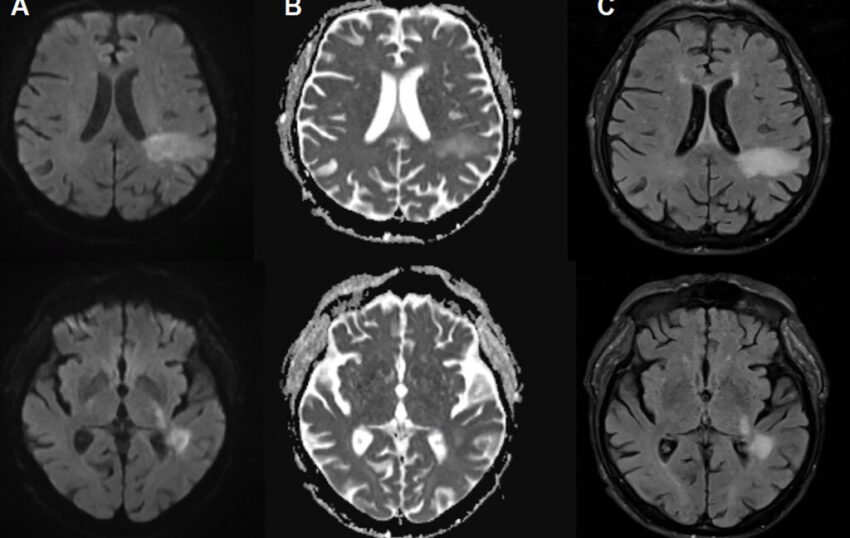
you re likely already infected with a A newly reported virus, known as the JC virus, may be lurking in the cells of up to 90 percent of the population, posing a significant risk of brain damage if activated.
you re likely already infected with a
Understanding the JC Virus
The human polyomavirus 2, more commonly referred to as the JC virus or John Cunningham virus, was first identified in 1971 from a patient named John Cunningham. This virus is notable for its potential to remain dormant in the body for a lifetime, only to activate under certain conditions, leading to severe neurological consequences. Researchers have recently unveiled that this virus could be activated in up to 10 percent of adults worldwide, raising alarm about its hidden dangers.
Transmission and Prevalence
The JC virus is primarily transmitted through the fecal-oral route, which means it can spread through contaminated food or water. It is commonly found in the urine and stool of infected individuals. Studies suggest that many people are infected during childhood, often without any noticeable symptoms. Blood testing surveys indicate that between 50 to 90 percent of adults have been exposed to the virus at some point in their lives, making it a prevalent yet largely unrecognized health concern.
Initial Infection and Asymptomatic Nature
Upon initial infection, the JC virus is thought to target the tonsils or the gastrointestinal tract. This initial phase is typically asymptomatic, meaning that individuals may not even be aware that they are infected. At this stage, the virus exists as what is known as the archetype JC virus, establishing a persistent and silent infection that can last a lifetime. This silent nature of the virus is particularly concerning, as it allows for widespread transmission without any immediate health implications.
Potential Activation of the Virus
While the JC virus remains dormant in most individuals, certain conditions can trigger its activation. Researchers have identified several factors that may contribute to this process, including immunosuppression, which can occur due to various medical treatments or conditions. When the immune system is compromised, the virus can reactivate, leading to severe neurological conditions such as progressive multifocal leukoencephalopathy (PML).
Progressive Multifocal Leukoencephalopathy (PML)
PML is a rare but serious brain infection caused by the reactivation of the JC virus. It primarily affects individuals with weakened immune systems, such as those with HIV/AIDS, cancer patients undergoing chemotherapy, or individuals taking immunosuppressive drugs. The symptoms of PML can include cognitive decline, motor dysfunction, and visual disturbances, ultimately leading to severe disability or even death.
Recent Findings on Activation Triggers
Recent research has suggested that additional factors may contribute to the activation of the JC virus. For instance, studies have indicated that certain viral infections or environmental triggers could play a role in reactivating the virus. The implications of these findings are significant, as they suggest that a broader range of individuals may be at risk for developing PML than previously understood.
Implications for Public Health
The widespread prevalence of the JC virus and its potential to cause severe neurological damage raises important questions for public health officials. Understanding the factors that contribute to the activation of the virus is crucial for developing effective prevention and treatment strategies. As researchers continue to investigate the virus, it is essential to raise awareness about its existence and potential risks.
Awareness and Education
Public awareness campaigns may be necessary to inform individuals about the JC virus and its potential consequences. Educating healthcare providers about the virus can also help ensure that those at risk are monitored more closely. This is particularly important for individuals undergoing immunosuppressive treatments, as they may be more susceptible to the virus’s activation.
Future Research Directions
Ongoing research is critical to further understanding the JC virus and its implications for human health. Scientists are exploring various avenues, including:
- Identifying specific triggers that lead to virus activation.
- Developing diagnostic tools to detect the virus in asymptomatic individuals.
- Investigating potential therapeutic interventions to prevent or mitigate the effects of PML.
Such research could pave the way for improved management of the JC virus and its associated risks, ultimately enhancing patient outcomes.
Stakeholder Reactions
The medical community has expressed a mix of concern and urgency regarding the findings related to the JC virus. Neurologists, infectious disease specialists, and public health officials are particularly interested in understanding the implications of the virus’s activation. Many experts emphasize the need for increased surveillance and research to better grasp the virus’s impact on public health.
Patient Advocacy Groups
Patient advocacy groups have also taken note of the recent findings. Organizations focused on neurological disorders are advocating for more research funding to explore the JC virus and its potential effects on vulnerable populations. They stress the importance of awareness and education, particularly for patients undergoing treatments that may compromise their immune systems.
Conclusion
The JC virus represents a significant public health concern, with its potential to infect a large portion of the population and cause severe neurological damage upon activation. As researchers continue to uncover the complexities surrounding this virus, it is essential for healthcare providers, public health officials, and the general public to remain informed. Understanding the virus’s transmission, potential activation triggers, and associated risks will be crucial in mitigating its impact on human health.
In summary, the JC virus is a silent threat that warrants attention and action. Increased awareness, research, and education will be vital in addressing the challenges posed by this virus and protecting those at risk of developing serious health complications.
Source: Original report
Was this helpful?
Explore more: More General Technology Tech News Blog
Last Modified: March 21, 2026 at 11:36 am
14 views














