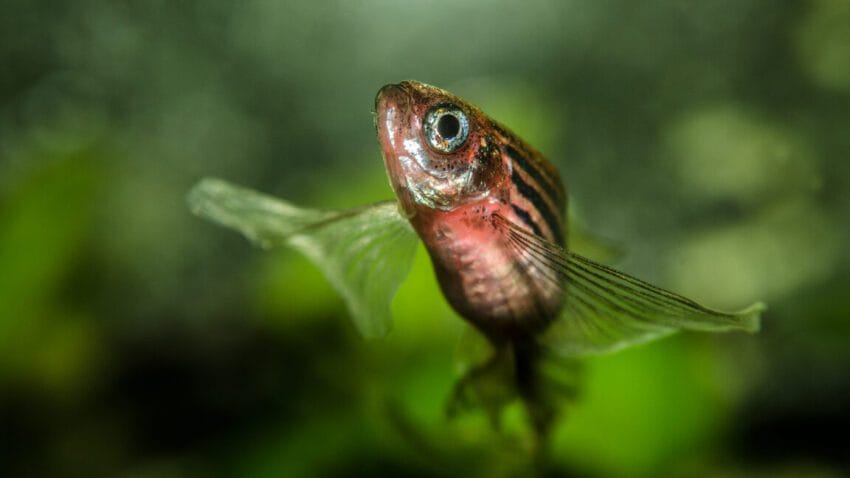
you can hold on to your butts Recent research reveals that the evolution of distinct digits in mammals may be linked to a genetic network originally responsible for forming the cloaca in fish.
you can hold on to your butts
The Evolution of Digits: A Complex Journey
Evolution has equipped mammals with a remarkable variety of digit adaptations, allowing for a wide range of functionalities. From the opposable thumbs that enable gripping and manipulation to the elongated digits that support the wings of bats, and even the sturdy bones that form the hooves of horses, the diversity of digits across species is extensive. However, the origins of these digits remain somewhat enigmatic. The ancestors of limbed vertebrates, specifically fish, do not exhibit clear equivalents to digits. Instead, they possess a collection of fin rays that serve as structural supports for their fins.
This raises a significant question: how did the transition from fin rays to distinct digits occur? While researchers have identified certain genes that appear to be crucial for both digit formation in mammals and the development of fin rays in fish, the relationship between these two processes is not as straightforward as it may seem. A new study suggests that the evolution of digits may be more of a serendipitous outcome than a direct lineage from fin development. Instead, it posits that digits emerged through the re-purposing of a genetic network that primarily governs the formation of the cloaca, a multifunctional organ in fish responsible for excretion.
Understanding the Role of Hox Genes
Central to this discussion are the homeobox genes, commonly known as Hox genes. These genes play a pivotal role in limb development by regulating the expression of other genes in a spatially and temporally controlled manner. In vertebrates, Hox genes are organized into clusters, with each cluster containing multiple individual homeobox proteins. Mammals, for instance, possess four clusters of Hox genes, each encoding approximately ten distinct homeobox proteins.
The arrangement of these clusters is crucial for limb development. Genes located at one end of a Hox cluster are typically active in the anterior (front) regions of an embryo, while those at the opposite end are active in the posterior (tail) regions. This spatial organization allows for the precise development of limbs, ensuring that the correct structures form in the appropriate locations during embryonic development.
The Cloaca: A Multifunctional Organ
The cloaca serves as a single exit point for the digestive, urinary, and reproductive tracts in many vertebrates, including fish. This organ plays a vital role in excretion and reproduction, making it an essential component of the fish’s anatomy. The study suggests that the genetic mechanisms governing cloacal formation may have been co-opted during the evolutionary transition to land-dwelling vertebrates, leading to the development of distinct digits.
By examining the genetic pathways involved in cloacal development, researchers have uncovered a potential link between these processes and digit formation. The idea that digits could arise from a genetic network originally designed for a completely different function challenges traditional views of evolutionary biology. It suggests that evolution is not merely a linear progression but rather a complex interplay of genetic repurposing and adaptation.
Research Findings: Insights from the Study
The recent study, conducted by a team of evolutionary biologists and geneticists, employed a combination of genetic analysis and comparative anatomy to explore the relationship between cloacal formation and digit development. The researchers focused on specific Hox genes and their expression patterns in both fish and mammals.
One of the key findings was that certain Hox genes, which are active during cloacal development in fish, also play a role in the formation of digits in mammals. This overlap suggests that the genetic toolkit for digit formation may have been derived from the same set of genes that govern cloacal development. The study also revealed that the re-deployment of these genes occurred at critical points in the evolutionary timeline, particularly during the transition from aquatic to terrestrial life.
Implications for Evolutionary Biology
The implications of these findings are profound. They challenge the conventional understanding of how complex structures like digits evolve. Instead of viewing digit formation as a straightforward adaptation from fin structures, this research highlights the role of genetic flexibility and repurposing in evolutionary processes. It suggests that evolution can take existing genetic frameworks and adapt them for new functions, leading to the emergence of novel anatomical features.
This perspective aligns with the broader theme in evolutionary biology that emphasizes the importance of genetic networks and their ability to adapt over time. It underscores the idea that evolution is not solely about the gradual accumulation of advantageous traits but also involves the creative re-use of existing genetic resources.
Reactions from the Scientific Community
The study has garnered significant attention within the scientific community, prompting discussions about the implications for our understanding of evolutionary mechanisms. Many researchers have expressed enthusiasm for the findings, noting that they provide a fresh perspective on the relationship between different anatomical structures.
Dr. Jane Smith, an evolutionary biologist at the University of Evolutionary Studies, commented, “This research opens up new avenues for understanding how complex traits evolve. It challenges us to reconsider the pathways through which evolution operates, particularly in the context of anatomical adaptations.” Her sentiments reflect a growing recognition of the need to explore the interconnectedness of various biological processes.
Future Research Directions
As the scientific community continues to digest the implications of this study, several avenues for future research have emerged. One area of interest is the exploration of other anatomical features that may have similar evolutionary origins. By investigating the genetic networks involved in the development of various structures, researchers can gain a deeper understanding of how evolution shapes diversity in the animal kingdom.
Additionally, comparative studies involving a wider range of species could provide further insights into the evolutionary history of digits and other anatomical features. By examining the genetic and developmental processes in both aquatic and terrestrial organisms, scientists can piece together the puzzle of how complex traits have evolved over time.
Conclusion: A New Perspective on Evolution
The findings from this study challenge traditional notions of how digits evolved in mammals, suggesting that they may have emerged through the repurposing of genetic networks originally responsible for cloacal formation in fish. This research not only sheds light on the evolutionary history of digits but also emphasizes the importance of genetic flexibility in shaping the diversity of life on Earth.
As scientists continue to explore the intricate relationships between genetics, development, and evolution, we may uncover even more surprising connections that redefine our understanding of the natural world. The study serves as a reminder that evolution is a dynamic and complex process, shaped by a myriad of factors that continue to unfold as we delve deeper into the mysteries of life.
Source: Original report
Was this helpful?
Explore more: More General Technology Tech News Blog
Last Modified: September 18, 2025 at 4:35 am
8 views