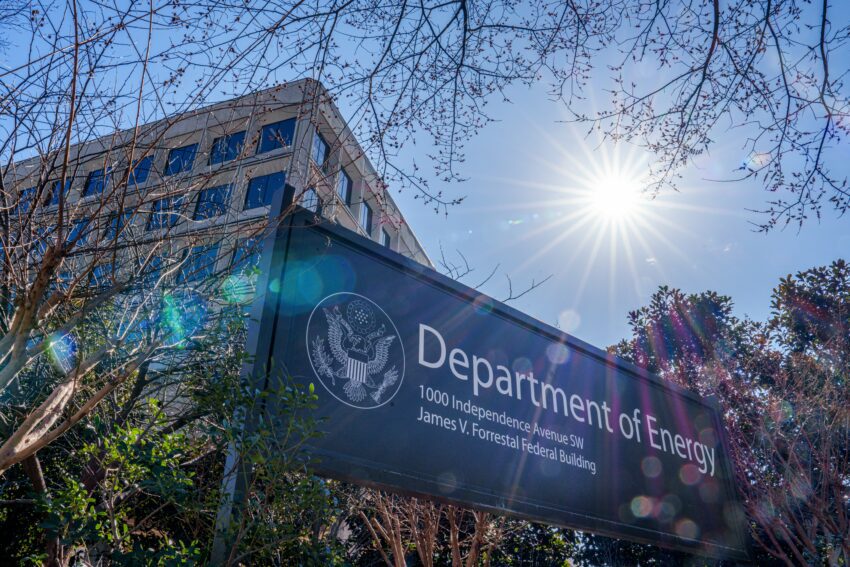
white house deletes thousands of web pages The U.S. Department of Energy has reportedly deleted approximately 6,000 web pages dedicated to energy conservation amid an unprecedented heatwave affecting much of the country.
white house deletes thousands of web pages
Context of the Deletions
The deletion of these web pages comes at a time when the nation is grappling with extreme weather conditions, including record-high temperatures that have strained energy resources. The heatwave has prompted officials to urge citizens to conserve energy, particularly in states where power grids are under significant pressure. The timing of the deletions has raised eyebrows, especially given the political climate surrounding energy conservation efforts.
Political Reactions
The decision to remove these pages has drawn sharp criticism from various political figures, particularly within the Republican Party. The controversy was ignited by New York City Mayor Zohran Mamdani’s recent call for residents to set their air conditioning units to 78 degrees Fahrenheit to alleviate the strain on the electrical grid. This request was met with backlash from prominent Republicans, who framed it as an overreach of government authority.
- Ted Cruz: The Texas Senator, known for his outspoken views, criticized the mayor’s request, suggesting it was an example of government overreach that infringed upon personal freedoms.
- Nikki Haley: The former U.N. Ambassador and South Carolina Governor echoed similar sentiments, labeling the request as a form of socialism.
- Nancy Mace: The South Carolina Representative went further, claiming that such measures were an “act of war on women in menopause,” tapping into broader concerns about women’s health and autonomy.
This backlash highlights the ongoing partisan divide over energy policy in the United States. While many Democrats advocate for energy conservation as a means to combat climate change and ensure grid reliability, Republicans often view such measures as government overreach that threatens personal liberties.
Implications of the Deletions
The removal of these web pages raises several questions about the federal government’s commitment to energy conservation and public education on the subject. Critics argue that the deletions could undermine efforts to promote energy-saving practices at a time when they are most needed. The deleted content likely included valuable resources on energy efficiency, tips for reducing energy consumption, and information on government programs aimed at helping citizens lower their energy bills.
Impact on Public Awareness
By eliminating these pages, the Department of Energy may inadvertently diminish public awareness of energy conservation strategies. In a time when many households are facing rising energy costs, access to information on how to save energy could be crucial. The deleted pages could have served as a resource for individuals looking to make informed decisions about their energy use, especially during extreme weather events.
Broader Energy Policy Concerns
The deletions also raise broader concerns about the direction of U.S. energy policy. As climate change continues to pose significant challenges, the need for effective energy conservation measures becomes increasingly urgent. Critics of the deletions argue that the government should be taking proactive steps to educate the public about energy efficiency rather than removing resources that could aid in this effort.
Stakeholder Reactions
The reactions from various stakeholders have been mixed. Environmental advocates have expressed dismay at the deletions, arguing that they reflect a troubling trend of diminishing support for energy conservation initiatives. Many believe that the government should be amplifying its efforts to promote sustainable practices, particularly in light of the ongoing climate crisis.
Environmental Advocates
Environmental groups have been vocal in their criticism of the deletions. They argue that the government has a responsibility to provide citizens with the tools and knowledge necessary to reduce their energy consumption. The removal of these web pages is seen as a step backward in the fight against climate change, as it may discourage individuals from adopting energy-efficient practices.
Energy Industry Perspectives
On the other hand, some voices within the energy industry have expressed support for the deletions. They argue that the focus should be on modernizing the energy grid and investing in new technologies rather than promoting outdated conservation measures. This perspective emphasizes the need for innovation and adaptation in the face of changing energy demands.
Historical Context of Energy Conservation Efforts
The current situation is not the first time energy conservation has become a contentious issue in U.S. politics. Historically, energy conservation efforts have often been met with resistance, particularly during periods of economic uncertainty. The 1970s oil crisis, for example, led to a surge in interest in energy efficiency, but subsequent decades saw fluctuating levels of commitment to conservation initiatives.
In recent years, the conversation around energy conservation has evolved, with a growing emphasis on sustainability and climate change. However, political polarization has complicated efforts to implement comprehensive energy policies. The recent deletions serve as a reminder of the ongoing challenges in achieving consensus on energy issues.
Future Considerations
As the nation continues to face extreme weather events and rising energy costs, the need for effective energy conservation measures will only become more pressing. The deletions of these web pages may signal a shift in the government’s approach to energy policy, but it remains to be seen how this will impact public awareness and engagement in energy conservation efforts.
Potential for Reinstatement
There is a possibility that the deleted pages could be reinstated or replaced with updated content that aligns more closely with the current political climate. Stakeholders advocating for energy conservation will likely continue to push for the restoration of these resources, emphasizing the importance of public education in promoting sustainable practices.
Long-Term Implications
The long-term implications of these deletions could extend beyond immediate public awareness. If the government continues to remove resources related to energy conservation, it may hinder the development of a culture of sustainability. As citizens become less informed about energy-saving practices, the potential for collective action on climate change may diminish.
Conclusion
The deletion of approximately 6,000 web pages related to energy conservation by the U.S. Department of Energy amidst a historic heatwave has sparked significant political controversy and raised important questions about the future of energy policy in the United States. As the nation grapples with extreme weather and rising energy costs, the need for effective energy conservation measures has never been more critical. The reactions from various stakeholders underscore the complexity of the issue, highlighting the ongoing partisan divide over energy policy. Moving forward, it will be essential for the government to prioritize public education on energy efficiency and sustainability, ensuring that citizens have access to the information they need to make informed decisions about their energy use.
Source: Original report
Was this helpful?
Explore more: More General Technology Tech News Blog
Last Modified: July 4, 2026 at 11:36 pm
37 views