welcome to the wellness surveillance state A recent development in health technology has raised questions about the implications of personal data collection in the wellness industry.
welcome to the wellness surveillance state
Introduction to the Wellness Surveillance State
The concept of a “wellness surveillance state” is becoming increasingly relevant as technology advances and more individuals turn to health gadgets for insights into their well-being. These devices, ranging from smartwatches to at-home urinalysis kits, promise to enhance our understanding of personal health but also bring forth concerns regarding privacy and data security. The recent introduction of products like the Withings U-Scan exemplifies this trend, as they offer unprecedented access to personal health metrics but at a potential cost to individual privacy.
The Rise of Health Gadgets
In recent years, the market for health and wellness gadgets has exploded. Consumers are now equipped with devices that track everything from heart rate and sleep patterns to hydration levels and even urinalysis. This surge in health technology is driven by several factors:
- Increased Health Awareness: More people are becoming proactive about their health, seeking ways to monitor and improve their well-being.
- Technological Advancements: Innovations in sensor technology and data analytics have made it easier and more affordable to create sophisticated health-monitoring devices.
- Consumer Demand: The desire for personalized health insights has led to a growing market for gadgets that provide real-time data.
However, while these devices can empower users to take control of their health, they also raise significant questions about data privacy and the implications of constant monitoring.
The Withings U-Scan: A Case Study
One of the latest entrants into the wellness gadget market is the Withings U-Scan, a $380 device designed for at-home urinalysis. This gadget allows users to analyze their urine for various health metrics, including hydration levels and nutritional deficiencies. The U-Scan features a removable cartridge that can be replaced after each use, making it a convenient option for those looking to monitor their health from the comfort of their homes.
How It Works
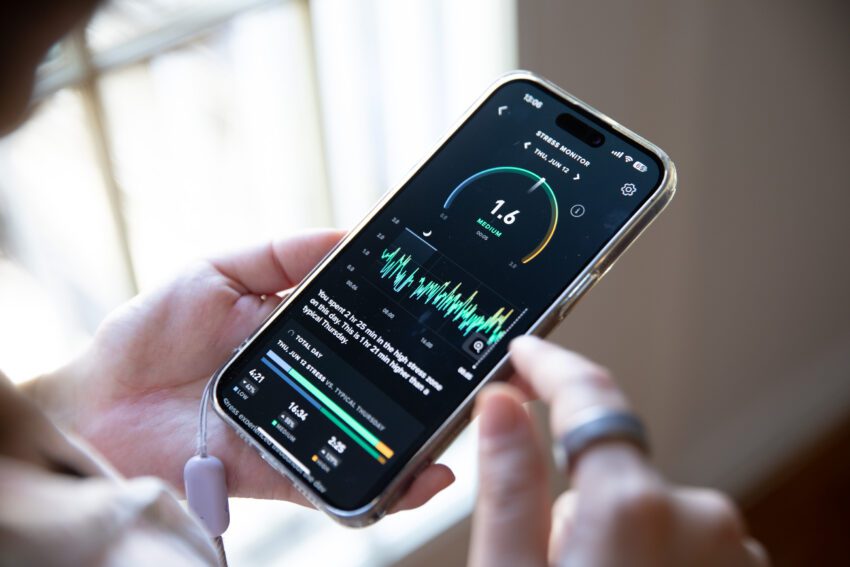
The U-Scan operates by analyzing urine samples and providing users with insights into their health. The device connects to a smartphone app, where users can view their data and receive personalized recommendations. The convenience of this technology is appealing, especially for individuals who may not have the time or inclination to visit a healthcare provider for routine tests.
Potential Benefits
The potential benefits of the U-Scan and similar devices are numerous:
- Accessibility: Users can conduct tests in the privacy of their own homes, making health monitoring more accessible.
- Real-Time Data: Immediate feedback allows users to make informed decisions about their health.
- Preventative Care: Early detection of health issues can lead to timely interventions, potentially preventing more serious conditions.
Privacy Concerns
Despite the advantages, the rise of health gadgets like the U-Scan raises serious privacy concerns. The collection of sensitive health data poses risks that users may not fully understand. Key issues include:
Data Security
Health data is among the most sensitive types of personal information. If compromised, it can lead to identity theft, discrimination, or other negative consequences. Users must trust that companies will protect their data and use it responsibly. However, past incidents of data breaches in the tech industry have left many consumers wary.
Surveillance and Autonomy
The term “wellness surveillance state” suggests a shift towards a society where individuals are constantly monitored for health metrics. This raises ethical questions about autonomy and consent. Are users fully aware of how their data is being used? Are they comfortable with the idea of being monitored, even if it is for their own benefit?
Commercial Use of Data
Many health tech companies collect user data to improve their products and services. However, this data can also be sold to third parties, including advertisers and insurers. Users may unknowingly consent to having their health data shared, which could lead to targeted marketing or even higher insurance premiums based on health metrics.
Stakeholder Reactions
The introduction of devices like the Withings U-Scan has elicited a range of reactions from various stakeholders, including consumers, health professionals, and privacy advocates.
Consumer Perspectives
Many consumers are enthusiastic about the potential of health gadgets to enhance their understanding of personal health. The convenience and accessibility of at-home testing are appealing, particularly for those who may not have regular access to healthcare services. However, there is also a growing awareness of the need for transparency regarding data collection and usage.
Health Professionals
Healthcare providers have mixed feelings about the proliferation of health gadgets. Some see the potential for these devices to empower patients and encourage proactive health management. Others express concern that consumers may misinterpret data or rely too heavily on gadgets instead of seeking professional medical advice. The challenge lies in finding a balance between technology and traditional healthcare practices.
Privacy Advocates
Privacy advocates are particularly concerned about the implications of health surveillance. They argue that individuals should have greater control over their data and that companies must prioritize transparency and security. The potential for misuse of health data is a significant concern, and advocates are calling for stricter regulations to protect consumer privacy.
The Future of Health Technology
As the wellness surveillance state continues to evolve, several trends are likely to shape the future of health technology:
- Increased Regulation: Governments may implement stricter regulations to protect consumer data and ensure transparency in how health information is collected and used.
- Consumer Education: As awareness of privacy issues grows, consumers may demand more information about how their data is handled, leading to greater accountability from tech companies.
- Integration with Traditional Healthcare: The future may see a more integrated approach, where health gadgets complement traditional healthcare rather than replace it.
Conclusion
The rise of health gadgets like the Withings U-Scan highlights the dual-edged nature of technological advancements in personal health monitoring. While these devices offer significant benefits, they also raise critical questions about privacy, data security, and the implications of constant surveillance. As consumers navigate this new landscape, it is essential to remain informed and advocate for transparency and ethical practices in the health technology industry.
Source: Original report
Was this helpful?
Explore more: More Consumer Technology Tech News Blog
Last Modified: December 5, 2025 at 8:40 pm
29 views