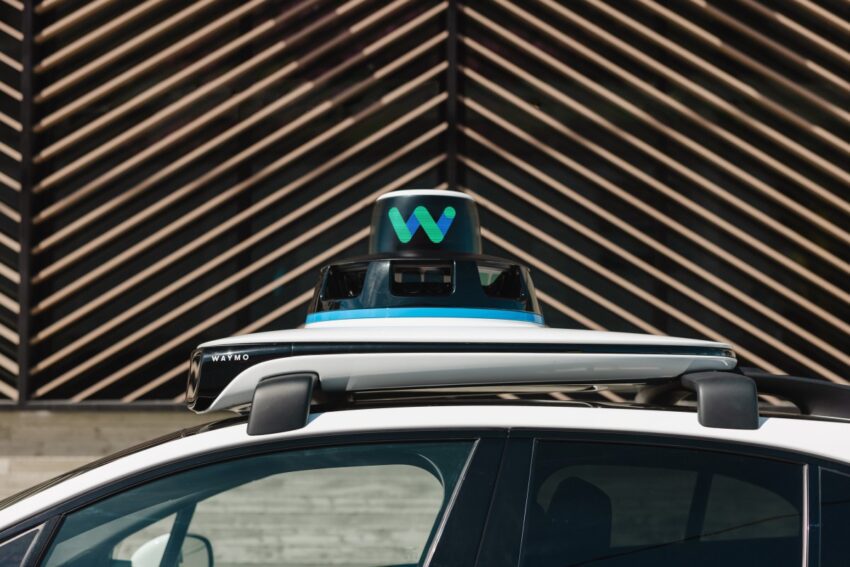
waymo is testing gemini as an in-car Waymo is currently evaluating a Gemini-powered in-car AI assistant designed to enhance the user experience in its fleet of robotaxis.
waymo is testing gemini as an in-car
Overview of Waymo’s Initiative
Waymo, a subsidiary of Alphabet Inc., has been at the forefront of autonomous vehicle technology. With its extensive experience in self-driving technology, the company is now venturing into the realm of artificial intelligence to improve passenger interactions within its robotaxis. The introduction of a Gemini-powered AI assistant marks a significant step in this direction, aiming to create a more seamless and engaging travel experience.
What is Gemini?
Gemini is an advanced AI model developed by Google, designed to handle a wide range of tasks, including natural language processing and contextual understanding. Its capabilities extend beyond basic question-answering to include more complex interactions, making it an ideal candidate for integration into in-car systems. The AI can process and respond to user queries, control in-cabin features, and provide personalized assistance, thereby enhancing the overall passenger experience.
Key Features of the Gemini AI Assistant
The Gemini-powered assistant is equipped with several features that aim to improve the functionality and user experience within Waymo’s robotaxis:
- General Knowledge Queries: The assistant can answer a variety of questions, ranging from trivia to more complex inquiries, providing passengers with information on demand.
- In-Cabin Controls: Passengers can use the assistant to control various features within the vehicle, such as adjusting the climate settings, changing music, or managing navigation preferences.
- Personalized Interactions: The AI can learn from user interactions, allowing it to tailor responses and suggestions based on individual preferences and past behaviors.
- Safety Features: The assistant can also provide safety information and alerts, ensuring that passengers are informed about their journey and any potential hazards.
Testing and Development
Waymo’s testing of the Gemini AI assistant is part of a broader initiative to enhance the user experience in autonomous vehicles. The company has been conducting trials to assess the assistant’s performance in real-world scenarios. These tests involve a 1,200-line system prompt that helps evaluate the AI’s capabilities and responsiveness.
Real-World Applications
The real-world application of the Gemini AI assistant is critical for Waymo as it seeks to refine its technology. By gathering data from user interactions, the company can identify areas for improvement and make necessary adjustments to the AI’s functionality. This iterative process is essential for ensuring that the assistant meets the needs of passengers and operates effectively in various environments.
Implications for the Future of Autonomous Vehicles
The integration of AI assistants like Gemini into autonomous vehicles could have far-reaching implications for the transportation industry. As companies like Waymo continue to innovate, the following potential outcomes may emerge:
- Enhanced User Experience: By providing personalized assistance and seamless control over in-cabin features, AI assistants can significantly improve the overall passenger experience, making autonomous travel more appealing.
- Increased Adoption of Autonomous Vehicles: As user experiences improve, more individuals may be inclined to use robotaxis, leading to greater acceptance and adoption of autonomous vehicle technology.
- Data-Driven Insights: The data collected from user interactions with AI assistants can provide valuable insights into passenger preferences and behaviors, informing future developments in both vehicle design and AI capabilities.
- Safety Enhancements: AI assistants can play a crucial role in enhancing safety by providing real-time information and alerts, helping to mitigate risks associated with autonomous travel.
Stakeholder Reactions
The introduction of the Gemini AI assistant has garnered attention from various stakeholders in the technology and transportation sectors. Industry experts and analysts have expressed optimism about the potential benefits of integrating AI into autonomous vehicles. Many believe that this development could set a new standard for user interaction in self-driving cars.
Industry Experts’ Perspectives
Experts in the field of artificial intelligence and autonomous vehicles have highlighted several key points regarding the integration of AI assistants:
- Innovation in User Interaction: Analysts suggest that the Gemini assistant represents a significant innovation in how passengers interact with autonomous vehicles, moving beyond basic navigation to a more interactive and engaging experience.
- Competitive Advantage: The successful implementation of AI assistants could provide Waymo with a competitive edge in the rapidly evolving autonomous vehicle market, differentiating its offerings from those of competitors.
- Challenges Ahead: While the potential benefits are significant, experts caution that challenges remain, particularly in ensuring the AI’s reliability and accuracy in diverse driving conditions.
Challenges and Considerations
Despite the promising capabilities of the Gemini AI assistant, several challenges must be addressed as Waymo continues its testing and development efforts:
- Data Privacy: The collection and use of passenger data raise important privacy concerns. Waymo must ensure that user data is handled responsibly and transparently to maintain trust.
- Technical Limitations: While Gemini is designed to handle a wide range of queries, there may be limitations in its ability to understand context or respond accurately in complex situations.
- User Acceptance: The success of the AI assistant will depend on user acceptance and willingness to engage with the technology. Waymo must focus on creating a user-friendly interface that encourages interaction.
Conclusion
The testing of the Gemini-powered AI assistant in Waymo’s robotaxis represents a significant advancement in the integration of artificial intelligence within autonomous vehicles. By enhancing user interactions and providing personalized assistance, Waymo aims to create a more engaging and efficient travel experience. As the company continues its testing and development efforts, the implications for the future of transportation are profound, potentially reshaping how passengers interact with self-driving technology.
Source: Original report
Was this helpful?
Explore more: AI Automation Services More AI & Automation Tech News
Last Modified: December 25, 2025 at 6:38 am
15 views