waymo explains why its robotaxis got stuck Waymo has provided insights into the challenges faced by its robotaxis during a recent blackout in San Francisco, highlighting both the difficulties encountered and the successful navigation of numerous dark stoplights.
waymo explains why its robotaxis got stuck
Overview of the Incident
On December 23, 2025, San Francisco experienced a significant blackout that affected various neighborhoods, disrupting power supply and causing widespread confusion. During this period, Waymo’s fleet of autonomous vehicles encountered unexpected challenges, leading to reports of several robotaxis becoming immobilized. This incident raised questions about the reliability and resilience of autonomous driving technology in adverse conditions.
Waymo’s Response
In response to the situation, Waymo released a statement detailing the circumstances that led to the immobilization of its robotaxis. The company acknowledged that while some vehicles were unable to proceed due to the lack of operational traffic signals, others successfully navigated the city’s streets despite the blackout. Waymo emphasized that its technology is designed to handle a variety of scenarios, including those with compromised infrastructure.
Successful Navigation of Dark Stoplights
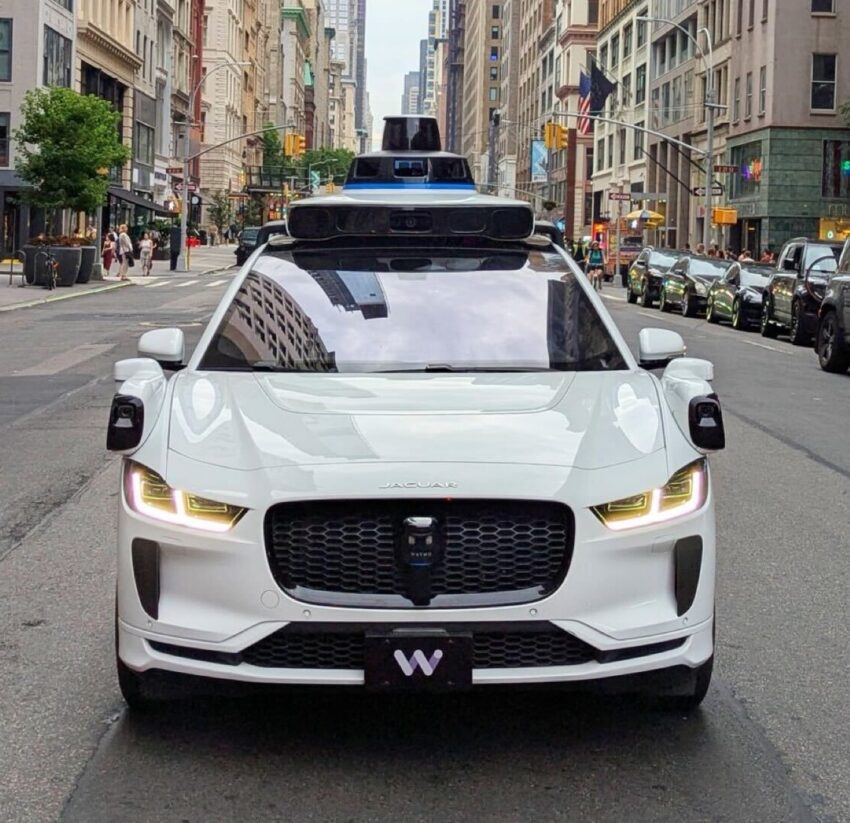
Despite the challenges posed by the blackout, Waymo reported that its robotaxis successfully navigated over 7,000 dark stoplights during the incident. This achievement underscores the capabilities of the company’s autonomous driving system, which is equipped with advanced sensors and algorithms designed to interpret and respond to complex traffic situations.
Technical Challenges During the Blackout
The blackout presented several technical challenges for Waymo’s robotaxis. One of the primary issues was the failure of traffic signals, which are crucial for guiding vehicles at intersections. Without functioning stoplights, the robotaxis had to rely on their onboard systems to make safe decisions. This situation tested the limits of the technology, as the vehicles had to interpret the behavior of other drivers and pedestrians in real-time.
Sensor Limitations
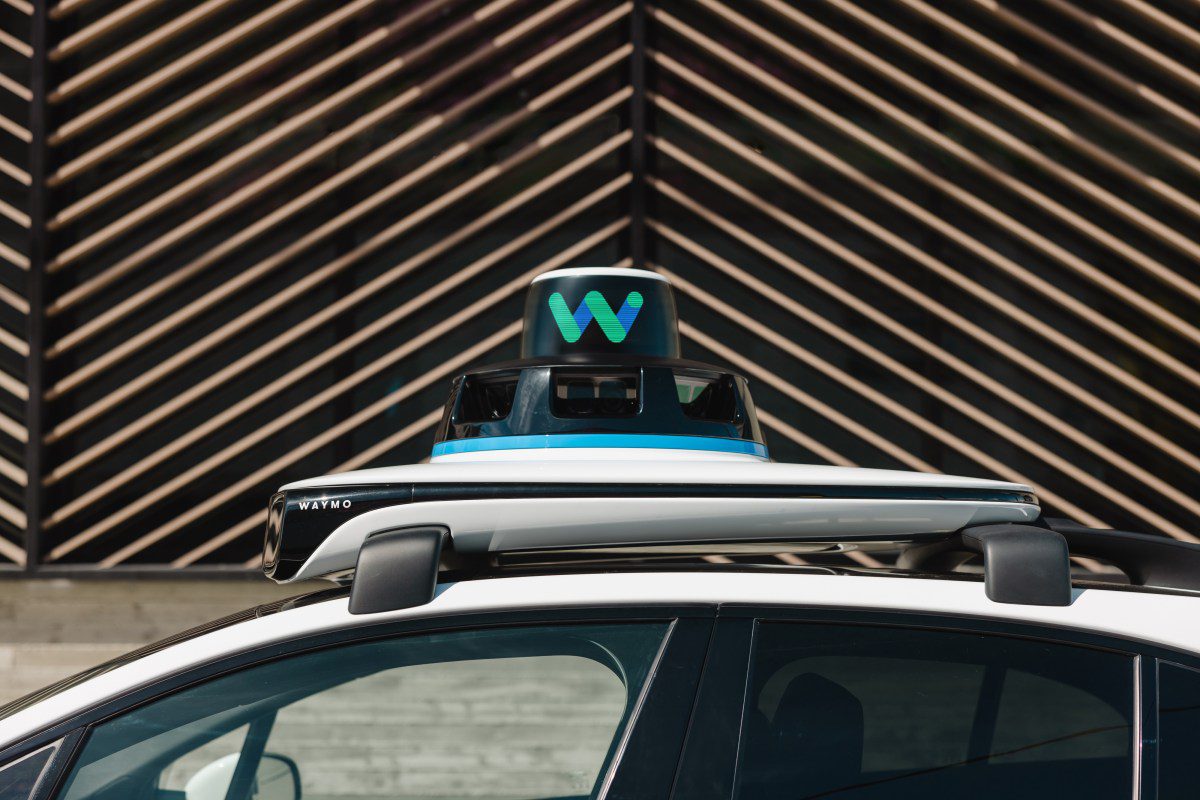
Waymo’s robotaxis utilize a combination of Lidar, cameras, and radar to perceive their surroundings. However, in the absence of functioning traffic signals, the vehicles faced difficulties in determining right-of-way and navigating intersections safely. The sensors are designed to detect other vehicles and obstacles, but the lack of clear signals added complexity to the decision-making process.
Software Adaptations
Waymo’s software is continuously updated to improve the performance of its autonomous vehicles. During the blackout, the company implemented real-time adjustments to its algorithms to enhance the robotaxis’ ability to navigate without traffic signals. These adaptations aimed to ensure that the vehicles could still operate safely and efficiently, even in challenging conditions.
Implications for Autonomous Vehicle Technology
The incident in San Francisco raises important questions about the resilience of autonomous vehicle technology in the face of infrastructure failures. As cities increasingly adopt smart technologies, the reliance on functioning traffic signals and other infrastructure becomes critical. Waymo’s experience during the blackout serves as a reminder of the potential vulnerabilities that autonomous vehicles may face in real-world scenarios.
Public Perception and Trust
Public trust in autonomous vehicle technology is essential for its widespread adoption. Incidents like the one in San Francisco can impact how consumers perceive the safety and reliability of robotaxis. Waymo’s transparent communication regarding the challenges faced during the blackout is crucial for maintaining public confidence. By sharing both successes and difficulties, the company aims to demonstrate its commitment to safety and continuous improvement.
Regulatory Considerations
As autonomous vehicles become more prevalent, regulatory bodies will need to address the implications of infrastructure failures on their operation. The San Francisco blackout highlights the need for clear guidelines on how autonomous vehicles should respond in emergency situations. Policymakers may need to collaborate with technology companies to develop standards that ensure the safe operation of robotaxis, even when traditional traffic management systems fail.
Stakeholder Reactions
The incident prompted reactions from various stakeholders, including city officials, transportation experts, and the public. Many expressed concerns about the reliability of autonomous vehicles in urban environments, particularly during emergencies. Others praised Waymo for its ability to navigate a challenging situation and for its commitment to transparency.
City Officials
City officials acknowledged the challenges posed by the blackout and emphasized the importance of robust infrastructure for the safe operation of autonomous vehicles. They noted that while technology can enhance transportation systems, it is essential to ensure that the underlying infrastructure is resilient and capable of supporting these advancements.
Transportation Experts
Transportation experts highlighted the need for further research into the interaction between autonomous vehicles and urban infrastructure. They pointed out that as cities evolve, the integration of smart technologies must be accompanied by contingency plans for potential failures. This includes developing protocols for autonomous vehicles to follow during power outages or other emergencies.
Future Developments
In light of the challenges faced during the blackout, Waymo is likely to continue refining its technology to enhance the resilience of its robotaxis. The company may invest in further research and development to improve the decision-making capabilities of its vehicles in adverse conditions. Additionally, Waymo may explore partnerships with city officials and infrastructure providers to address the vulnerabilities highlighted by the incident.
Enhancing Infrastructure Collaboration
Collaboration between technology companies and city planners will be crucial in ensuring that autonomous vehicles can operate safely and efficiently. Waymo’s experience during the blackout may serve as a catalyst for discussions on how to improve urban infrastructure to better support autonomous driving technology. This could involve upgrading traffic signals, implementing backup systems, and developing new protocols for emergency situations.
Public Engagement Initiatives
To rebuild and maintain public trust, Waymo may consider launching public engagement initiatives aimed at educating consumers about the capabilities and limitations of autonomous vehicles. By fostering open dialogue with the community, the company can address concerns and provide insights into how its technology is designed to handle various scenarios, including emergencies.
Conclusion
The blackout in San Francisco presented significant challenges for Waymo’s robotaxis, highlighting both the vulnerabilities and strengths of autonomous driving technology. While the incident raised questions about the reliability of robotaxis in adverse conditions, Waymo’s ability to navigate thousands of dark stoplights demonstrates the potential of its technology. As the company continues to refine its systems and collaborate with stakeholders, the lessons learned from this incident will play a crucial role in shaping the future of autonomous transportation.
Source: Original report
Was this helpful?
Explore more: More Hardware & Devices Tech News Blog
Last Modified: December 25, 2025 at 6:38 am
22 views