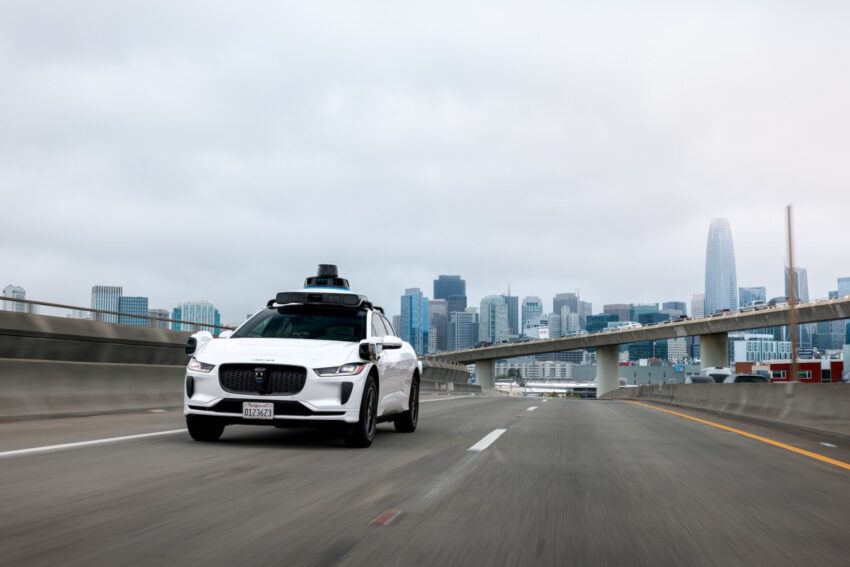
waymo gets regulatory approval to expand across Waymo has received regulatory approval to expand its fully autonomous driving services across the Bay Area and Southern California, marking a significant milestone in the evolution of self-driving technology.
waymo gets regulatory approval to expand across
Waymo’s Expansion Plans
Waymo, a subsidiary of Alphabet Inc., has been at the forefront of autonomous vehicle technology since its inception. The company announced on Friday that it is now “officially authorized to drive fully autonomously across more of the Golden State.” This expansion signifies a major step in Waymo’s ongoing efforts to enhance its robotaxi services, which have already been operational in select areas.
The approval allows Waymo to extend its operations to new regions, increasing the availability of its autonomous ride-hailing services. This move is expected to facilitate greater access to self-driving technology for residents and visitors in these areas, potentially transforming urban mobility.
Regulatory Approval Process
The journey to regulatory approval has been a meticulous process. Waymo has undergone extensive testing and evaluation to demonstrate the safety and reliability of its autonomous vehicles. This includes rigorous assessments by state and federal regulatory bodies, which have scrutinized the technology behind Waymo’s self-driving cars.
In California, the Department of Motor Vehicles (DMV) plays a crucial role in overseeing autonomous vehicle operations. Waymo’s recent approval is a testament to the company’s commitment to safety and compliance with regulatory standards. The DMV’s endorsement indicates that Waymo has met the necessary criteria to operate its vehicles without human intervention in the newly authorized areas.
Technological Advancements
Waymo’s autonomous vehicles are equipped with advanced sensors and artificial intelligence systems that enable them to navigate complex urban environments. The technology includes a combination of LiDAR, cameras, and radar, which work together to create a detailed map of the vehicle’s surroundings.
These technological advancements have been pivotal in ensuring the safety and efficiency of Waymo’s operations. The company has invested heavily in research and development to refine its algorithms and improve the vehicle’s decision-making capabilities. As a result, Waymo’s cars can handle various driving scenarios, from busy intersections to unpredictable pedestrian behavior.
Implications for Urban Mobility
The expansion of Waymo’s services is poised to have significant implications for urban mobility in California. As more people gain access to autonomous ride-hailing options, the demand for traditional taxi services may decline. This shift could lead to a reimagining of urban transportation, with self-driving cars becoming a more prominent mode of travel.
Moreover, the increased availability of autonomous vehicles could alleviate some of the congestion that plagues major cities. By providing an alternative to personal car ownership, Waymo’s services may encourage individuals to opt for ride-hailing instead of driving their own vehicles. This transition could contribute to reduced traffic congestion and lower emissions, aligning with broader environmental goals.
Stakeholder Reactions
The announcement of Waymo’s expansion has elicited a range of reactions from various stakeholders. City officials, transportation advocates, and residents have expressed both excitement and concern regarding the implications of increased autonomous vehicle presence on local roads.
Supporters of autonomous vehicles argue that they can enhance safety by reducing human error, which is a leading cause of traffic accidents. They also point to the potential for improved accessibility for individuals who may not have the ability to drive, such as the elderly or disabled.
Conversely, some critics raise concerns about the safety of autonomous vehicles and their impact on employment within the transportation sector. The prospect of widespread adoption of self-driving cars raises questions about job displacement for taxi drivers and other transportation workers. These concerns highlight the need for a balanced approach to integrating autonomous vehicles into the existing transportation ecosystem.
Future Prospects for Waymo
Looking ahead, Waymo’s expansion into the Bay Area and Southern California is just one part of its broader strategy. The company has ambitious plans to scale its operations further, with aspirations to enter new markets both domestically and internationally. As regulatory frameworks evolve and public acceptance of autonomous technology grows, Waymo aims to position itself as a leader in the autonomous vehicle industry.
Waymo’s focus on safety and reliability will remain paramount as it expands its services. The company is likely to continue its collaboration with regulatory bodies to ensure compliance with evolving standards and to address any concerns that may arise as its fleet grows.
Public Perception and Acceptance
Public perception of autonomous vehicles plays a critical role in the success of companies like Waymo. While there is enthusiasm for the potential benefits of self-driving technology, there is also skepticism and fear stemming from high-profile accidents involving autonomous vehicles.
To foster public trust, Waymo has engaged in community outreach efforts to educate residents about the safety features of its vehicles and the rigorous testing they undergo. By providing transparent information and addressing concerns, Waymo aims to build confidence in its technology and encourage wider adoption of its services.
Conclusion
Waymo’s recent regulatory approval to expand its autonomous driving services across the Bay Area and Southern California marks a pivotal moment in the evolution of self-driving technology. As the company continues to push the boundaries of what is possible in urban mobility, the implications for transportation, safety, and public perception will be closely monitored. The journey towards fully autonomous transportation is ongoing, and Waymo’s advancements will undoubtedly shape the future of how we navigate our cities.
Source: Original report
Was this helpful?
Explore more: More Big Tech & Platforms Tech News Blog
Last Modified: November 23, 2025 at 8:36 am
16 views