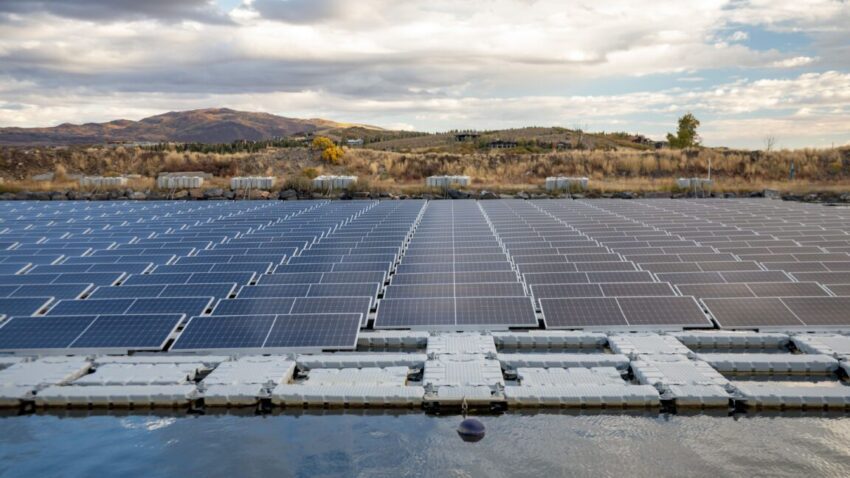
utah leaders hinder efforts to develop solar Utah’s leadership is facing scrutiny as efforts to develop solar energy resources are reportedly being hindered, despite a growing demand for electricity in the state.
utah leaders hinder efforts to develop solar
Growing Energy Demands in Utah
Utah Governor Spencer Cox has articulated a pressing need for increased energy production in the state. With projections indicating that Utah will require as much electricity in the next five years as it generated throughout the entirety of the last century, the urgency is palpable. This demand surge is driven by a combination of factors, including a burgeoning population and the state’s efforts to attract data centers and artificial intelligence developers, which are seen as pivotal for economic growth.
In response to these challenges, Governor Cox announced Operation Gigawatt last year. This initiative aims to double the state’s energy production within the next decade. While the announcement generated excitement, it was notably short on specifics regarding how this ambitious goal would be achieved. Cox, a Republican, emphasized an “any of the above” approach, indicating that his administration would seek to expand all sources of energy production, including fossil fuels, nuclear, and renewable energy sources.
Solar Energy’s Role in Utah’s Future
Among the various energy sources, solar power has emerged as a significant player in Utah’s energy landscape. In recent years, solar energy has been coming online at a rapid pace, outpacing other forms of energy generation. Currently, solar accounts for two-thirds of the new projects waiting to connect to the state’s power grid. This growth reflects a broader trend across the United States, where renewable energy sources are increasingly being recognized for their potential to meet future energy demands sustainably.
Legislative Challenges
Despite the clear potential of solar energy, the Utah Legislature, dominated by a Republican supermajority, has recently taken a hard stance against its expansion. This shift is particularly concerning given the state’s energy goals and the pressing need for new power sources. The legislative body has proposed measures that could significantly hinder the development of solar projects, raising questions about the commitment to renewable energy in the state.
Critics argue that these legislative actions are counterproductive, especially in light of the growing energy demands and the potential economic benefits associated with solar energy development. The reluctance to embrace solar power may not only stifle innovation but could also impede Utah’s ability to attract new businesses and investment in the renewable energy sector.
Stakeholder Reactions
The response from various stakeholders has been mixed. Environmental advocates and renewable energy proponents have expressed frustration over the legislative pushback against solar energy. They argue that the state should be capitalizing on its abundant sunlight to foster a robust solar industry that could provide jobs, stimulate economic growth, and contribute to a more sustainable energy future.
On the other hand, some lawmakers and constituents have raised concerns about the reliability and cost-effectiveness of solar energy. They argue that while solar power has its merits, it should not be prioritized at the expense of other energy sources that may provide more consistent and reliable power. This debate highlights the complexities involved in energy policy and the balancing act that lawmakers must navigate as they seek to meet the state’s energy needs.
Economic Implications
The economic implications of the current legislative stance on solar energy are significant. As the demand for electricity continues to rise, the state faces the risk of falling behind in the renewable energy sector. Other states are aggressively pursuing solar energy initiatives, positioning themselves as leaders in the clean energy transition. Utah’s hesitance to fully embrace solar power could result in missed opportunities for job creation and economic development.
Moreover, the potential for attracting data centers and AI developers hinges on the availability of reliable and sustainable energy sources. If Utah cannot demonstrate a commitment to renewable energy, it may find itself at a competitive disadvantage compared to other states that are actively promoting clean energy solutions.
Future Outlook
Looking ahead, the future of solar energy in Utah remains uncertain. The state’s leadership has a critical decision to make regarding its energy policy and the role that solar power will play in meeting the growing energy demands. As Governor Cox’s Operation Gigawatt initiative unfolds, it will be essential for stakeholders to engage in constructive dialogue about the best path forward.
To effectively address the energy challenges facing Utah, a comprehensive energy strategy that includes a robust commitment to solar energy may be necessary. This approach could involve revisiting legislative measures that currently hinder solar development and fostering an environment that encourages investment in renewable energy projects.
Potential Solutions
Several potential solutions could help facilitate the growth of solar energy in Utah. These include:
- Incentives for Solar Development: Implementing tax credits or subsidies for solar projects could encourage investment and accelerate the deployment of solar energy systems.
- Streamlined Permitting Processes: Simplifying the permitting process for solar projects could reduce barriers to entry and expedite the development timeline.
- Public-Private Partnerships: Collaborating with private companies and organizations could leverage additional resources and expertise to advance solar initiatives.
- Community Engagement: Involving local communities in the planning and decision-making process could foster greater support for solar projects and address concerns about land use and environmental impacts.
Conclusion
As Utah grapples with the challenge of meeting its growing energy demands, the role of solar energy cannot be overlooked. While the state has ambitious goals for energy production, the current legislative climate poses significant obstacles to the expansion of solar power. Stakeholders must work collaboratively to navigate these challenges and develop a comprehensive energy strategy that embraces the potential of renewable energy sources. The future of Utah’s energy landscape will depend on the decisions made today, and a commitment to solar energy could play a pivotal role in shaping a sustainable and prosperous future for the state.
Source: Original report
Was this helpful?
Explore more: DevOps Services More Cloud & DevOps Tech News
Last Modified: December 17, 2025 at 7:40 am
32 views