us intel officials concerned china will soon US intelligence officials have expressed growing concern that China is on the verge of mastering reusable launch technology, a capability that could significantly alter the balance of power in space exploration and satellite deployment.
us intel officials concerned china will soon
Recent Milestones in Reusable Rocket Technology
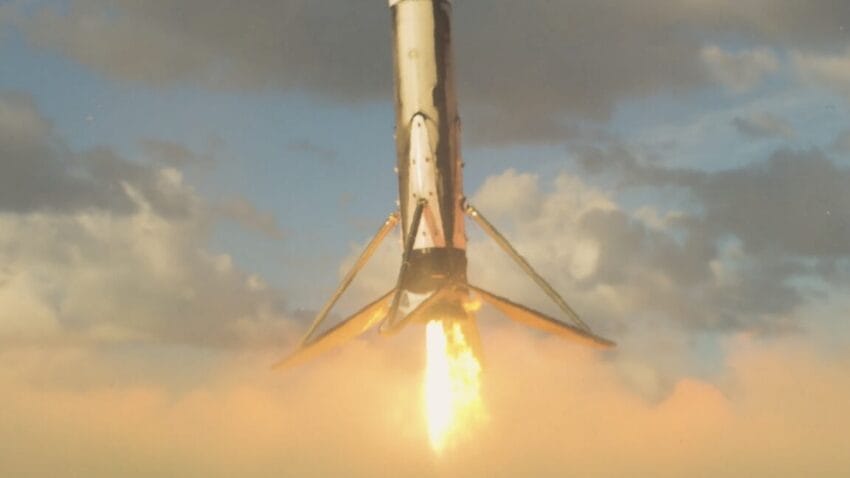
SpaceX recently celebrated a significant achievement with the 500th landing of a Falcon 9 first stage booster during a routine mission that successfully deployed 28 Starlink communications satellites into orbit. This milestone not only underscores SpaceX’s pioneering role in the realm of reusable rockets but also highlights the company’s commitment to enhancing the efficiency and cost-effectiveness of space travel. The company is on track to complete its 500th re-flight of a Falcon first stage later this year, further solidifying its position as a leader in the industry.
The ability to reuse rocket components has revolutionized space travel, drastically reducing costs and increasing the frequency of launches. SpaceX’s innovative approach has set a high bar for other companies in the sector, making it a formidable competitor on the global stage. As the company continues to achieve these milestones, it raises the stakes for other players in the space industry.
Emerging Competitors in the US
While SpaceX remains the dominant force in reusable launch technology, several other American companies are making strides in this area. Notable competitors include:
- Blue Origin: Founded by Amazon’s Jeff Bezos, Blue Origin is developing its New Glenn rocket, which aims to compete in the commercial launch market.
- Rocket Lab: Known for its Electron rocket, Rocket Lab is working on reusability features to enhance its launch capabilities.
- Relativity Space: This company is leveraging 3D printing technology to create rockets more efficiently, with a focus on reusability.
- Stoke Space: Stoke is developing a fully reusable rocket system designed to reduce costs and increase launch frequency.
These companies are racing against a backdrop of increasing competition from Chinese rocket builders, who are also making significant investments in reusable launch technology. However, experts believe it will take many years—perhaps a decade or longer—before any of these competitors can match the launch frequency and reliability that SpaceX has achieved.
The Strategic Importance of Reusable Launch Technology
The advancements in reusable launch technology are not merely a matter of commercial interest; they have significant implications for national security and geopolitical dynamics. US Space Force officials have indicated that SpaceX’s dominance in this field provides a crucial advantage for the United States in its ongoing competition with China in space.
As nations increasingly recognize the strategic importance of space, the ability to launch satellites and conduct missions efficiently and cost-effectively becomes paramount. The United States has long held a leadership position in space exploration, but the rapid advancements made by China in recent years pose a serious challenge to that status.
China’s Progress in Space Technology
China has made remarkable strides in its space program, successfully launching a series of missions that showcase its growing capabilities. The country has developed its own reusable rocket systems, such as the Long March 8, which is designed to be partially reusable. This development indicates that China is not only catching up but may soon be able to compete directly with established players like SpaceX.
Chinese officials have expressed ambitions to establish a permanent presence in space, including plans for a lunar base and crewed missions to Mars. The mastery of reusable launch technology would be a critical component of these plans, allowing for more frequent and cost-effective missions.
Implications for US National Security
The potential for China to achieve parity or superiority in reusable launch technology raises significant concerns for US national security. The ability to deploy satellites quickly and efficiently is essential for military communications, reconnaissance, and navigation systems. As China continues to advance its capabilities, the US may find itself at a strategic disadvantage.
US intelligence officials have noted that the race for dominance in space is not just about exploration; it is also about maintaining technological superiority. The implications of this competition extend beyond military applications, affecting economic interests and international relations as well.
Stakeholder Reactions
The growing concern among US officials has prompted various stakeholders to react. Defense analysts and policymakers are advocating for increased investment in space technology and research to ensure that the US maintains its competitive edge. This includes funding for new technologies, partnerships with private companies, and fostering innovation within the space sector.
Moreover, there is a call for collaboration among US companies to share knowledge and resources in the development of reusable launch systems. By pooling expertise, these companies can accelerate their progress and better position themselves against emerging competitors.
Future Prospects and Challenges
Looking ahead, the landscape of reusable launch technology is likely to evolve rapidly. As more companies enter the market and existing players continue to innovate, the competition will intensify. This could lead to further advancements in technology, potentially lowering costs and increasing access to space.
However, challenges remain. The development of reusable rockets involves significant technical hurdles, including ensuring reliability and safety. Companies must also navigate regulatory environments and secure funding to support their research and development efforts.
Conclusion
The race for reusable launch technology is more than just a commercial endeavor; it is a critical component of national security and global competitiveness. As SpaceX continues to lead the way, other US companies are striving to catch up, while China is rapidly advancing its capabilities. The implications of this competition will shape the future of space exploration and the balance of power in the coming years.
In this context, the US must remain vigilant and proactive in its approach to space technology, ensuring that it retains its leadership position in an increasingly competitive landscape.
Source: Original report
Was this helpful?
Explore more: More Hardware & Devices Tech News Blog
Last Modified: September 23, 2025 at 6:36 am
7 views