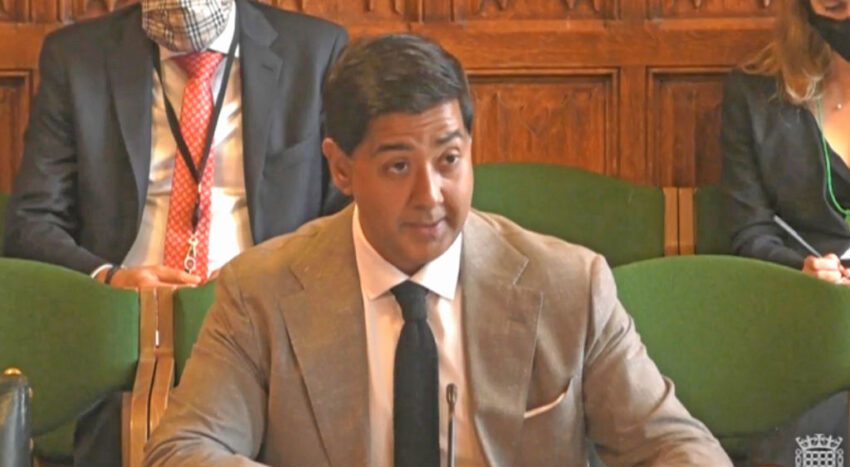
us can t deport hate speech researcher Imran Ahmed, a prominent hate speech researcher, has found himself at the center of a legal battle with the U.S. government, which has attempted to deport him based on his protected speech rights.
us can t deport hate speech researcher
Background on Imran Ahmed and His Work
Imran Ahmed is the founder and CEO of the Center for Countering Digital Hate (CCDH), an organization dedicated to combating online hate speech and misinformation. His research has focused on identifying and countering harmful narratives that proliferate on social media platforms, particularly those that incite violence or discrimination against marginalized communities. Ahmed’s work has gained significant attention, especially in the context of rising hate speech and extremism on the internet.
His efforts have not been without controversy. In 2022, following Elon Musk’s acquisition of Twitter, Ahmed became one of Musk’s early legal adversaries. The platform’s new direction under Musk raised concerns about the potential for increased hate speech and misinformation, prompting Ahmed to speak out against the changes. This vocal opposition has positioned him as a significant figure in the ongoing discourse surrounding free speech, hate speech, and the responsibilities of tech companies.
Legal Challenges and Deportation Threat
In December 2025, Ahmed faced a new and alarming challenge: the Trump administration initiated deportation proceedings against him. As a legal permanent resident, Ahmed had built a life in the United States, where he lives with his wife and young child, both of whom are U.S. citizens. The timing of the deportation attempt, just before Christmas, added a layer of urgency and emotional weight to the situation.
Ahmed’s legal team quickly responded by filing a lawsuit against U.S. officials, seeking to block any attempts at his arrest or deportation. The lawsuit highlighted the potential for “irreparable harm” that Ahmed would face if deported, arguing that the actions of Trump officials represented a misuse of the immigration system to target individuals based on their speech. Ahmed contended that the government was attempting to silence viewpoints it disagreed with, effectively chilling free expression.
Temporary Restraining Order Granted
On Christmas Day, Ahmed was granted a temporary restraining order, which prevented U.S. officials from proceeding with his deportation. This legal victory was significant, as it underscored the importance of protecting free speech rights, even in the face of government actions that may seek to punish individuals for their viewpoints. Ahmed’s case has drawn attention to the broader implications of using immigration laws as a tool for silencing dissent.
Implications of the Case
The legal battle between Ahmed and the U.S. government raises critical questions about the intersection of free speech, immigration policy, and the role of government in regulating discourse. If the government can successfully deport individuals based on their speech, it sets a dangerous precedent that could undermine the First Amendment rights of many others.
Moreover, the case highlights the ongoing tensions surrounding hate speech in the digital age. As social media platforms grapple with the challenge of moderating content, researchers like Ahmed play a vital role in documenting and addressing the harms caused by online hate. The potential deportation of a prominent researcher sends a chilling message to others in the field, suggesting that speaking out against hate speech could have dire consequences.
Reactions from Stakeholders
The response to Ahmed’s situation has been varied, with stakeholders from different sectors weighing in on the implications of the case. Civil rights organizations have expressed concern over the government’s actions, arguing that targeting individuals for their speech undermines fundamental democratic principles. Many advocates for free speech have rallied behind Ahmed, emphasizing the need to protect researchers and activists who work to combat hate and misinformation.
On the other hand, some critics argue that Ahmed’s work could be seen as politically motivated, suggesting that his research may contribute to a biased narrative against certain groups. This perspective raises questions about the balance between protecting free speech and addressing the potential harms that can arise from hate speech. The debate is further complicated by the fact that social media platforms often struggle to define and enforce policies around hate speech, leading to inconsistent moderation practices.
Broader Context of Hate Speech and Free Expression
The Ahmed case is emblematic of a larger struggle in contemporary society: the balance between free expression and the need to protect individuals from harm. In recent years, the rise of online hate speech has prompted calls for stricter regulations and accountability for tech companies. However, these efforts often clash with First Amendment protections, creating a complex landscape for policymakers and advocates alike.
In the U.S., the First Amendment protects a wide range of speech, including hate speech, as long as it does not incite violence or pose a direct threat to public safety. This legal framework complicates efforts to address hate speech without infringing on individuals’ rights to express their opinions, no matter how controversial. The challenge lies in finding a way to hold individuals and platforms accountable for the dissemination of harmful content while still upholding constitutional protections.
Future of Hate Speech Research
As the legal battle unfolds, the future of hate speech research remains uncertain. Researchers like Ahmed play a crucial role in documenting the impact of hate speech on society and advocating for policies that promote safer online environments. However, the threat of deportation and other punitive measures can deter individuals from engaging in this important work.
Furthermore, the implications of this case extend beyond Ahmed himself. If the government can successfully deport a prominent researcher, it may discourage others from pursuing similar paths, ultimately stifling critical discourse around hate speech and its effects. The chilling effect on free speech could have long-term consequences for the field of hate speech research and the broader fight against online hate.
Conclusion
Imran Ahmed’s legal battle against the U.S. government’s deportation efforts underscores the complex interplay between free speech, immigration policy, and the fight against hate speech. As the case progresses, it will be essential to monitor its implications for researchers and activists working to combat online hate. The outcome may set a precedent that could either strengthen or weaken the protections afforded to individuals speaking out against hate and misinformation in the digital age.
Source: Original report
Was this helpful?
Explore more: More Big Tech & Platforms Tech News Blog
Last Modified: December 30, 2025 at 7:36 am
9 views