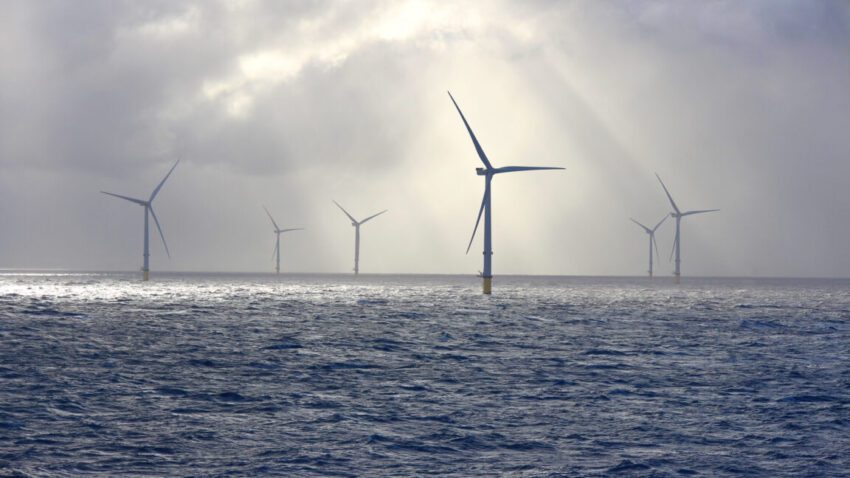
us blocks all offshore wind construction says The US government has announced a significant pause on all offshore wind construction, citing a classified report as the reason for this unexpected halt.
us blocks all offshore wind construction says
Overview of the Decision
On Monday, the US Department of the Interior made a startling announcement: it is pausing the leases on all five offshore wind sites currently under construction in the United States. This decision comes despite the fact that substantial hardware has already been installed both in the water and on land for these projects. Notably, one of these projects is nearing completion. The Interior Department’s rationale for this pause appears to stem from a classified report issued by the Department of Defense, though specific details regarding the report have not been disclosed.
Historical Context
The current administration’s stance on offshore wind power has been contentious since its inception. On the very first day of the Trump administration, an executive order was issued that called for a temporary halt to the issuance of permits for new offshore wind projects. This order was intended to allow for a re-evaluation of the permitting process, but it faced significant legal challenges. Earlier this month, a judge vacated the executive order, noting that the government had provided no evidence to suggest that it was actively pursuing the re-evaluation it claimed was necessary.
Legal Challenges and Previous Attempts to Halt Projects
Despite the legal setbacks, the administration has made several attempts to disrupt ongoing offshore wind projects. For instance, the Empire Wind project, which is expected to generate 800 megawatts (MW) of energy and is being constructed off the coast of New York, faced a temporary halt imposed by the Department of the Interior. The department alleged that the project had been rushed through the permitting process. However, after extensive lobbying and negotiations led by New York officials and the project developer, Orsted, the hold was lifted. The Interior Department did not provide a clear explanation for its change of heart.
Similarly, the Revolution Wind project, located off the southern coast of New England and also developed by Orsted, encountered legal challenges when the Department of the Interior attempted to block its progress. Orsted took the government to court and ultimately won a ruling that allowed construction to continue. These instances highlight the contentious relationship between the government and offshore wind developers, raising questions about the future of renewable energy initiatives in the United States.
Current Projects Affected
The decision to pause all offshore wind construction affects several key projects that have already made significant progress. Among them are:
- Empire Wind: Located off the coast of New York, this project is designed to produce 800 MW of renewable energy.
- Revolution Wind: Situated off the southern coast of New England, this project is also being developed by Orsted and is expected to contribute significantly to the region’s energy supply.
- Other Projects: The remaining three offshore wind sites under construction are also facing uncertainty as a result of this announcement.
Implications for Renewable Energy
The pause on offshore wind construction raises significant concerns about the future of renewable energy in the United States. Offshore wind power has been touted as a crucial component of the country’s strategy to transition to cleaner energy sources. With the increasing urgency to combat climate change, the halt in construction could have far-reaching implications for both the environment and the economy.
Experts argue that the United States needs to accelerate its investment in renewable energy to meet its climate goals. The Biden administration has set ambitious targets for reducing greenhouse gas emissions and increasing the share of renewable energy in the national energy mix. However, the recent decision to pause offshore wind projects could hinder progress toward these goals.
Stakeholder Reactions
The announcement has elicited a range of reactions from stakeholders across the energy sector. Environmental advocates, who have long supported the expansion of renewable energy, expressed disappointment and concern over the pause. Many argue that offshore wind is essential for reducing reliance on fossil fuels and achieving climate targets.
Conversely, some industry representatives have welcomed the pause as an opportunity for further evaluation of the environmental impacts associated with offshore wind projects. They argue that a thorough assessment is necessary to ensure that these projects do not adversely affect marine ecosystems or local communities.
Government and Regulatory Responses
In response to the announcement, various government officials have weighed in. Some have called for transparency regarding the classified report that led to the decision. They argue that stakeholders deserve to understand the rationale behind the pause, especially given the significant investments made in these projects.
Additionally, regulatory bodies are likely to face increased pressure to clarify the permitting process for offshore wind projects. The uncertainty surrounding the current pause may lead to calls for reforms aimed at streamlining the approval process while ensuring environmental protections are upheld.
Future of Offshore Wind in the US
The future of offshore wind energy in the United States remains uncertain in light of this recent announcement. While the Biden administration has expressed strong support for renewable energy initiatives, the pause on construction raises questions about the government’s commitment to these projects. Industry experts are closely monitoring the situation, as the outcome could set a precedent for future renewable energy developments.
Potential Path Forward
To navigate this challenging landscape, stakeholders may need to engage in constructive dialogue with government officials to address concerns and find common ground. This could involve:
- Increased Transparency: Advocating for the declassification of the report that prompted the pause could help restore confidence among stakeholders.
- Collaborative Efforts: Encouraging collaboration between government agencies, environmental groups, and industry representatives may lead to more balanced decision-making.
- Public Engagement: Involving local communities in discussions about offshore wind projects can help address concerns and build support for renewable energy initiatives.
Conclusion
The decision to pause all offshore wind construction in the United States marks a significant moment in the ongoing struggle to balance energy development with environmental protection. As the country grapples with the challenges of climate change and the transition to renewable energy, the implications of this pause will likely resonate throughout the energy sector for years to come. Stakeholders must work together to navigate the complexities of this situation, ensuring that the United States remains on a path toward a sustainable energy future.
Source: Original report
Was this helpful?
Explore more: More General Technology Tech News Blog
Last Modified: December 23, 2025 at 3:39 pm
9 views