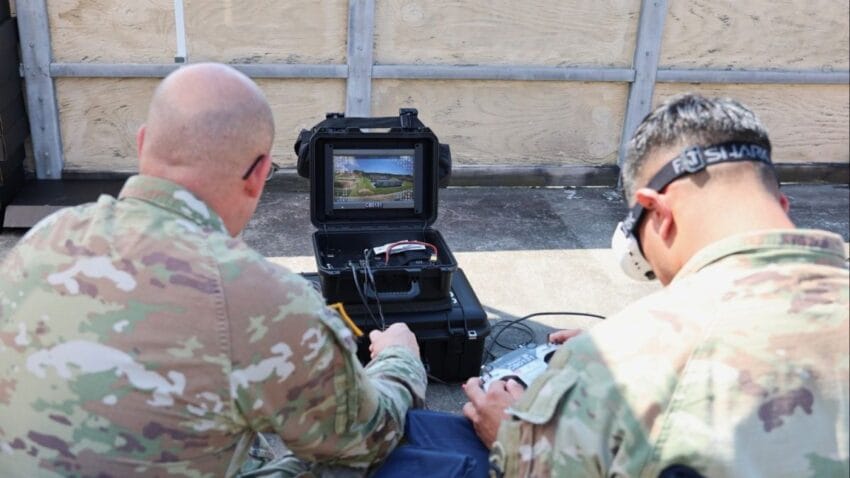
us soldiers learn to 3d print and fly drones in new army course – 3-week boot camp covers everything from printer maintenance to fpv operation: The U.S. Army has launched a new three-week training course aimed at equipping soldiers with the skills to 3D print and operate drones. This initiative is part of the Army’s strategy to integrate advanced technologies into military operations, enhancing the efficiency and effectiveness of personnel in the field. By empowering soldiers to create and deploy their own drones, the Army seeks to modernize its approach to various missions, reducing dependency on external suppliers and increasing adaptability in dynamic operational environments.
Key takeaways
- The new training course lasts three weeks and focuses on 3D printing and drone operation.
- Soldiers will learn maintenance of 3D printers and flying drones using first-person view (FPV) goggles.
- The initiative aims to reduce reliance on external suppliers and increase mission adaptability.
- This training reflects the Army’s commitment to integrating innovative technologies into military applications.
The curriculum of this course encompasses both theoretical knowledge and practical skills. Soldiers will receive comprehensive instruction on the maintenance of 3D printers, which is critical for ensuring that these machines operate effectively and produce high-quality components. Understanding printer maintenance allows soldiers to troubleshoot issues that may arise during the production process, ensuring they can manufacture drone parts without delays. This self-sufficiency is vital in operational settings where time and resources may be limited.
In addition to printer maintenance, the course covers the fundamentals of flying drones. Soldiers will learn to operate drones equipped with first-person view (FPV) technology. FPV flying allows operators to experience a real-time video feed from the drone’s perspective, enhancing situational awareness and control during flight. This skill is particularly valuable in military operations, where aerial assessments can provide crucial intelligence and support decision-making processes.
Hands-on experience is a vital aspect of the training. Soldiers will engage in the design and production of drone components, helping them understand the intricacies of drone technology. This practical training reinforces theoretical knowledge and empowers soldiers to innovate and adapt drone designs for specific mission requirements. By learning to create their own components, soldiers can customize drones to meet the unique challenges they may face in the field, enhancing their operational capabilities.
Integration of Advanced Technologies
The introduction of this training program reflects the Army’s broader strategy to integrate advanced technologies into military operations. The use of 3D printing is particularly significant, as it allows for rapid prototyping and production of equipment. This capability can be crucial in combat situations, where the ability to produce necessary tools and components on-site can significantly enhance operational effectiveness.
Traditionally, military units have relied on external suppliers for equipment and spare parts, leading to delays and increased logistical challenges. By equipping soldiers with the skills to 3D print their own drone components, the Army aims to reduce this dependency. On-site production not only streamlines the supply chain but also allows for greater flexibility in responding to evolving mission needs. Soldiers can quickly adapt their drone capabilities based on real-time intelligence and operational requirements, which is a significant advantage in fast-paced environments.
Moreover, the Army’s initiative to train soldiers in 3D printing and drone operation aligns with the increasing emphasis on innovation within military frameworks. As technology continues to advance, the ability to harness these innovations can provide a competitive edge. The Army is committed to fostering a culture of creativity among its personnel, encouraging them to think critically about how they can utilize drone technology to enhance mission outcomes.
Potential Applications of Drone Technology
The potential applications of drones in military operations are vast and varied. Drones can be deployed for reconnaissance, surveillance, and even the delivery of supplies to troops in the field. With the ability to 3D print drone components, soldiers can create specialized drones tailored for specific missions. For instance, they might design drones equipped with cameras for intelligence gathering or modify existing designs to carry payloads for logistical support.
Furthermore, the training program emphasizes the importance of creativity and innovation in military operations. Soldiers are encouraged to explore different ways to leverage drone technology to enhance their missions. This focus on innovation aligns with the Army’s goal of fostering a culture of adaptability and forward-thinking among its personnel. As soldiers gain experience in designing and operating drones, they will contribute to the development of new tactics and strategies that can improve mission effectiveness.
Challenges and Considerations
While the benefits of this training program are clear, there are challenges that the Army must address. One concern is ensuring that soldiers receive adequate training in the complexities of drone operation and 3D printing technology. As these technologies continue to evolve, ongoing training will be necessary to keep pace with advancements and maintain operational effectiveness. The Army will need to establish a robust training framework that includes regular updates and refresher courses to ensure soldiers remain proficient in these critical skills.
Additionally, the Army must consider the security implications of 3D printing and drone technology. As soldiers gain the ability to produce their own drones, there is a risk that sensitive information or technology could be compromised. The Army will need to implement stringent security measures to protect against potential threats, ensuring that the technology remains in the hands of trained personnel and is not misused. This includes developing protocols for the secure handling of 3D printed components and establishing guidelines for the ethical use of drone technology in military operations.
The Future of Military Training
The introduction of this 3D printing and drone operation course is indicative of a broader trend in military training. As technology continues to advance, the Army is increasingly focused on equipping soldiers with the skills necessary to leverage these innovations effectively. This training initiative represents a significant step toward modernizing military education and preparing personnel for the challenges of contemporary warfare.
As the Army explores the potential of 3D printing and drone technology, it is likely that similar training programs will be developed for other advanced technologies. The integration of artificial intelligence, robotics, and enhanced communication systems may also become focal points in future training initiatives. By embracing these technologies, the Army aims to create a more capable and adaptable fighting force that can respond to a wide range of operational scenarios.
In conclusion, the U.S. Army’s new training course on 3D printing and drone operation marks a significant advancement in military training and operational capabilities. By empowering soldiers with the skills to produce and operate drones, the Army is not only enhancing its technological capabilities but also fostering a culture of innovation and adaptability. As the military continues to integrate advanced technologies into its operations, programs like this will play a crucial role in preparing personnel for the complexities of modern warfare.
Source: https://www.tomshardware.com/3d-printing/u-s-soldiers-learn-to-3d-print-and-fly-drones-in-new-army-course-3-week-boot-camp-covers-everything-from-printer-maintenance-to-fpv-operation
Was this helpful?
Explore more: More General Technology Tech News Blog
Last Modified: August 27, 2025 at 4:50 am
13 views