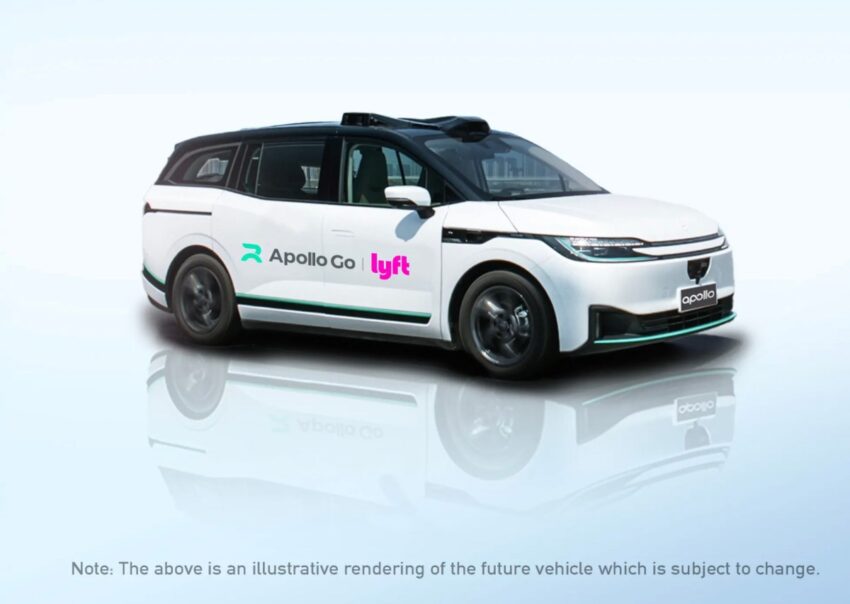
uber and lyft to test baidu robotaxis Uber and Lyft are set to expand their autonomous vehicle initiatives by testing Baidu’s robotaxis in London next year, marking a significant step in the evolution of urban mobility.
uber and lyft to test baidu robotaxis
Overview of the Robotaxi Market
The robotaxi market has been gaining momentum as companies race to develop autonomous vehicles capable of providing safe and efficient transportation. With advancements in artificial intelligence, machine learning, and sensor technology, the dream of fully autonomous vehicles is becoming increasingly feasible. Major players in this space, including Waymo, Uber, and Lyft, are investing heavily in research and development to bring these technologies to market.
Robotaxis are designed to operate without human intervention, using a combination of cameras, radar, and lidar to navigate urban environments. The potential benefits of this technology include reduced traffic congestion, lower transportation costs, and enhanced accessibility for individuals who cannot drive. As cities around the world grapple with the challenges of urbanization, robotaxis could offer a viable solution to improving mobility.
Uber and Lyft’s Strategic Move
Uber and Lyft’s decision to test Baidu’s robotaxis in London is a strategic move that reflects their commitment to remaining competitive in the rapidly evolving transportation landscape. Both companies have previously explored autonomous vehicle technology but have faced challenges in scaling their efforts. By partnering with Baidu, a leader in AI and autonomous driving technology, they aim to leverage Baidu’s expertise to enhance their own robotaxi offerings.
Baidu’s Role in the Partnership
Baidu, often referred to as the “Google of China,” has made significant strides in the development of autonomous driving technology through its Apollo project. This initiative focuses on creating an open-source platform for autonomous vehicles, enabling various stakeholders to collaborate and innovate. Baidu’s experience in deploying robotaxis in China provides a valuable foundation for the upcoming tests in London.
The partnership with Uber and Lyft allows Baidu to expand its reach beyond the Chinese market, tapping into the lucrative opportunities presented by Western cities. The collaboration is expected to combine Baidu’s technological capabilities with Uber and Lyft’s established ride-hailing networks, creating a robust ecosystem for autonomous transportation.
The London Testing Initiative
The decision to test Baidu’s robotaxis in London is particularly noteworthy given the city’s reputation as a global hub for innovation and technology. London has been proactive in exploring the potential of autonomous vehicles, with various trials and pilot programs already underway. The city’s regulatory environment is increasingly supportive of autonomous technology, making it an attractive location for such initiatives.
Regulatory Environment
London’s regulatory framework has evolved to accommodate the testing of autonomous vehicles. The UK government has expressed a commitment to becoming a leader in the development of self-driving technology, recognizing its potential to transform transportation. This supportive environment is crucial for companies like Uber, Lyft, and Baidu as they seek to navigate the complexities of deploying robotaxis in urban settings.
In addition to regulatory support, London offers a diverse and densely populated urban landscape, providing an ideal testing ground for autonomous vehicles. The city’s intricate road networks and varied traffic conditions will allow the companies to assess the performance of Baidu’s robotaxis in real-world scenarios.
Implications for the Ride-Hailing Industry
The introduction of robotaxis has significant implications for the ride-hailing industry. As autonomous vehicles become more prevalent, traditional ride-hailing services may need to adapt their business models to remain competitive. The shift towards automation could lead to reduced operational costs, allowing companies to offer lower fares to consumers.
Moreover, the integration of robotaxis into existing ride-hailing platforms could enhance the overall user experience. Passengers may benefit from shorter wait times and increased availability of vehicles, particularly in high-demand areas. However, this transition also raises questions about job displacement for drivers, as the industry moves towards automation.
Stakeholder Reactions
Reactions to the announcement of Uber and Lyft testing Baidu’s robotaxis have been mixed. Proponents of autonomous technology argue that it represents a significant step towards safer and more efficient transportation. They highlight the potential for reduced traffic accidents, as autonomous vehicles are designed to adhere to traffic laws and respond to hazards more effectively than human drivers.
Conversely, critics express concerns about the implications of widespread automation for employment. The transition to robotaxis could displace thousands of drivers who rely on ride-hailing platforms for their livelihoods. Advocacy groups are calling for policies to support affected workers, including retraining programs and social safety nets.
Future of Autonomous Vehicles
The collaboration between Uber, Lyft, and Baidu is just one example of the broader trend towards the adoption of autonomous vehicles. As technology continues to advance, it is likely that more companies will enter the robotaxi market, intensifying competition and driving innovation. The future of transportation may see a blend of human-driven and autonomous vehicles coexisting on the roads, each serving different needs and preferences.
Technological Challenges
Despite the promising outlook for robotaxis, several technological challenges remain. Ensuring the safety and reliability of autonomous vehicles is paramount, as any accidents or malfunctions could undermine public trust in the technology. Companies must invest in rigorous testing and validation processes to demonstrate the effectiveness of their systems.
Additionally, the integration of robotaxis into existing transportation networks presents logistical challenges. Companies must work closely with city planners and transportation authorities to develop strategies for managing the flow of autonomous vehicles in urban environments. This includes considerations for traffic management, parking, and interactions with pedestrians and cyclists.
Conclusion
The upcoming tests of Baidu’s robotaxis in London by Uber and Lyft represent a significant milestone in the evolution of urban mobility. As these companies explore the potential of autonomous vehicles, they are not only shaping the future of transportation but also addressing the challenges and opportunities that come with it. The collaboration between these industry leaders highlights the importance of partnerships in driving innovation and advancing the development of autonomous technology.
As the robotaxi market continues to evolve, stakeholders will need to navigate the complexities of regulation, technology, and public perception. The outcome of these tests in London could have far-reaching implications for the future of ride-hailing and urban transportation as a whole.
Source: Original report
Was this helpful?
Explore more: More Consumer Technology Tech News Blog
Last Modified: December 23, 2025 at 4:39 am
5 views