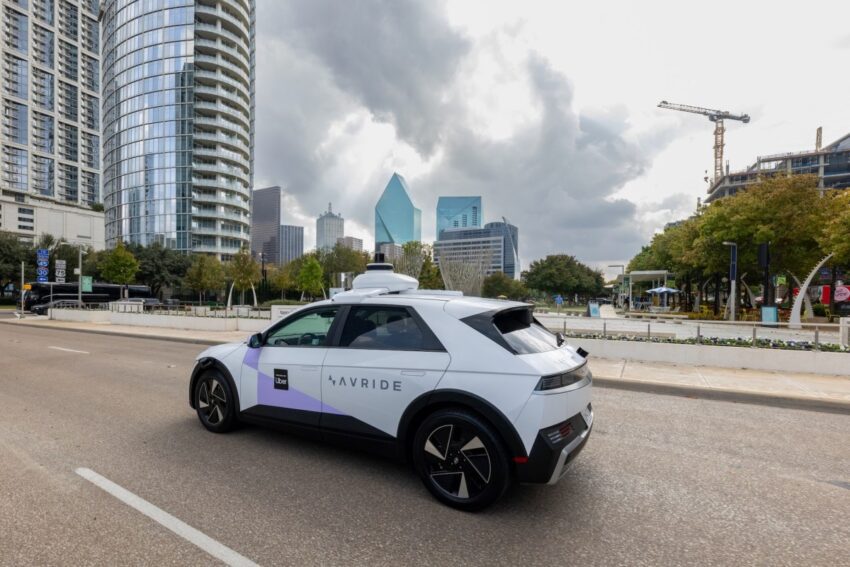
uber and avride launch robotaxi service in Uber and Avride have officially launched a robotaxi service in Dallas, marking a significant step forward in the evolution of autonomous transportation.
uber and avride launch robotaxi service in
Overview of the Launch
The introduction of the robotaxi service in Dallas is a collaboration between Uber, a leader in ride-hailing services, and Avride, a company specializing in autonomous vehicle technology. This partnership aims to provide an innovative transportation solution that leverages cutting-edge technology to enhance urban mobility. The service is set to begin with a fleet of autonomous vehicles equipped with advanced sensors and software designed to navigate city streets safely and efficiently.
Initial Operations and Safety Measures
In its initial phase, the robotaxi service will feature a human safety operator present in each vehicle. This operator will monitor the ride and intervene if necessary, ensuring passenger safety as the technology is tested in real-world conditions. The decision to include a human operator reflects a cautious approach to deploying autonomous vehicles, prioritizing safety while gathering valuable data to improve the system.
Technology Behind the Robotaxis
The robotaxis utilize a combination of artificial intelligence, machine learning, and sophisticated sensor technology to navigate complex urban environments. These vehicles are equipped with:
- Lidar: This technology uses laser light to create a detailed 3D map of the surroundings, allowing the vehicle to detect obstacles, pedestrians, and other vehicles.
- Radar: Radar systems help in monitoring the speed and distance of nearby objects, providing critical information for safe navigation.
- Cameras: High-definition cameras capture visual data, enabling the vehicle to recognize traffic signals, road signs, and lane markings.
- GPS: Global Positioning System technology assists in determining the vehicle’s precise location and route planning.
This combination of technologies allows the robotaxis to operate in various weather conditions and adapt to changing traffic patterns, making them suitable for urban environments like Dallas.
Regulatory Environment and Challenges
The launch of the robotaxi service comes amidst a complex regulatory landscape. Autonomous vehicles are subject to numerous regulations at both state and federal levels. In Texas, the regulatory framework has been relatively supportive of autonomous vehicle testing, which has facilitated the introduction of this service. However, challenges remain, including:
- Public Acceptance: Gaining the trust of consumers is crucial for the success of autonomous vehicles. Many potential riders may be hesitant to use a robotaxi service due to safety concerns or unfamiliarity with the technology.
- Insurance and Liability: Determining liability in the event of an accident involving an autonomous vehicle is a complex issue that requires careful consideration and clear regulations.
- Infrastructure Readiness: The success of autonomous vehicles also depends on the readiness of urban infrastructure, including road conditions, traffic management systems, and communication networks.
Market Implications
The launch of the robotaxi service in Dallas is expected to have significant implications for the transportation market. As cities increasingly look for solutions to reduce congestion and improve mobility, autonomous vehicles present a viable option. Key market implications include:
- Increased Competition: The entry of Uber and Avride into the robotaxi market could intensify competition among existing ride-hailing services and traditional taxi companies, prompting them to innovate and improve their offerings.
- Cost Reduction: Over time, the operational costs associated with robotaxis may decrease, potentially leading to lower fares for consumers and increased accessibility to transportation services.
- Environmental Impact: Autonomous vehicles have the potential to reduce emissions by optimizing driving patterns and decreasing the number of vehicles on the road, contributing to more sustainable urban environments.
Stakeholder Reactions
The launch of the robotaxi service has garnered mixed reactions from various stakeholders. Supporters of autonomous vehicle technology emphasize the potential benefits, including enhanced safety, reduced traffic congestion, and improved accessibility for individuals who may not have access to traditional transportation options. However, critics express concerns about job displacement for drivers and the ethical implications of relying on machines for transportation.
Consumer Perspectives
Consumer reactions to the robotaxi service will play a crucial role in its success. Early adopters may be more willing to try the service, but broader acceptance will depend on the perceived safety and reliability of the technology. Surveys conducted in urban areas where autonomous vehicles are being tested indicate that while many individuals are intrigued by the concept, a significant portion remains skeptical. Factors influencing consumer acceptance include:
- Safety Records: The safety performance of the robotaxis during the initial rollout will be closely monitored and will significantly impact public perception.
- User Experience: The quality of the ride experience, including comfort, convenience, and ease of use, will be critical in attracting and retaining customers.
- Cost Competitiveness: If the fares for robotaxi rides are competitive with traditional ride-hailing services, it may encourage more users to make the switch.
Future Prospects
Looking ahead, the success of the robotaxi service in Dallas could pave the way for further expansions into other cities. If the initial rollout proves successful, Uber and Avride may consider scaling the service to additional markets, leveraging the data collected during the pilot phase to refine their technology and operations.
Potential for Expansion
Expansion plans may include:
- Geographic Reach: Targeting other urban areas with similar regulatory environments and demand for innovative transportation solutions.
- Service Diversification: Exploring additional services, such as delivery options or partnerships with local businesses to enhance the user experience.
- Technological Advancements: Continuously improving the technology behind the robotaxis to enhance safety, efficiency, and user satisfaction.
Conclusion
The launch of the robotaxi service in Dallas by Uber and Avride represents a significant milestone in the journey toward widespread adoption of autonomous vehicles. By combining advanced technology with a focus on safety, the companies aim to reshape urban transportation. As the pilot program unfolds, the outcomes will be closely watched by industry experts, regulators, and consumers alike, providing valuable insights into the future of mobility.
Source: Original report
Was this helpful?
Explore more: AI Automation Services More AI & Automation Tech News
Last Modified: December 3, 2025 at 5:37 pm
19 views