
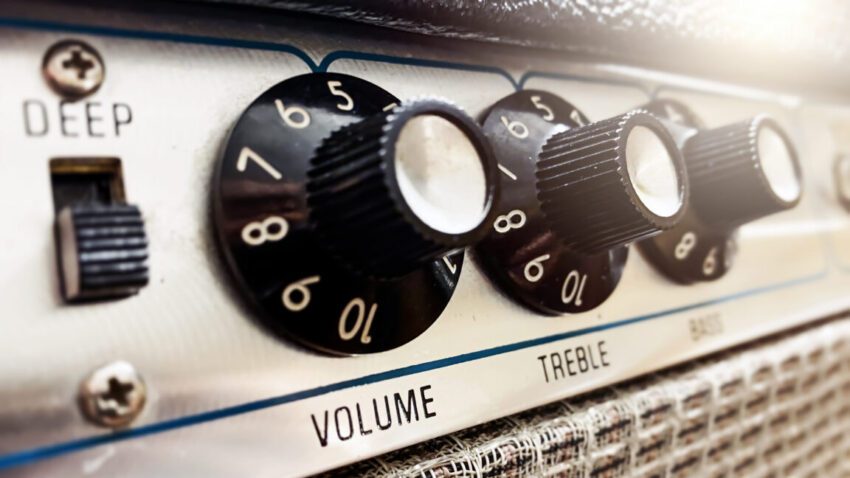
guitar amp sims have gotten astonishingly good Recent advancements in guitar amp simulators have made them remarkably effective, allowing musicians to achieve high-quality sound without the need for expensive physical equipment.
guitar amp sims have gotten astonishingly good
The Evolution of Amp Simulators
Guitar amp simulators have been a part of the music landscape for decades, but their evolution has accelerated significantly in recent years. Initially, these digital tools struggled to replicate the warmth and character of traditional tube amplifiers. However, advancements in digital signal processing (DSP) and machine learning have led to a new generation of simulators that can produce sounds nearly indistinguishable from their analog counterparts.
Historically, guitarists relied on physical amplifiers and pedals to shape their sound. The cost of high-quality gear often ran into the thousands of dollars, making it less accessible for hobbyists and emerging musicians. The introduction of amp simulators provided a more affordable alternative, but early versions often fell short in terms of sound quality and responsiveness. As technology has improved, so too has the fidelity of these digital models, leading to a significant shift in how musicians approach their gear.
Technological Advancements
Modern amp simulators leverage sophisticated algorithms and extensive modeling techniques to recreate the nuances of analog gear. For instance, companies like NeuralDSP and IK Multimedia have developed products that not only emulate the sound of specific amplifiers but also capture the unique characteristics of various speaker cabinets and microphones. This level of detail allows users to achieve a wide range of tones, from clean and crisp to heavily distorted.
One of the most notable advancements is the use of convolution reverb, which allows for realistic emulation of acoustic spaces. This technology enables guitarists to simulate the sound of playing in different environments, enhancing the overall experience. Additionally, many simulators now include built-in effects like reverb, delay, and modulation, providing musicians with a comprehensive toolkit for sound design.
Industry Adoption
The growing acceptance of amp simulators among professional musicians marks a significant turning point in the industry. Iconic guitarists such as John Mayer have begun to embrace digital models, often opting for them over traditional tube amps. Mayer’s willingness to experiment with these technologies underscores a broader trend within the music community, where the stigma surrounding digital gear is rapidly dissipating.
As more artists adopt amp simulators, the technology is gaining credibility. This shift is not just about convenience; it reflects a changing mindset regarding sound quality and performance. Many musicians now recognize that digital tools can offer unparalleled flexibility and portability, making them ideal for both studio recordings and live performances.
Case Study: Polychrome DSP
In this evolving landscape, developers like Polychrome DSP are making significant contributions. Their recent offerings, Nunchuck and Lumos, exemplify the quality and versatility that modern amp simulators can provide. Nunchuck focuses on emulating classic Marshall amps, while Lumos targets clean to mid-gain tones, catering to a wide range of musical styles.
Both products have received positive feedback from users, highlighting their realistic sound and intuitive interfaces. The ability to achieve professional-quality tones without the financial burden of physical gear is a game-changer for many guitarists. As a user who has explored various amp and effects suites, I can attest to the satisfaction that comes from using these tools. The sound quality is impressive, and the convenience of having multiple amp models at one’s fingertips cannot be overstated.
The Appeal of Digital Gear
For many guitarists, the appeal of amp simulators lies in their practicality. The cost of high-end gear can be prohibitive, especially for those just starting or for musicians who may not have the budget for a full rig. Digital simulators provide an accessible entry point, allowing users to experiment with different sounds without the financial risk associated with purchasing physical equipment.
Moreover, the portability of amp simulators is a significant advantage. Musicians can easily transport their entire setup on a laptop or tablet, making it convenient for practice sessions, jam sessions, or live performances. This flexibility is particularly appealing in an era where many artists are performing remotely or in non-traditional venues.
Community and Collaboration
The rise of amp simulators has also fostered a sense of community among musicians. Online forums and social media platforms have become hubs for sharing tips, presets, and experiences related to digital gear. Guitarists can collaborate and learn from one another, further enhancing their skills and understanding of sound design.
Additionally, many developers actively engage with their user base, seeking feedback and incorporating suggestions into future updates. This collaborative approach not only improves the products but also strengthens the bond between musicians and the technology they use.
Challenges and Considerations
Despite the many advantages of amp simulators, there are challenges that users may encounter. One common concern is the potential for digital gear to lack the tactile experience of physical equipment. Many guitarists enjoy the hands-on nature of adjusting knobs and switches, which can be harder to replicate in a digital environment.
Furthermore, while modern simulators have come a long way in terms of sound quality, some purists argue that nothing can truly replicate the feel of a tube amp. The dynamic response and warmth of analog gear are often cited as qualities that digital models struggle to fully capture. However, as technology continues to advance, these concerns may become less relevant.
Future Implications
The future of amp simulators looks promising, with ongoing innovations likely to further bridge the gap between digital and analog sound. As machine learning and artificial intelligence continue to evolve, we can expect even more sophisticated modeling techniques that may one day render the differences between analog and digital indistinguishable.
Moreover, the increasing integration of amp simulators with other digital audio workstations (DAWs) and music production software will likely enhance their usability. This integration can streamline the creative process, allowing musicians to focus more on their artistry rather than the technical aspects of sound production.
Conclusion
In conclusion, the advancements in guitar amp simulators have transformed the landscape for musicians, providing high-quality sound without the need for expensive gear. As industry adoption grows and technology continues to improve, these digital tools are becoming indispensable for both amateur and professional guitarists alike. The ability to achieve professional-grade tones at a fraction of the cost is a significant development that will likely shape the future of music production and performance.
Source: Original report
Was this helpful?
Explore more: Software Development More Software Development Tech News
Last Modified: December 3, 2025 at 6:35 pm
13 views














