trump turns the whcd shooting into a In a striking turn of events, President Donald Trump leveraged a recent assassination attempt at the White House Correspondents Dinner (WHCD) to advocate for his proposed renovations to the White House ballroom.
trump turns the whcd shooting into a
Incident Overview
On April 25, 2026, an armed gunman attempted to breach the venue of the WHCD, where numerous high-profile government officials and journalists were gathered. The incident prompted an immediate evacuation of attendees, including President Trump and several cabinet members. This alarming event raised significant security concerns, highlighting vulnerabilities at venues hosting such prominent gatherings.
Details of the Attempt
According to reports, the gunman approached the Washington Hilton, the traditional site of the WHCD, during the event. Security personnel acted swiftly, preventing the individual from entering the venue. While no injuries were reported, the incident sent shockwaves through the political and media communities, prompting discussions about the safety of public events attended by influential figures.
Trump’s Response
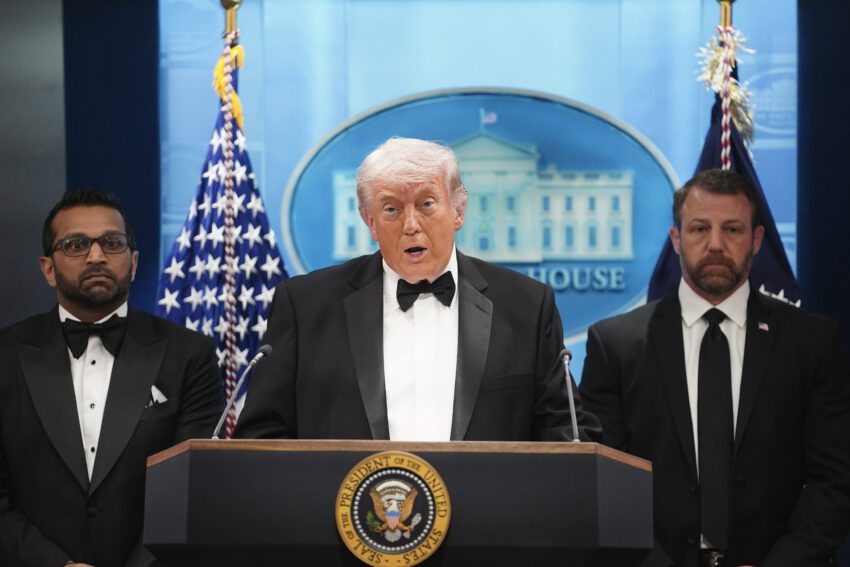
In a press conference held just hours after the incident, President Trump addressed the media alongside FBI Director Kash Patel and Secretary of Homeland Security Markwayne Mullin. During this briefing, Trump expressed his concerns regarding the security of the Washington Hilton, stating, “It’s not a particularly secure building.” He emphasized the need for enhanced security measures, which he argued could be achieved through the proposed renovations to the White House ballroom.
Advocating for the Ballroom Project
Trump’s remarks were not merely a reaction to the day’s events but also a strategic pivot to bolster support for his ongoing initiative to upgrade the White House ballroom. He asserted that the ballroom would provide a more secure environment for hosting events, thereby mitigating risks associated with large gatherings of influential individuals.
“I didn’t want to say this, but this is why we have to have all of the attributes of what we’re planning at the White House,” Trump stated, linking the incident to his broader vision for the venue. His comments underscored a recurring theme in his administration: the use of crises to advocate for policy changes or projects that align with his agenda.
Context of the Ballroom Project
The proposal to renovate the White House ballroom has been a topic of discussion since the beginning of Trump’s presidency. The ballroom, a historic venue for state dinners and significant events, has not undergone substantial renovations in decades. Trump has often cited the need for modernization and enhanced security features as justification for the project.
Security Concerns in Public Venues
The incident at the WHCD has reignited discussions about security protocols at public events, particularly those attended by government officials and media representatives. The Washington Hilton, while a popular venue, has faced scrutiny over its security measures in light of the recent attempt. Experts in security and event management have pointed out that venues hosting high-profile events must adopt stringent security protocols to ensure the safety of attendees.
In the wake of the incident, many are questioning whether existing security measures are adequate. The potential for similar incidents at other public gatherings has raised alarms among security professionals, prompting calls for a reevaluation of safety protocols across the board.
Reactions from Stakeholders
The response to Trump’s comments has been mixed, with various stakeholders expressing their views on the incident and the subsequent discussion about the ballroom project. Some supporters of the president have praised his proactive approach to security, viewing his remarks as a necessary response to a serious threat. They argue that enhancing security at the White House is a prudent measure that aligns with the administration’s broader focus on national safety.
Criticism from Opponents
Conversely, critics have accused Trump of politicizing a serious incident for personal gain. They argue that using the assassination attempt as a platform to promote his ballroom project is inappropriate and detracts from the gravity of the situation. Some have pointed out that the focus should be on addressing the underlying issues of gun violence and security, rather than leveraging the event for political purposes.
“This is a tragic incident that should prompt serious discussions about public safety, not a sales pitch for a renovation project,” remarked a spokesperson for a prominent advocacy group focused on gun control. This sentiment echoes a broader concern among critics who believe that the administration’s focus on security enhancements may overshadow the need for comprehensive policy changes addressing gun violence.
Implications for Future Events
The WHCD incident has far-reaching implications for future public events, particularly those involving high-profile attendees. As security concerns mount, event organizers may need to reassess their security protocols to ensure the safety of all participants. This could lead to increased costs and logistical challenges for venues and organizers alike.
Potential Changes in Security Protocols
In light of the recent attempt, it is likely that venues hosting significant events will implement more rigorous security measures. These may include:
- Enhanced screening processes for attendees
- Increased presence of law enforcement and security personnel
- Collaboration with federal agencies to assess and improve security protocols
- Investment in advanced security technologies, such as surveillance systems and metal detectors
Such measures, while potentially effective, could also lead to a more cumbersome experience for attendees. The balance between ensuring safety and maintaining a welcoming atmosphere will be a critical consideration for event organizers moving forward.
Conclusion
The assassination attempt at the White House Correspondents Dinner has sparked a complex dialogue about security, public safety, and the politicization of tragic events. President Trump’s use of the incident to advocate for his ballroom project reflects a broader trend in his administration, where crises are often reframed to support policy initiatives. As stakeholders navigate the implications of this incident, the focus will likely remain on enhancing security measures while addressing the underlying issues that contribute to such acts of violence.
Source: Original report
Was this helpful?
Explore more: More General Technology Tech News Blog
Last Modified: April 27, 2026 at 8:37 am
12 views