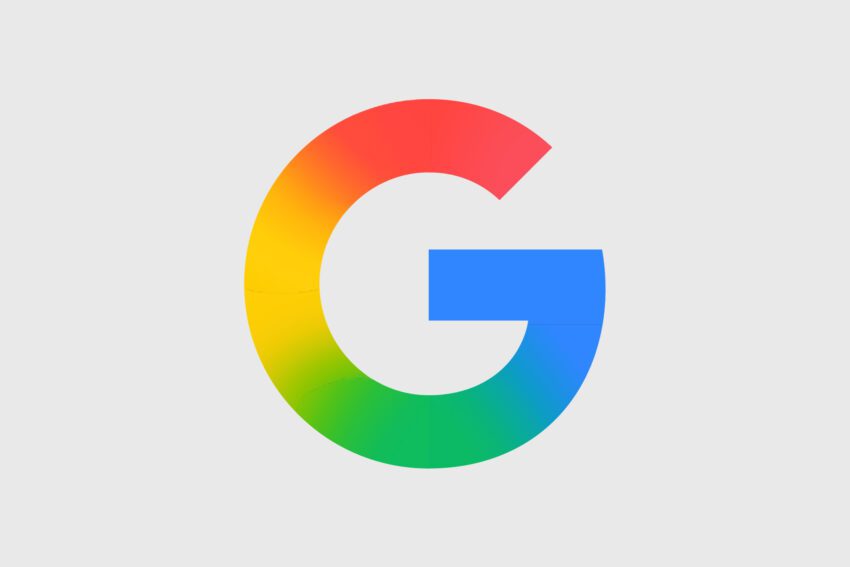
google s new gradient icon design is Google is expanding its new gradient icon design across more of its applications, moving away from the traditional uniform circle that has characterized its branding for years.
google s new gradient icon design is
Introduction of Gradient Icons
In late 2025, Google began the rollout of a fresh icon design featuring a gradient style, marking a significant shift in its visual identity. This new design approach is now set to be implemented across a broader range of Google applications, as reported by 9to5Google. The transition from the previous uniform circle design, which attempted to incorporate every color of the Google logo, reflects a strategic move towards a more modern and visually appealing aesthetic.
Visual Characteristics of the New Icons
The new icons are characterized by softer looks and rounder corners, presenting a more inviting and contemporary appearance. The gradients transition smoothly from almost pastel shades to the more saturated primary colors associated with Google. This design choice not only enhances the visual appeal but also aligns with current design trends that favor subtlety and depth over flat, uniform colors.
Current Applications Featuring the New Design
As of now, several applications have already adopted this new design language. Notable examples include:
- Google G Logo: The updated Google G logo has embraced the gradient style, serving as a flagship representation of the brand’s new visual identity.
- Gemini: This application has also received a makeover, showcasing the gradient icons that signify a shift towards a more sophisticated design.
- Google Photos: The popular photo management app has integrated the new icons, enhancing user experience through visually appealing design.
- Google Maps: The navigation app has adopted the gradient icons, contributing to a more cohesive look across Google’s suite of applications.
Implications of the New Design
The introduction of gradient icons is not merely a cosmetic change; it carries deeper implications for how users interact with Google’s ecosystem. The shift to a more visually engaging design can enhance user experience by making applications feel more intuitive and accessible. The softer aesthetics may also contribute to a more inviting atmosphere, encouraging users to engage more deeply with the applications.
AI-Powered Features and Design Language
According to 9to5Google, the new design language is indicative of the presence of AI-powered features within these applications. As Google continues to integrate artificial intelligence into its products, the visual representation of these features through updated icons may help users recognize and appreciate the advanced capabilities being offered. This alignment of design and functionality could serve to demystify AI for users, making it feel more approachable and integrated into their daily tasks.
Stakeholder Reactions
The response to the new gradient icons has been mixed among stakeholders. Some users have expressed enthusiasm for the updated look, appreciating the modern aesthetic and the fresh take on a familiar brand. Others, however, have raised concerns about the departure from the classic design, which has been a staple of Google’s identity for years.
Design experts have noted that while the new icons may resonate well with younger audiences and those who favor contemporary design trends, they could alienate long-time users who have grown accustomed to the traditional Google branding. This dichotomy highlights the challenges that companies face when evolving their visual identities—striking a balance between innovation and brand loyalty is crucial.
Context of Design Evolution
The evolution of Google’s icon design is part of a broader trend in the tech industry, where companies are increasingly adopting gradient designs and softer aesthetics. This shift can be traced back to a general movement towards minimalism and user-centric design, where the focus is on creating an engaging and intuitive user experience. Companies like Apple and Microsoft have also embraced similar design principles, indicating a collective industry shift.
Historical Perspective on Google’s Branding
Google’s branding has undergone several transformations since its inception. The original logo, characterized by a simple, flat design, has evolved through various iterations, each reflecting changing design philosophies and user expectations. The introduction of gradients aligns with a more recent trend in branding, where companies seek to create a more dynamic and engaging visual identity.
In the past, Google’s branding was often criticized for being overly simplistic and lacking depth. The new gradient icons address this concern by introducing a layer of complexity and visual interest. This evolution not only enhances the aesthetic appeal but also aligns with the expectations of modern users who are accustomed to rich, immersive digital experiences.
Future of Google’s Design Language
As Google continues to roll out its new gradient icon design across more applications, it raises questions about the future of its design language. Will this trend continue to evolve, or will Google revert to its more traditional branding as user feedback is collected? The company has a history of adapting its design based on user preferences, and this latest change may be no different.
Potential for Further Integration of AI
Looking ahead, the integration of AI features into Google’s applications is likely to expand, and the new design language may play a crucial role in how these features are perceived by users. As AI becomes more prevalent in everyday applications, the visual representation of these capabilities will be essential in fostering user trust and understanding.
By aligning the design of its icons with the functionality of AI, Google may be able to create a more cohesive user experience that emphasizes the benefits of these advanced technologies. This could lead to increased adoption of AI features among users who may have previously been hesitant to engage with them.
Conclusion
Google’s transition to a gradient icon design marks a significant step in its branding evolution, reflecting broader trends in the tech industry and user preferences. While the new design has garnered mixed reactions, it represents an effort to modernize the visual identity of Google’s applications and enhance user experience. As the rollout continues, the implications for user interaction, brand perception, and the integration of AI features will be closely monitored by stakeholders and industry observers alike.
Source: Original report
Was this helpful?
Explore more: More Big Tech & Platforms Tech News Blog
Last Modified: April 27, 2026 at 8:36 am
14 views