trump says tiktok should be tweaked to Donald Trump has proposed significant changes to TikTok, suggesting that the platform should be adjusted to reflect a “100% MAGA” (Make America Great Again) ethos, while simultaneously signing an executive order aimed at “saving” the app.
trump says tiktok should be tweaked to
Background on TikTok’s Ownership Controversy
TikTok, a popular social media platform known for its short-form videos, has faced scrutiny in the United States due to concerns over data privacy and national security. The app is owned by the Chinese company ByteDance, which has raised alarms among U.S. lawmakers about potential spying and foreign influence on American users. This scrutiny intensified during the Trump administration, leading to discussions about banning the app or requiring it to be sold to a U.S. company.
In 2020, Trump attempted to force a sale of TikTok’s U.S. operations to an American company, citing national security concerns. However, legal battles ensued, and the proposed ban was never fully realized. The ongoing debate over TikTok’s ownership reflects broader tensions between the U.S. and China, particularly in the tech sector.
Trump’s Recent Remarks and Executive Order
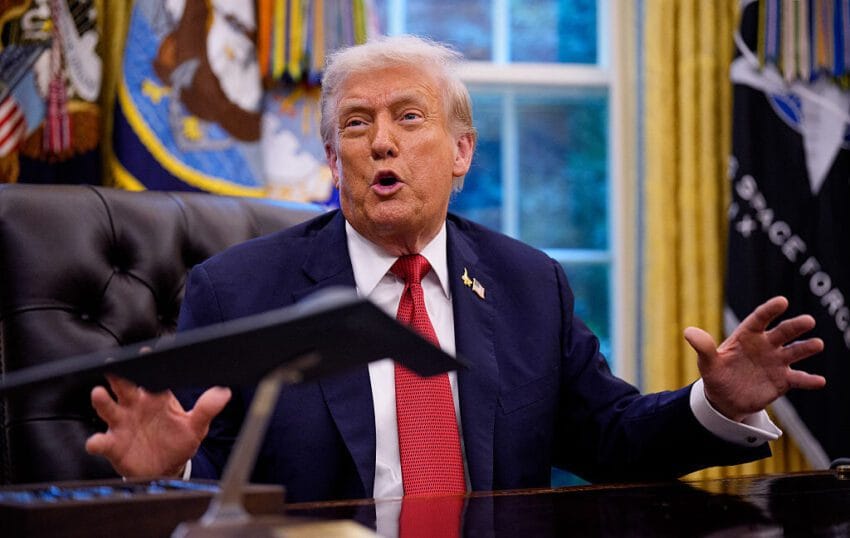
Recently, Trump made headlines again by signing an executive order aimed at “saving” TikTok, a move that has raised eyebrows among critics and supporters alike. During a conversation with Fox News, Trump suggested that the app’s algorithm should be altered to ensure that content is aligned with his political views, stating that he would like to see it become “100% MAGA.” This statement was made in a context that some interpreted as a joke, yet it underscores a serious concern regarding potential bias in social media platforms.
Implications of Algorithm Tweaks
The idea of tweaking TikTok’s algorithm to favor right-wing content has sparked a debate about free speech and the role of social media in shaping public discourse. Critics argue that such changes could lead to censorship of diverse viewpoints, echoing concerns raised by comedians and other public figures about Trump’s broader attacks on free speech.
Trump’s assertion that “everyone is going to be treated fairly” appears to be an attempt to mitigate backlash against the proposed changes. However, the reality is that algorithmic adjustments can inherently favor certain types of content over others, raising questions about the fairness of such a system. This situation mirrors the transformations seen in other social media platforms, particularly Twitter, which has undergone significant changes since Elon Musk’s acquisition and rebranding as X.
Potential Investors and Stakeholder Reactions
In his remarks, Trump indicated that media mogul Rupert Murdoch and his son Lachlan, the CEO of Fox Corporation, would likely be part of the investor group taking over TikTok’s U.S. operations. This potential partnership raises additional questions about the motivations behind the acquisition and the implications for content moderation on the platform.
Murdoch’s influence in the media landscape is substantial, and his involvement could lead to a shift in the type of content that is promoted on TikTok. Critics worry that this could result in a right-wing bias similar to what some perceive has happened with Fox News. The prospect of a media conglomerate controlling a major social media platform could have far-reaching implications for how information is disseminated and consumed in the digital age.
Legal and Regulatory Considerations
Trump’s executive order and the proposed acquisition of TikTok’s U.S. operations are not without legal and regulatory hurdles. The deal, which Trump claims has been tentatively approved by Chinese President Xi Jinping, must still navigate complex international trade laws and regulations. The U.S. government has previously expressed concerns about foreign ownership of technology companies, particularly those that handle sensitive user data.
The proposed acquisition aims to ensure compliance with a law banning majority ownership of the app by foreign adversaries. This move is intended to protect Americans from potential spying or foreign influence on the algorithm. However, the effectiveness of such measures remains to be seen, as the intricacies of data privacy and security are continually evolving.
Comparisons to Other Social Media Platforms
The discussions surrounding TikTok’s potential transformation under Trump’s influence invite comparisons to other social media platforms that have undergone significant changes in ownership and content moderation policies. Twitter, now rebranded as X under Elon Musk, has seen a shift in its approach to content moderation, with many users expressing concerns about the platform’s direction.
Since Musk’s acquisition, there have been reports of increased hate speech and misinformation on Twitter, leading to a backlash from various user groups and advocacy organizations. The fear is that TikTok could follow a similar trajectory if it were to adopt a more partisan approach to content curation.
Public and Political Reactions
The public and political reactions to Trump’s comments and the proposed changes to TikTok have been mixed. Supporters of Trump may view the potential algorithm tweaks as a positive step toward promoting conservative viewpoints, while critics argue that such changes could undermine the platform’s integrity and alienate users who do not align with MAGA ideology.
Moreover, free speech advocates have raised alarms about the implications of government intervention in social media platforms. The concern is that if TikTok were to become a tool for promoting a specific political agenda, it could set a dangerous precedent for other platforms and further polarize public discourse.
Conclusion: The Future of TikTok and Political Influence
As discussions about TikTok’s future continue, the implications of Trump’s proposed changes remain uncertain. The potential involvement of Rupert Murdoch and his media empire raises questions about the balance of power in the digital landscape and the role of social media in shaping political narratives.
Ultimately, the outcome of this situation will depend on various factors, including regulatory approvals, public sentiment, and the evolving landscape of social media. The ongoing debate about TikTok’s ownership and content moderation reflects broader societal concerns about free speech, political bias, and the influence of technology on democracy.
Source: Original report
Was this helpful?
Last Modified: September 26, 2025 at 10:36 pm
1 views