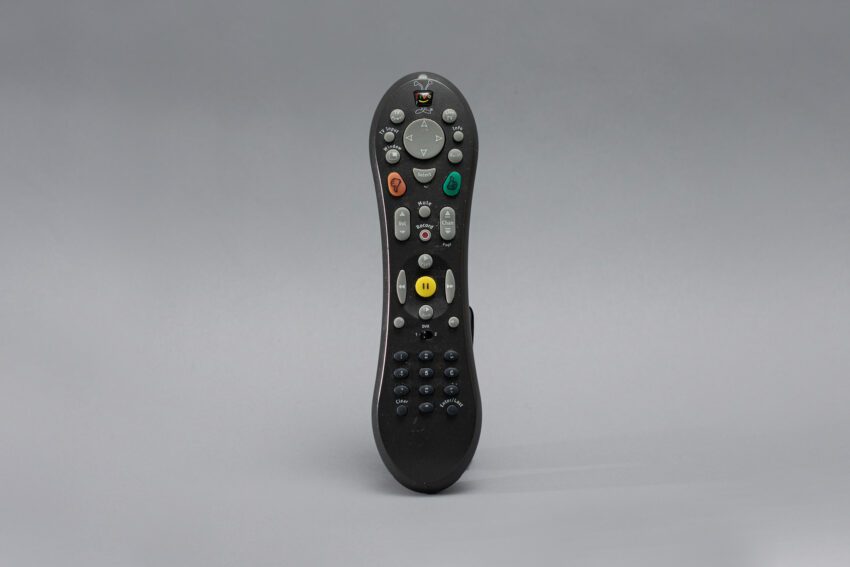
how tivo killed live tv TiVo revolutionized the way viewers interacted with television, but its rise and fall illustrate the complexities of innovation in a rapidly evolving media landscape.
how tivo killed live tv
The Rise of TiVo
In the late 1990s, TiVo emerged as a groundbreaking technology that transformed the television viewing experience. The device allowed users to pause live TV, rewind shows, and schedule recordings with unprecedented ease. This innovation quickly captured the public’s imagination, making TiVo a household name and a cultural phenomenon. It was not uncommon to see TiVo featured in popular television shows or endorsed by celebrities, which helped solidify its status as a must-have gadget.
Innovative Features
TiVo’s appeal lay in its innovative features that catered to the evolving needs of viewers. The ability to pause live television was a game-changer; it allowed users to manage their viewing experience without the constraints of traditional broadcast schedules. Furthermore, the device’s intuitive interface made it easy for users to navigate through their recorded content, making binge-watching a reality long before streaming services popularized the concept.
Another significant feature was the season pass, which enabled users to automatically record every episode of a series. This feature resonated with viewers who wanted to keep up with their favorite shows without the hassle of manual recording. TiVo also introduced the concept of “thumbs up” and “thumbs down” ratings, which helped the device learn user preferences and recommend content accordingly. This level of personalization was revolutionary at the time and contributed to TiVo’s initial success.
The Cultural Impact
TiVo’s influence extended beyond its technological innovations; it became a cultural touchstone in the early 2000s. The term “TiVo” even entered the lexicon as a verb, synonymous with recording shows for later viewing. This cultural penetration was bolstered by appearances in popular media, where characters often used TiVo to manage their viewing habits. The device became a symbol of convenience and control in an era when viewers were increasingly frustrated with traditional television schedules.
Celebrity Endorsements
TiVo attracted a host of celebrity fans, further enhancing its image as a trendy and desirable product. High-profile endorsements from actors, directors, and other industry figures helped solidify its status as a must-have device. These endorsements not only increased brand visibility but also created a sense of community among users who felt they were part of an exclusive club of tech-savvy television enthusiasts.
The Business Challenges
Despite its initial success, TiVo faced significant challenges in converting its innovative concept into a sustainable business model. The company struggled to maintain its market share as competitors began to emerge. Cable companies and satellite providers started to offer their own digital video recorders (DVRs), often bundled with service packages, which made it difficult for TiVo to compete on price and accessibility.
Market Competition
As the market for DVRs expanded, TiVo found itself in a precarious position. While it had pioneered the technology, it was unable to capitalize on its first-mover advantage. The rise of competitors such as Comcast and DirecTV, which offered integrated DVR solutions, posed a significant threat. These companies could leverage their existing customer bases and infrastructure to provide similar functionalities at a lower cost, diminishing TiVo’s unique selling proposition.
Shifting Consumer Preferences
Additionally, consumer preferences began to shift as streaming services gained popularity. Platforms like Netflix, Hulu, and Amazon Prime Video offered on-demand content without the need for recording shows. This shift in viewing habits further eroded TiVo’s market position, as more viewers opted for streaming solutions that provided greater flexibility and a wider array of content.
The Transition to Streaming
As the television landscape evolved, TiVo attempted to adapt by incorporating streaming capabilities into its devices. The company introduced models that allowed users to access popular streaming services alongside traditional cable content. However, these efforts were met with mixed results. While some users appreciated the integration, many found the user interface clunky and less intuitive compared to dedicated streaming devices.
Challenges in Adaptation
TiVo’s attempts to pivot towards streaming were hampered by several factors. The company struggled to keep pace with the rapid advancements in streaming technology and user expectations. As competitors like Roku, Apple TV, and Amazon Fire TV emerged, TiVo’s offerings began to feel outdated. The lack of a cohesive strategy to integrate streaming and traditional viewing experiences left TiVo at a disadvantage in an increasingly competitive market.
The Legacy of TiVo
Today, TiVo’s legacy is a complex one. While it may no longer dominate the market, its impact on the television industry is undeniable. The features that TiVo introduced—such as time-shifting and personalized content recommendations—have become standard in modern viewing experiences. Many of the innovations pioneered by TiVo have been adopted by streaming services and cable providers alike, shaping the way audiences consume content.
Industry Influence
TiVo’s influence can be seen in the way that contemporary streaming platforms operate. The concept of binge-watching, which has become a cultural phenomenon, owes much to TiVo’s ability to record multiple episodes of a series. Additionally, the user-centric approach to content recommendations has been widely adopted across various platforms, enhancing the overall viewing experience for audiences.
Stakeholder Reactions
The reactions from stakeholders in the television industry regarding TiVo’s trajectory have been varied. Some industry experts view TiVo’s decline as a cautionary tale about the challenges of innovation in a rapidly changing market. Others see it as a testament to the importance of adaptability and the need for companies to evolve in response to consumer preferences.
Consumer Sentiment
Consumers who once embraced TiVo often express nostalgia for the device that changed their viewing habits. Many former users fondly recall the convenience and control that TiVo provided, even as they have transitioned to streaming services. This sentiment highlights the emotional connection that viewers can develop with technology that enhances their daily lives.
Conclusion
TiVo’s journey from a revolutionary product to a cautionary tale serves as a reminder of the complexities of innovation. While the company successfully introduced features that transformed the television landscape, it ultimately struggled to adapt to the rapidly changing market dynamics. The rise of streaming services and increased competition from traditional cable providers created challenges that TiVo could not overcome. Nevertheless, the legacy of TiVo endures, as its innovations continue to shape the way audiences engage with television content today.
Source: Original report
Was this helpful?
Explore more: More General Technology Tech News Blog
Last Modified: January 12, 2026 at 12:44 am
17 views